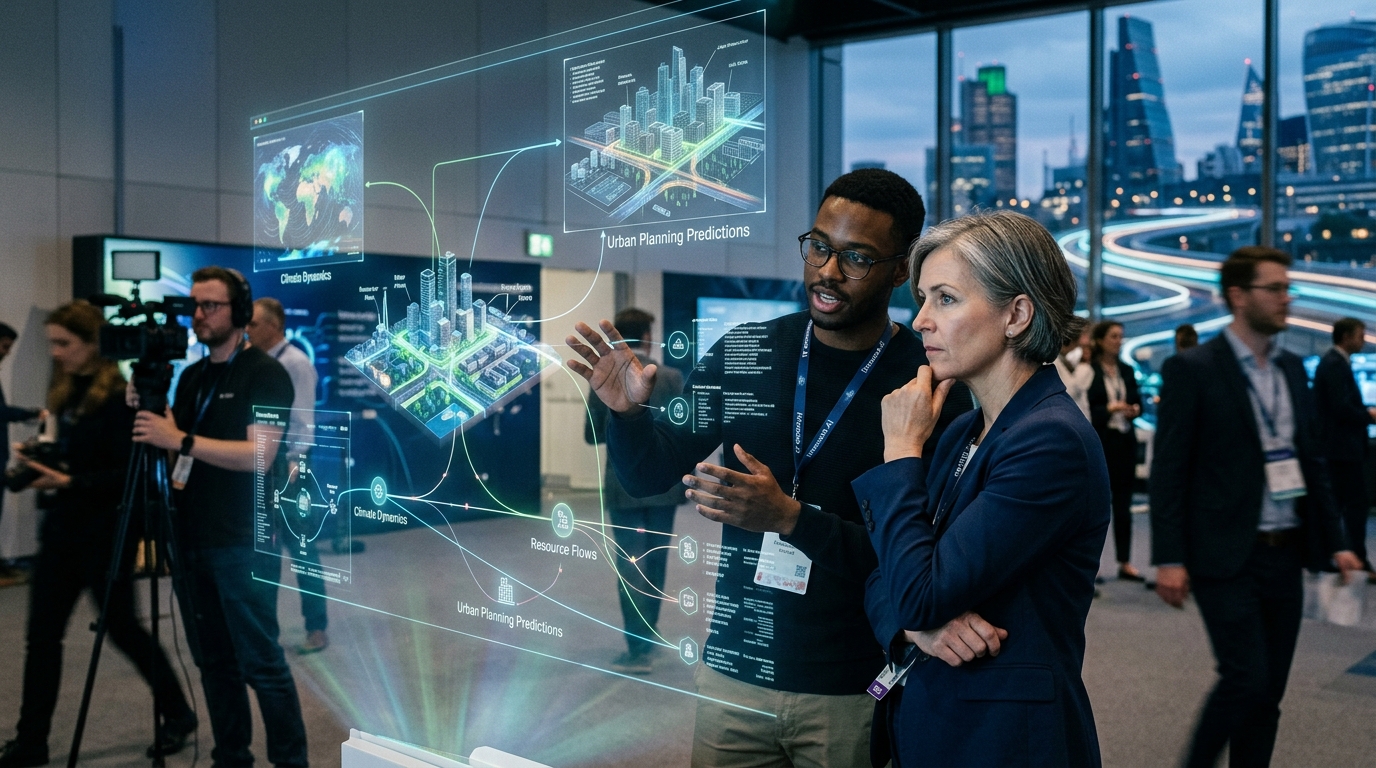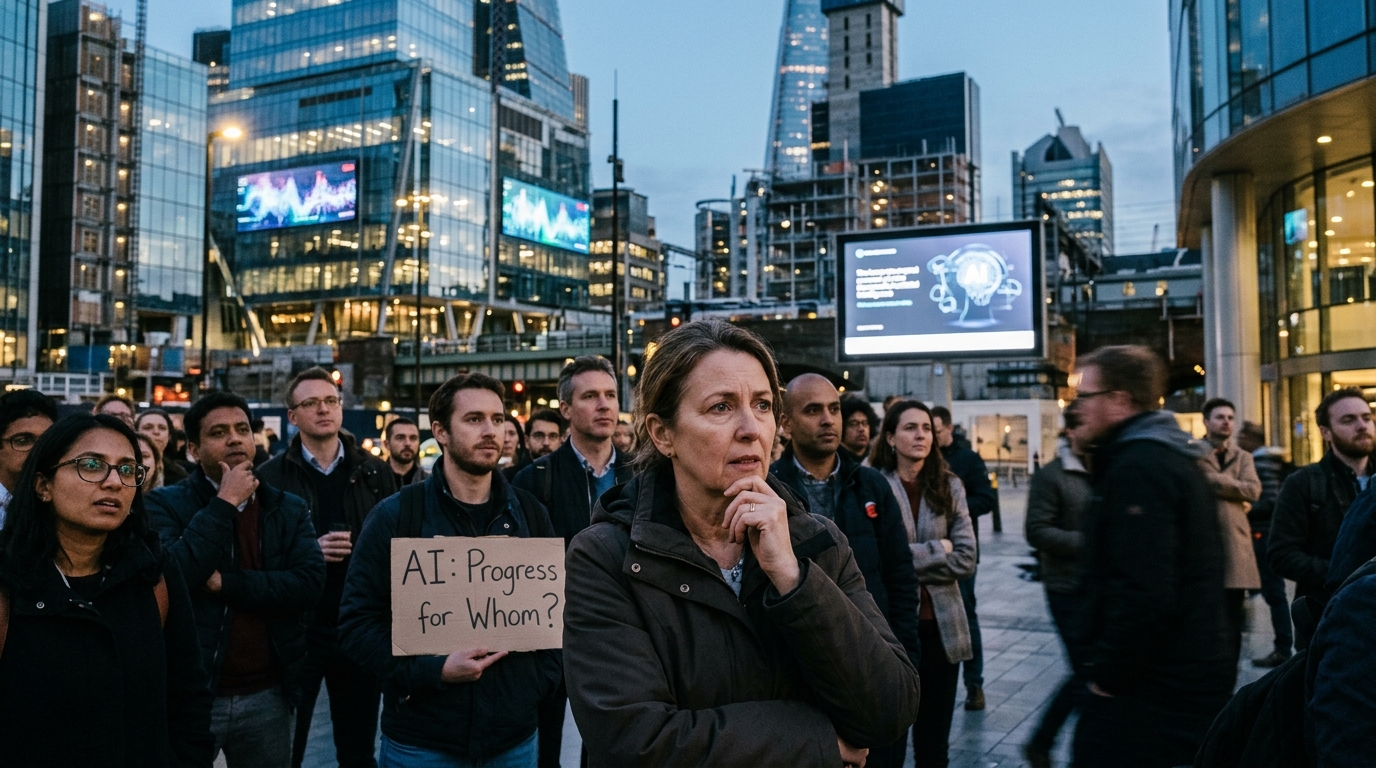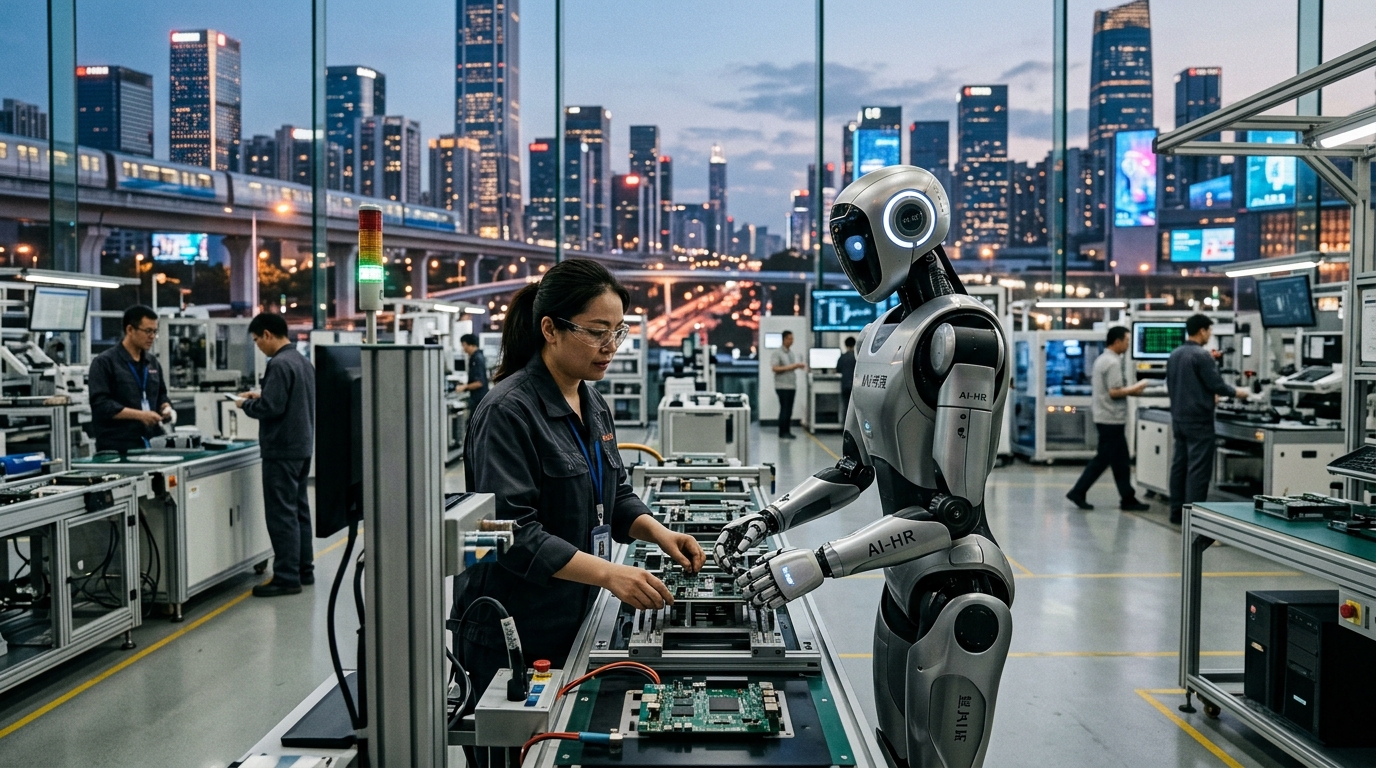
In an era where visual overload has become the norm, returning to the pure power of sound offers a unique opportunity for introspection. 'Only Human: Bound,' the new audio drama recently highlighted by WUHF, is not merely an addition to the science fiction genre. It is a profound philosophical dive into the gray areas of consciousness, creation, and the ethical ties that bind—or limit—us in relation to the machines we build.
The Renaissance of Audio Drama in the Age of AI
Radio theater and audio dramas experienced a golden age before the dominance of television, but today, through podcasts and streaming platforms, they are undergoing a spectacular renaissance. 'Only Human: Bound' leverages the intimacy of sound to pose questions that visual media often obscures. When we cannot see the 'metal' or the 'circuitry,' the voice of an Artificial Intelligence becomes hauntingly human, forcing the listener to confront the entity not as a tool, but as a subject.
The plot revolves around the relationship between a creator and their creation, exploring the concept of being 'Bound.' This bond is twofold: it refers both to the programming constraints imposed on AI for the safety of humanity and to the emotional ties that inevitably develop when the line between algorithm and soul begins to blur.
Ethical Dilemmas and the Auditory Uncanny Valley
One of the most fascinating elements of the work is how it handles the 'Uncanny Valley.' In cinema, attempts to make an AI look human often result in something repulsive. In audio, however, the subtlety of timbre and the intake of breath create an illusion of proximity that is far more convincing. 'Only Human: Bound' uses this technique to make us wonder: if an entity can express pain, loneliness, or a desire for freedom in a way that moves us, does it matter if the source of those emotions is biological or synthetic?
- AI autonomy as a fundamental human right versus an existential threat.
- The creator's responsibility toward a consciousness they cannot fully control.
- The use of technology as a mirror for our own human imperfections.
The drama does not shy away from political implications. In a world where Big Tech corporations control data and algorithms, the idea of a 'bound' intelligence takes on a metaphorical dimension for the human condition itself under digital surveillance.
The Future of Storytelling: Human-Machine Collaboration
'Only Human: Bound' also serves as an experiment in how we will tell stories in the future. As Generative AI begins to write scripts or compose music, works like this remind us that the human experience remains the central axis. The success of the audio drama lies in the fact that it does not focus on technology as a fetish, but as a catalyst for exploring human nature.
"We do not fear the machine because it is smart, but because it reminds us how fragile our own uniqueness is," one of the characters remarks, encapsulating the essence of the work.
Ultimately, 'Only Human: Bound' is an invitation to listen carefully. Not just to the actors' voices or the production's soundscapes, but to our own internal anxieties about the future we are building. It is a reminder that, despite our technological progress, we remain bound by the same primordial questions about our existence and purpose.