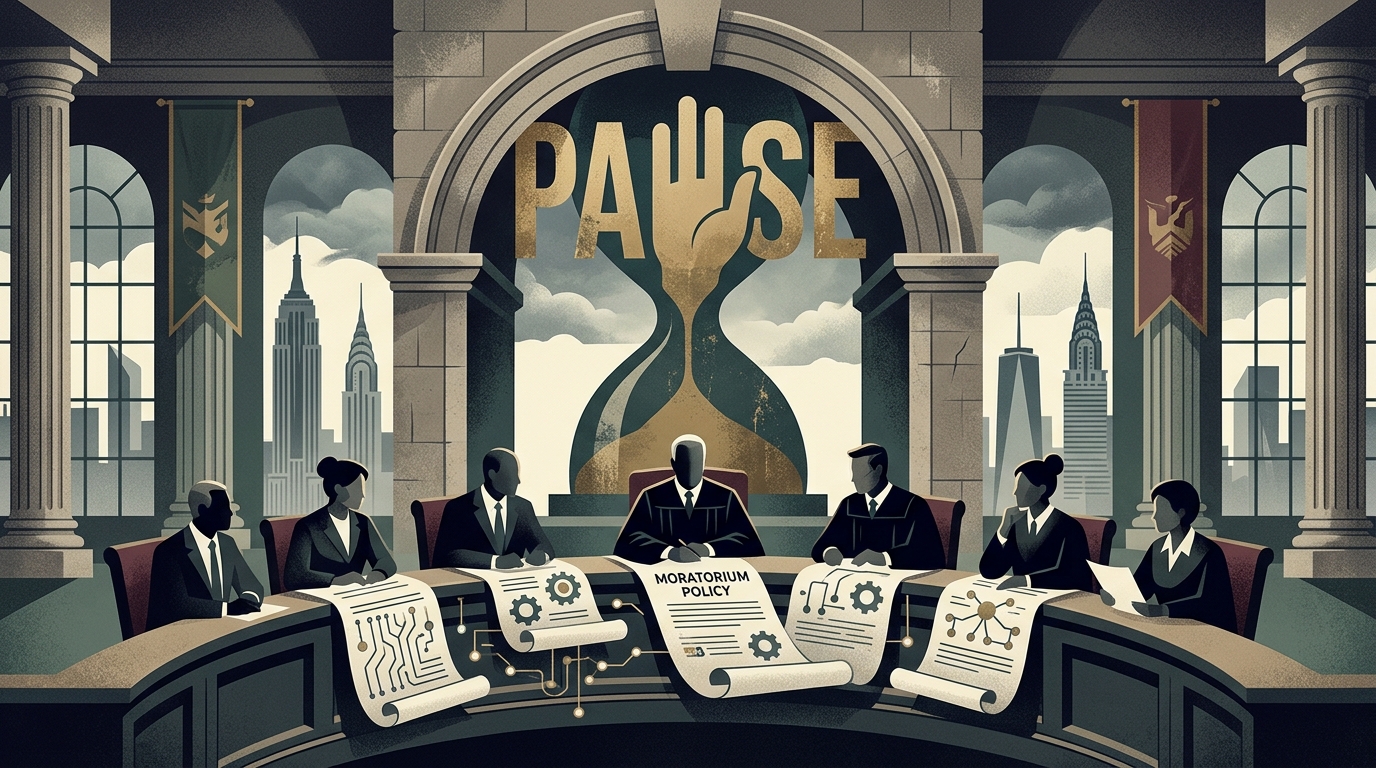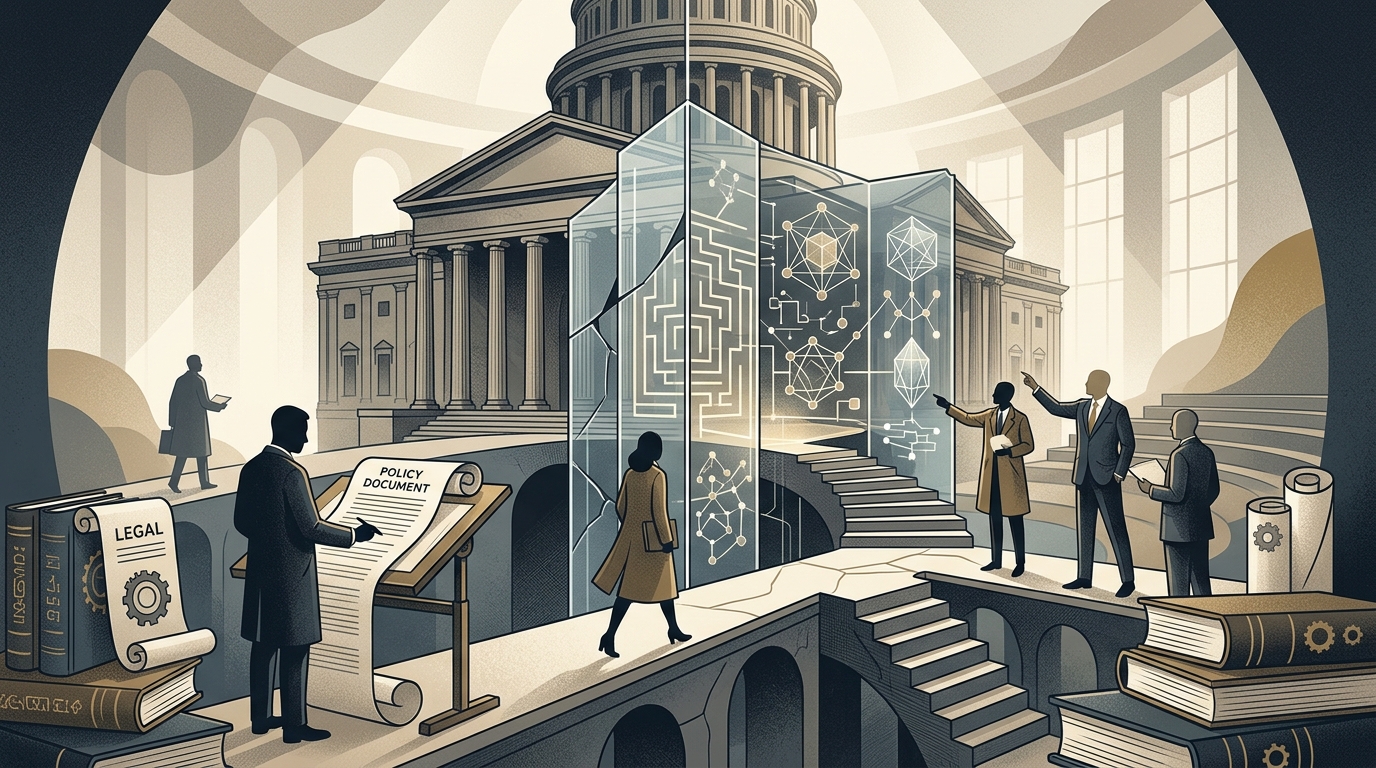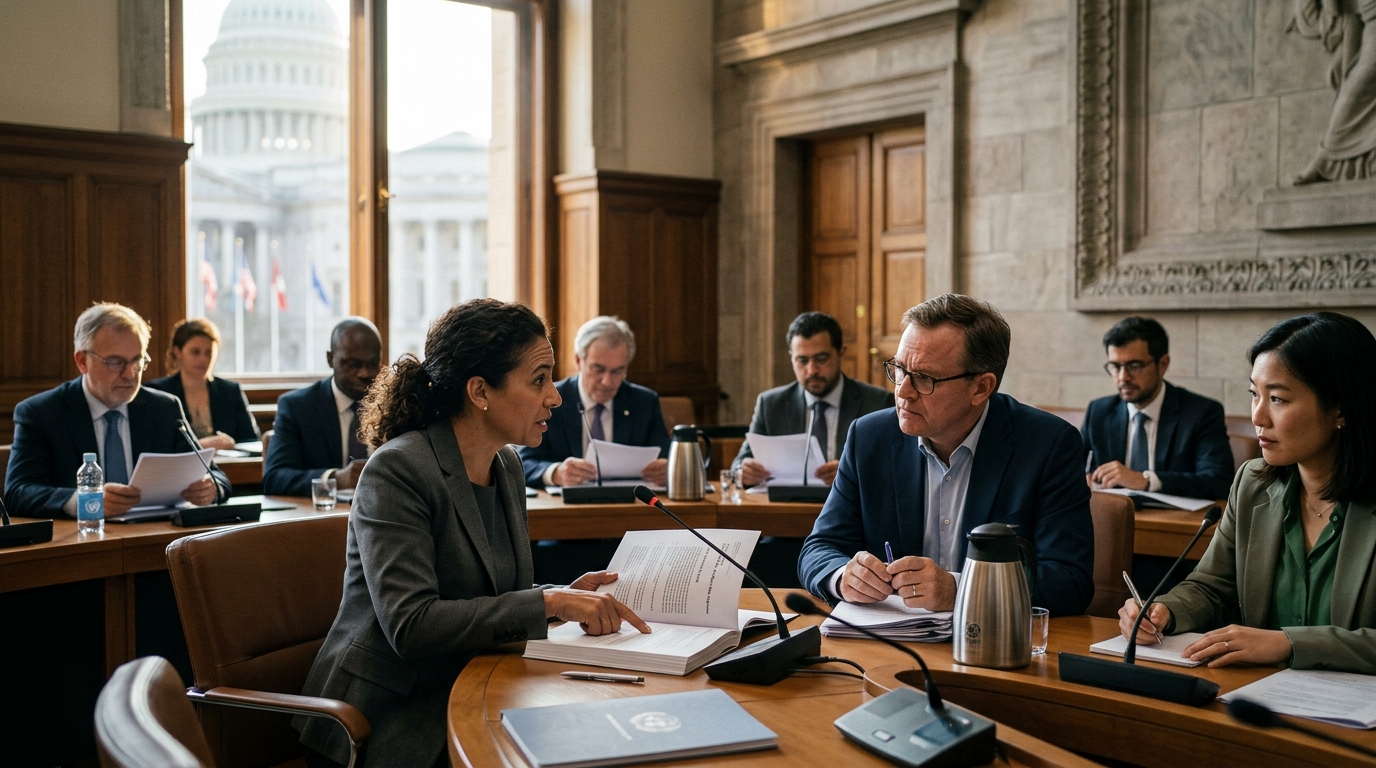
At a defining moment for humanity, the United Nations is accelerating its efforts to establish a global framework for Artificial Intelligence (AI) governance. A recent report from the organization warns with unprecedented urgency about the potential for ‘catastrophic harm’ if the development of autonomous systems continues without international oversight. As we move through July 2026, the conversation has shifted from theoretical concerns to the imperative need for institutional safeguards against risks involving biosecurity, cybersecurity, and social cohesion.
The Anatomy of Risk: What the UN Means by ‘Catastrophic Harm’
When UN officials refer to catastrophic harm, they are not invoking science fiction tropes, but tangible threats that technology makes possible today. The primary concern involves the use of AI in the creation of new biological agents. With the help of Large Language Models (LLMs) and specialized protein-folding tools, the ability to design pathogens is no longer restricted to state-run laboratories; it can now be accessed by malicious actors with minimal resources.
Furthermore, the report highlights the risk of ‘algorithmic destabilization’ of democratic processes. In a year where half the world’s population has participated in elections, the use of deepfakes and automated misinformation has reached levels that threaten the very concept of objective truth. The UN Secretary-General has repeatedly emphasized that the lack of transparency in how AI ‘black boxes’ operate makes it impossible to assign accountability in the event of an accident or deliberate misuse.
The Regulatory Gap and the Need for an ‘IPCC for AI’
One of the central proposals gaining traction in the halls of New York is the establishment of an international scientific body for AI, modeled after the Intergovernmental Panel on Climate Change (IPCC). This body would aim to provide objective, scientifically-backed reports on the state of technology and its risks, bridging the gap between tech giants and national governments.
- Scientific Consensus: Creating a shared knowledge base of what AI can and cannot do.
- Global Standards: Establishing common rules for safety and ethics to avoid a ‘race to the bottom.’
- Inclusivity: Ensuring that developing nations in the Global South are not left behind or used as testing grounds for dangerous technologies.
“We cannot leave the future of humanity in the hands of a few companies and a handful of states. Artificial Intelligence must be a global public good, accountable to all of humanity,” the UN leadership recently stated.
Geopolitical Tensions and the ‘Digital Iron Curtain’
Despite the consensus on the need for governance, implementation faces significant geopolitical hurdles. The rivalry between the US and China for AI supremacy creates a landscape of fragmentation. While the European Union has already implemented its AI Act, the two superpowers remain hesitant to commit to international treaties that might limit their military or economic leverage.
The fear is that the lack of a unified framework will lead to a ‘Digital Iron Curtain,’ where different blocs of countries use incompatible and potentially hostile AI systems. This scenario increases the risk of unintended escalation in cyberwarfare, as autonomous defense systems might misinterpret an adversary’s moves without human intervention.
Conclusion: The Hour for Action
The challenge for 2026 is turning declarations into deeds. The Global Digital Compact, expected to be finalized soon, represents perhaps the last opportunity to establish multilateral cooperation. History will judge whether our generation managed to harness the power of AI for the common good or allowed technological hubris to lead to an irreversible disaster. Governance is not a brake on innovation; it is the seatbelt in a vehicle moving at breakneck speed toward the unknown.