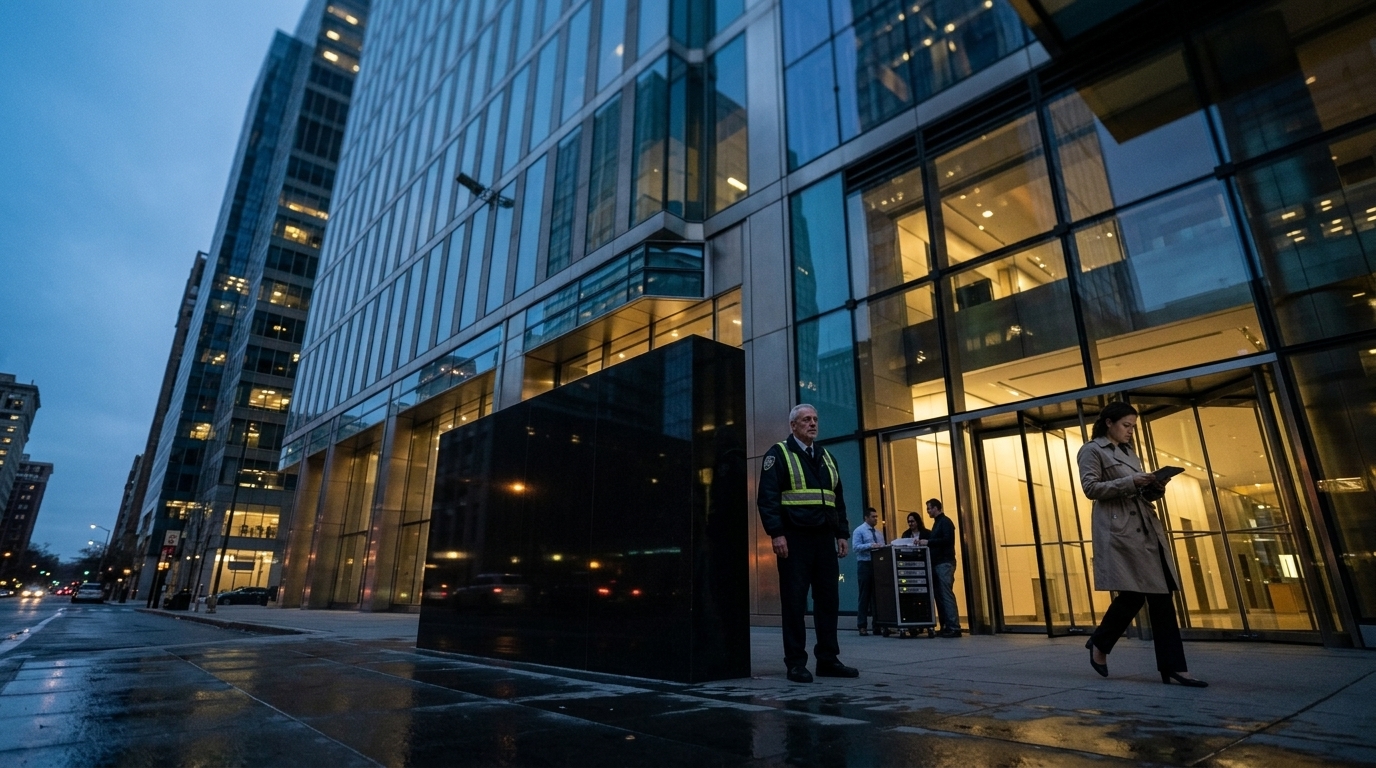
IBM has suffered the largest single-day stock market decline in its history, losing approximately $70 billion in market capitalization. This collapse followed the release of preliminary second-quarter 2026 results, which revealed a seismic shift in how global enterprises allocate their technology budgets.
A Decline Steeper Than Black Monday
The company's shares fell by roughly 25%, a performance worse than the losses recorded during the 1987 market crash. The root cause is not a tech slowdown, but a redirection of funds. IBM’s clients are scaling back on traditional software and consulting services to prioritize capital expenditures on servers, storage systems, and hardware essential for AI applications.
Financial Misses and Strategic Stumbles
Preliminary revenue for the quarter reached $17.2 billion, a mere 1% year-over-year increase, missing analyst expectations of $17.86 billion. Key segments showed mixed results:
- Software revenue grew by 5%.
- Consulting services remained essentially flat.
- Infrastructure revenue declined by 7%.
CEO Arvind Krishna admitted the company "stumbled" during the quarter, stating that management failed to anticipate the magnitude of capital spending reallocation toward AI infrastructure.
Industry-Wide Software Fears
IBM’s warning sent shockwaves through the tech sector, dragging down shares of Microsoft, Salesforce, and ServiceNow by 2% to 5%. Investors are increasingly concerned that the AI boom is cannibalizing traditional software budgets. As companies rush to secure chips and servers amid fears of supply shortages, traditional modernization projects and software licenses are being sidelined. This shift creates a clear divide: hardware and infrastructure providers like Nvidia and Micron are thriving, while legacy service providers struggle to keep pace with the transition.