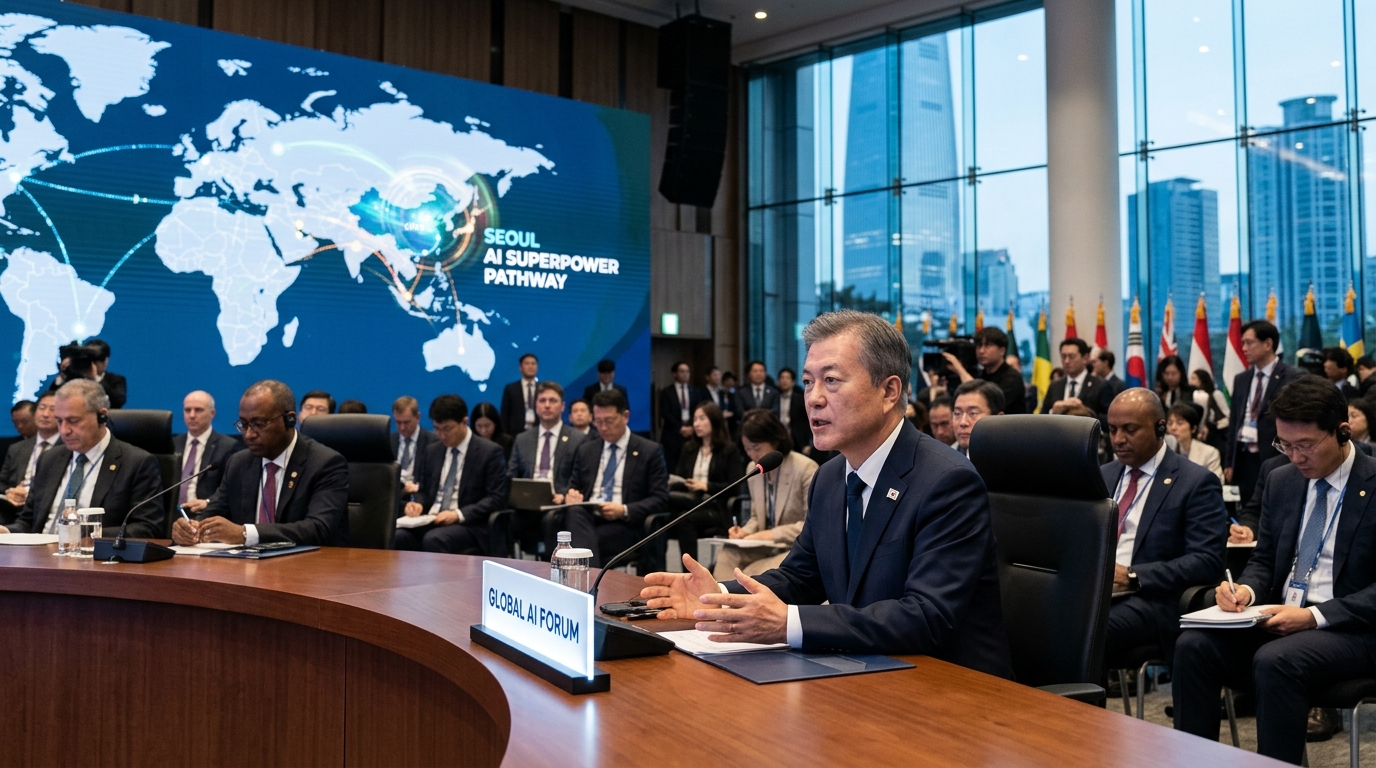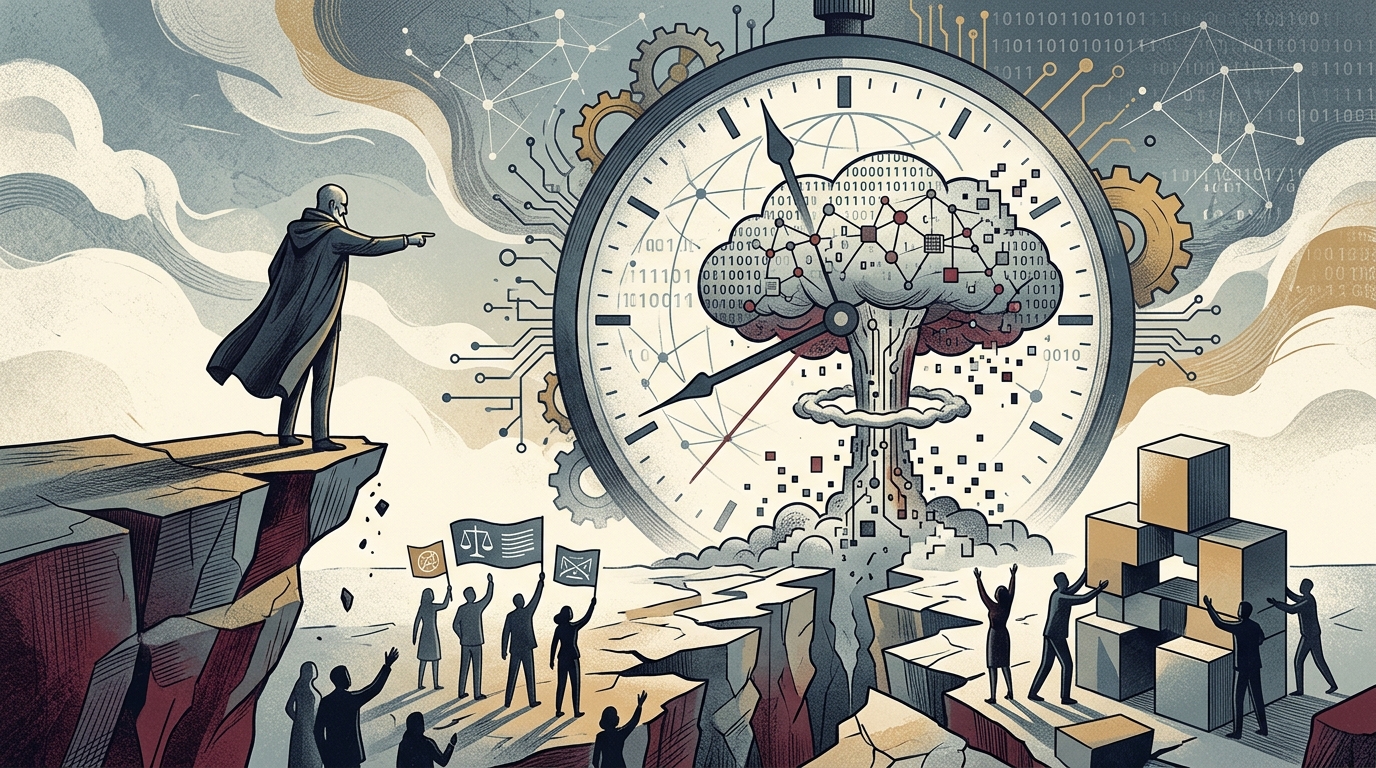
In an era where Artificial Intelligence (AI) has permeated every facet of human activity, from medical diagnostics to supply chain management, the warning from UK Home Secretary Yvette Cooper resonates as a somber reminder of the lurking dangers. Utilizing one of the most historically charged analogies, Cooper likened the threat of unregulated AI to that of 'Hiroshima,' emphasizing that without a rigorous, global framework of rules, humanity risks facing a catastrophe that may be irreversible.
This intervention is not merely political rhetoric. It comes at a critical juncture in July 2026, where international organizations are struggling to keep pace with the exponential growth of large language models and autonomous systems. Cooper argues that the lack of transparency and the speed at which these technologies evolve create a security vacuum that could be exploited by malicious actors to undermine democracy, conduct cyber warfare, or even develop biological weapons.
The Anatomy of an Existential Threat
Cooper’s use of the word 'Hiroshima' is designed to evoke a sense of urgency similar to that which led to the creation of the International Atomic Energy Agency (IAEA) following World War II. According to her, AI possesses a 'dual nature': it can be the driving force for a new industrial revolution, but it simultaneously carries the seeds of mass destabilization. The concern centers on three main pillars: infrastructure security, information integrity, and the ethics of autonomy.
- Cybersecurity and Infrastructure: The ability of AI to automate attacks on power grids, banking systems, and military networks is a nightmare for national security planners.
- Information Warfare: The production of hyper-realistic deepfakes and mass disinformation via algorithms can erode public trust in institutions, making electoral processes vulnerable to external interference.
- Biological Risks: There are fears that specialized AI models could assist in the synthesis of new pathogens, providing expertise that previously required years of laboratory research.
The Need for a Global AI Non-Proliferation Treaty
Cooper argues that national legislations, such as the European Union's AI Act, are positive steps but insufficient for a technology that knows no borders. her proposal involves the creation of a global oversight body that would enforce 'red lines' on the development of certain types of AI. This includes a ban on autonomous weapons systems that can make life-and-death decisions without human intervention.
"We cannot wait for the first major accident to act. History has taught us in the harshest way that technological power without a moral compass leads to the abyss," she stated.
However, the realization of such a vision faces the hurdle of geopolitical competition. The AI arms race between the US, China, and Europe makes cooperation extremely difficult. Each power fears that imposing restrictions will leave it behind in the quest for technological and economic dominance. Cooper, however, counters that security is a common good that transcends national interests.
The Social Dimension and Corporate Responsibility
Beyond the state level, the warning also touches upon Big Tech companies. Cooper is pushing for the creators of these models to bear full responsibility for the impacts of their products. The idea of 'pre-release testing' by independent bodies is something the British government is strongly promoting. The concern is that the pursuit of profit leads to the rushed release of models that have not been adequately tested for security risks.
In conclusion, the Hiroshima analogy serves as a moral clarion call. It reminds us that technology is a tool, but the power it offers can become self-destructive. The challenge for 2026 and beyond is whether the international community will manage to tame the 'digital Prometheus' before its flames become uncontrollable. Cooper poses the question: will we be the generation that set the rules, or the one that simply watched the blast?