In the rapidly evolving landscape of technology, the partnership between NVIDIA and Dell Technologies is more than just a strategic alliance; it is a harbinger of a new era in computing. Jensen Huang, the visionary leader of NVIDIA, and Michael Dell, the pioneer who democratized PC access, stand united on a pivotal thesis: the era of simple chatbots is drawing to a close. What lies ahead is the age of "Agentic AI."
The concept of Agentic AI transcends the generative AI phase we experienced with the advent of ChatGPT. While generative AI focuses on creating content—text, images, or code—upon request, agentic AI is defined by its ability to set goals, plan sequential steps, and utilize tools to achieve outcomes with minimal human intervention. It is a shift from "tell me how to do it" to "do it for me."
The Architecture of Autonomy: From Chatbots to Agents
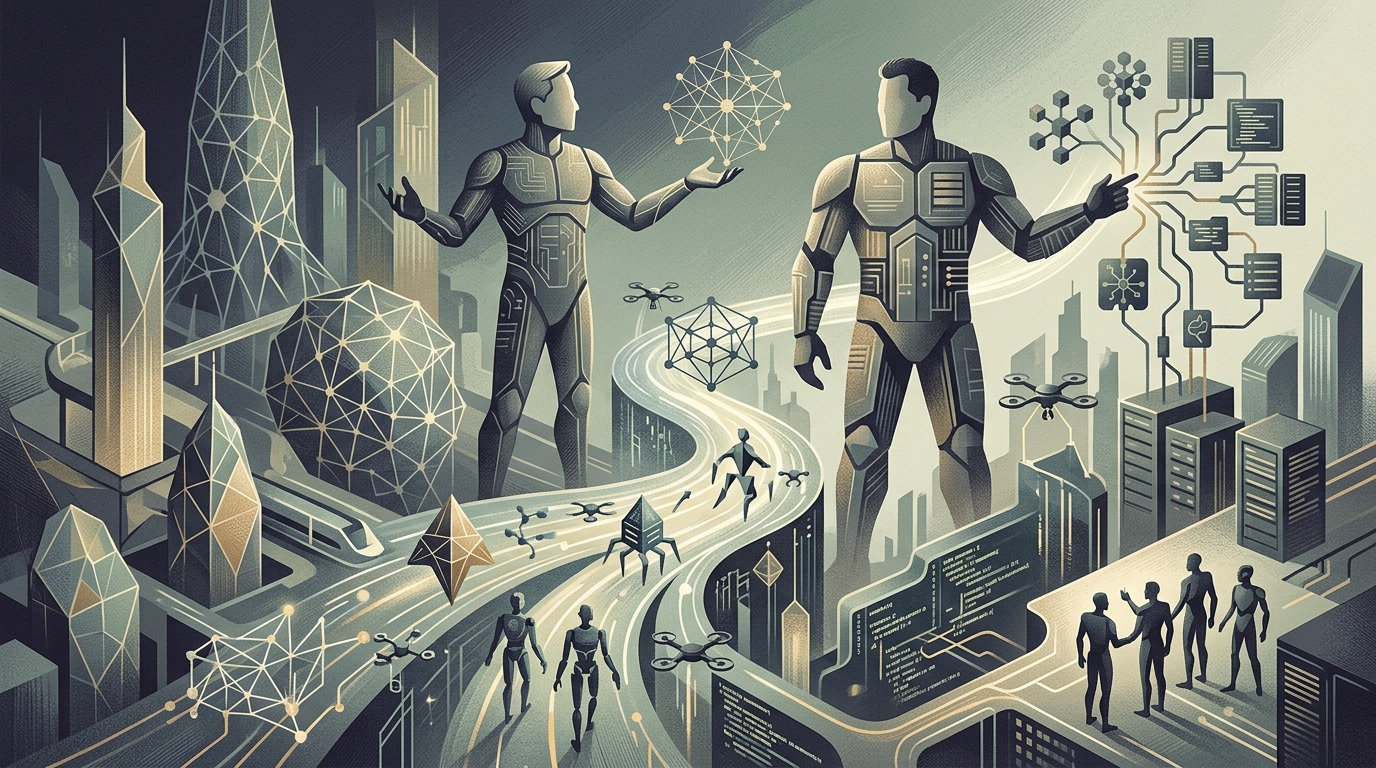
According to Huang, AI agents will represent the next massive wave of global productivity. These systems will not passively wait for a prompt. Instead, they will operate as digital colleagues that understand the specific context of an enterprise. For instance, an AI agent in supply chain management won't just report a delay; it will autonomously search for alternative suppliers, negotiate prices, and reroute orders.
Michael Dell emphasizes that for this vision to materialize, a new infrastructure is required—what he terms the "AI Factory." These factories do not produce physical goods but intelligence. Dell Technologies, in close collaboration with NVIDIA, is developing the hardware stacks that allow enterprises to train and deploy these agents locally (on-premise). This ensures data privacy and security, which remain the primary concerns for the corporate world.
"We aren't just building computers. We are building the nervous system of future organizations," Michael Dell remarked during a recent joint appearance with Huang.
NVIDIA's Role: The Reasoning Engine
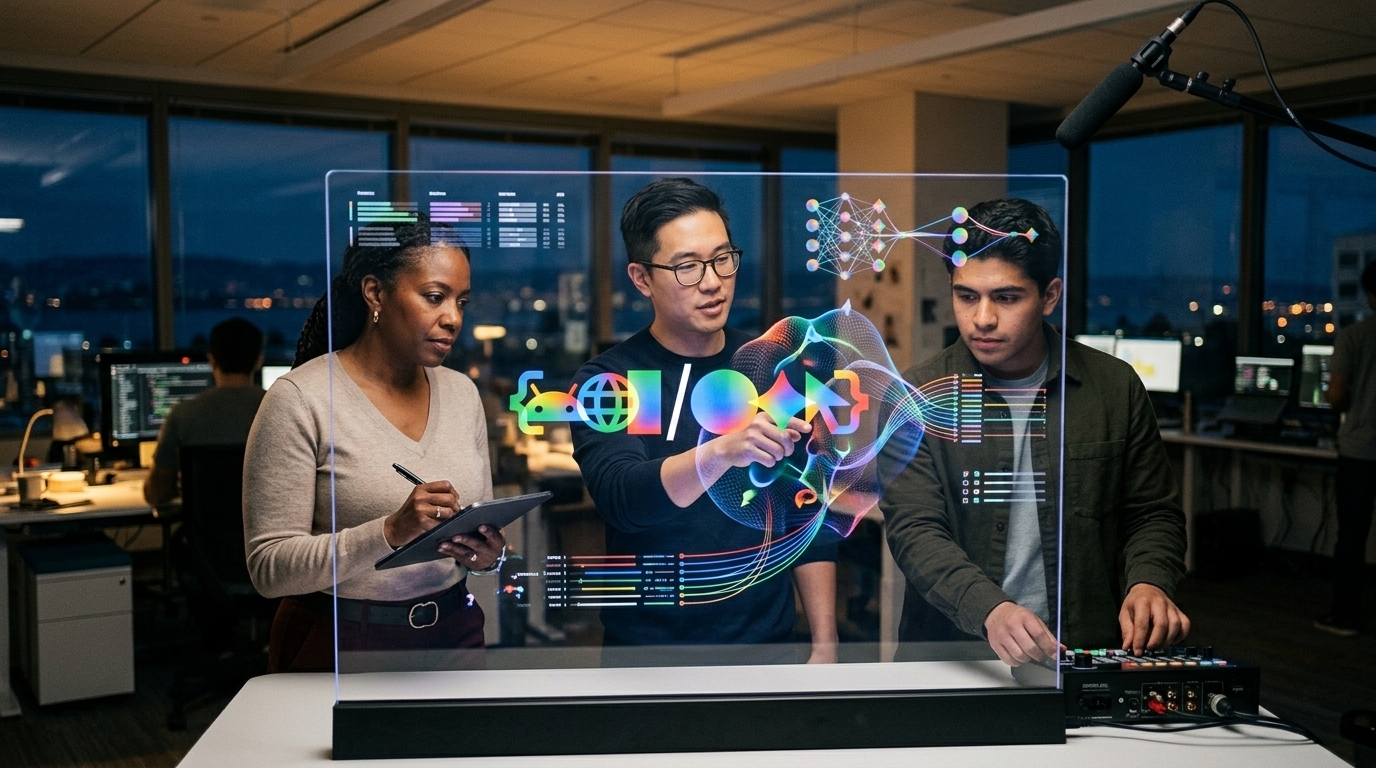
NVIDIA is no longer just a GPU manufacturer. Under Huang's leadership, the company has transformed into a full-stack software and hardware platform that powers the "reasoning" capabilities of AI agents. Through NVIDIA AI Enterprise and the new microservices known as NIMs (NVIDIA Inference Microservices), developers can now assemble agents possessing specialized knowledge in fields like law, medicine, or complex engineering.
The primary challenge for Agentic AI is reliability. An agent that makes decisions must be able to explain its reasoning and operate within predefined safety guardrails. Huang stresses that "Chain of Thought" processing is the key. Agents will use Large Language Models (LLMs) as their cognitive engines but will connect to external databases and software to verify their actions and ground them in reality.
Business Implications and the Future of Labor
The pivot toward Agentic AI is expected to fundamentally reshape the global economy. If previous industrial revolutions replaced manual labor with machines, agentic AI threatens—or promises—to replace cognitive routine. Businesses will soon be able to operate with "digital departments" managing marketing, customer service, and data analysis with minimal oversight.
- Efficiency Gains: Reducing the execution time of complex projects from weeks to minutes.
- Personalization at Scale: Agents that know every customer individually and act proactively on their behalf.
- New Job Categories: An explosion in demand for "AI Supervisors" and "Agent Architects."
However, critics warn of the inherent risks. The autonomy of these systems raises significant questions regarding liability. If an AI agent causes financial loss or violates a regulatory framework, who is held responsible? Dell and NVIDIA argue that the solution lies in "closed" ecosystems, where the AI remains under the organization's control and is not exposed to the public internet.
Conclusion: The Dawn of a New Intelligence
The joint strategy of Huang and Dell signals the end of the experimental phase of AI. We are no longer discussing tools for image generation; we are discussing tools for value generation. Agentic AI is the next frontier, and the battle for dominance in this field will determine the winners of the next decade. As agents become more capable, the human-machine relationship will evolve from control to collaboration, creating a world where human creativity is the only true remaining constraint.