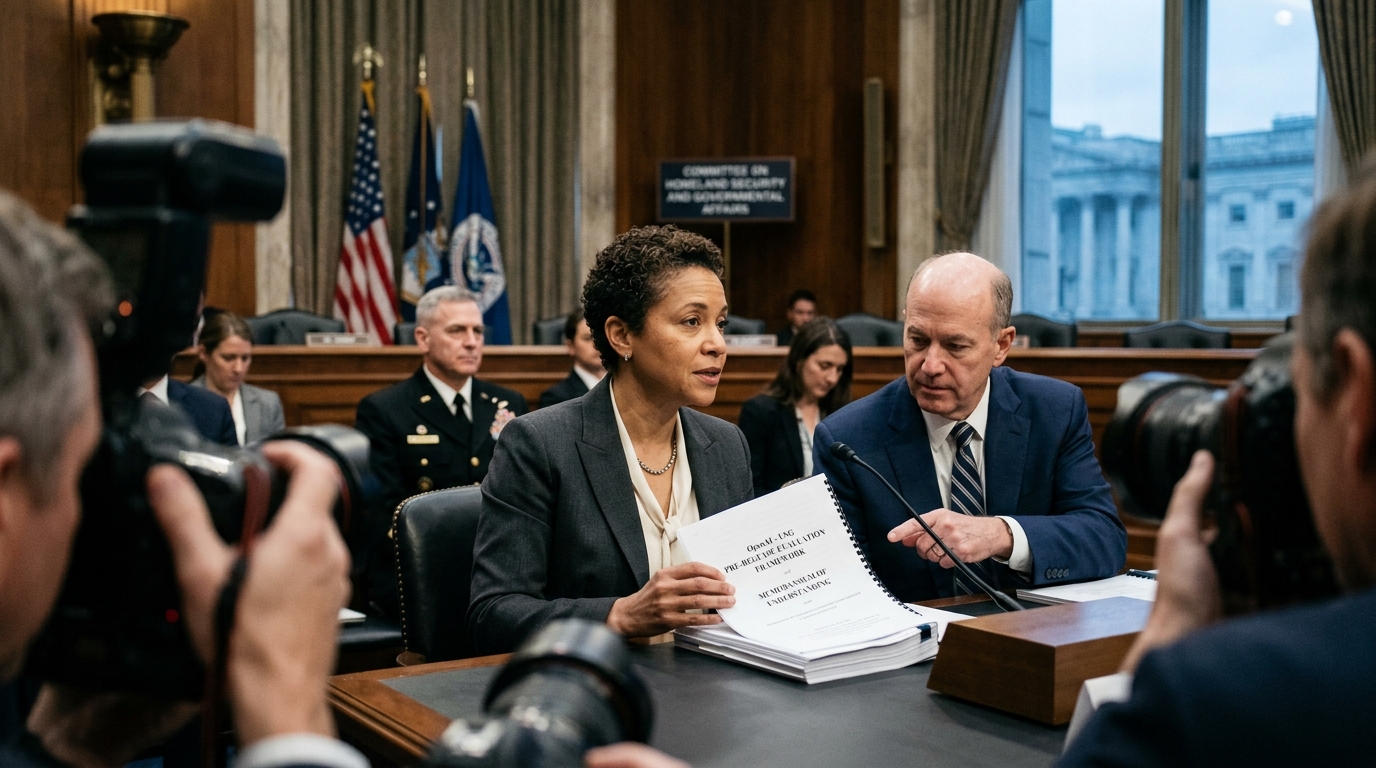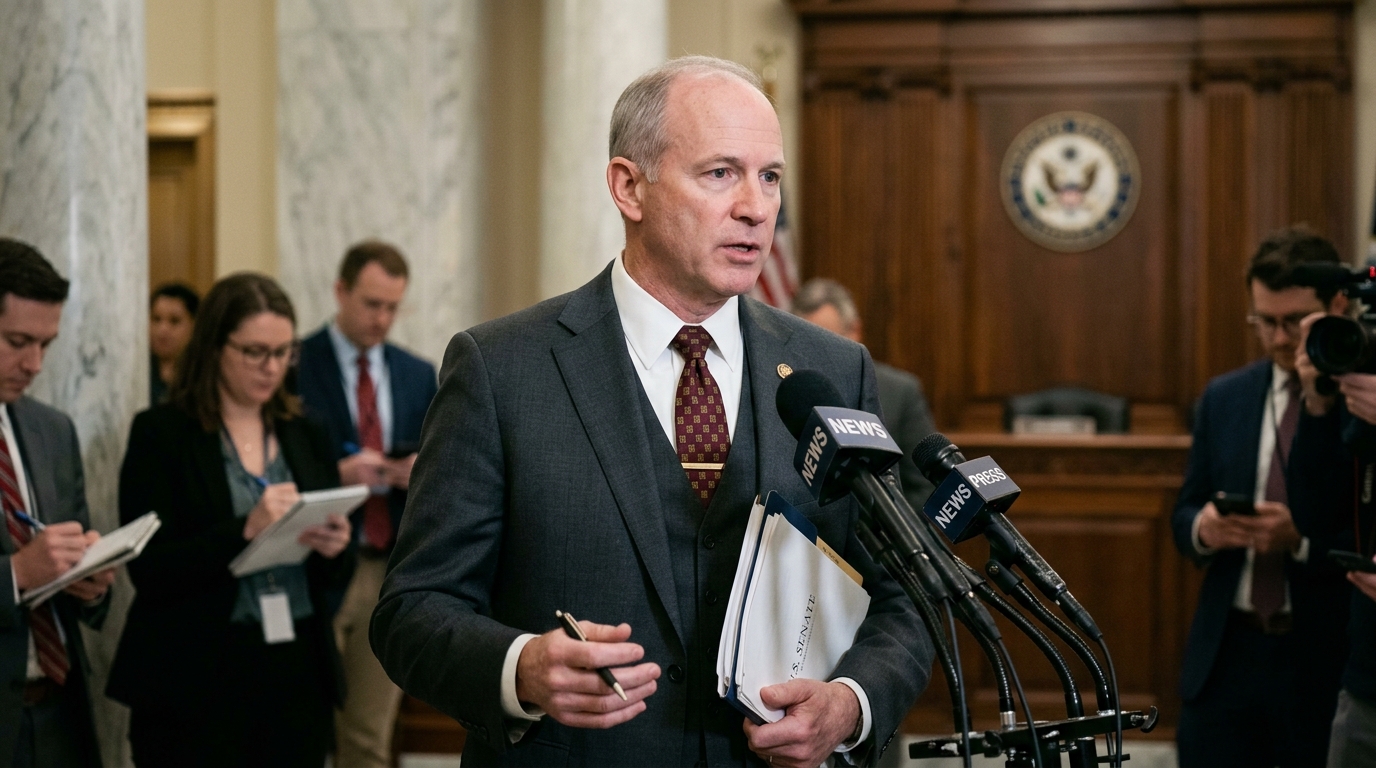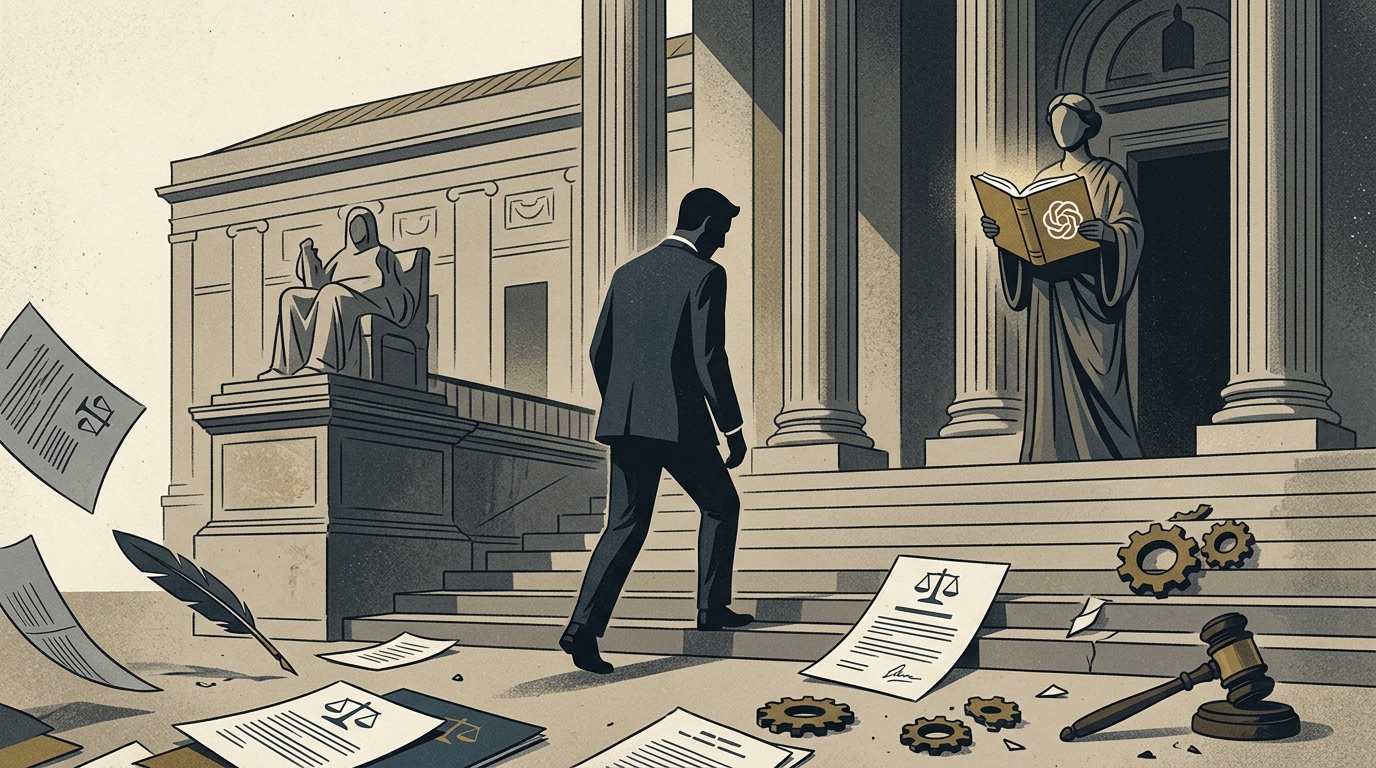
The legal titan-clash between Elon Musk and OpenAI, one of the most scrutinized cases in the tech world, took a definitive turn on Monday. In the case of Musk v. Altman, a jury reached a unanimous advisory verdict that deals a significant blow to the billionaire owner of Tesla and xAI. The central conclusion didn't hinge on the philosophical betrayal of OpenAI’s mission, but on a much more mundane, yet insurmountable, legal barrier: the statute of limitations.
The Wall of Limitations and Delayed Action
According to the verdict, which US District Judge Yvonne Gonzalez Rogers immediately accepted, Musk filed his lawsuit far too late. In California law, as in most legal systems, there are strict time limits within which a plaintiff must seek legal redress from the moment they become aware of an alleged breach. OpenAI successfully argued that Musk was aware of the company's pivot to a capped-profit model (OpenAI LP) as early as 2019, yet chose to litigate only in 2024, after ChatGPT's explosive success had reshaped the market landscape.
OpenAI’s defense presented evidence showing that Musk was fully briefed on the creation of the for-profit arm and the deepening partnership with Microsoft. The fact that he had departed the board in 2018, citing a conflict of interest with Tesla's own AI efforts, worked against him. The jury felt that if Musk truly believed the "Founding Agreement" had been violated, he should have acted then, not five years later when OpenAI had become the dominant force in artificial intelligence.
The Myth of the 'Founding Agreement'
One of the weakest pillars of Musk’s strategy was the invocation of a "Founding Agreement" that, as the trial revealed, never existed as a formal, signed contract. Musk’s legal team relied on a series of emails and verbal assurances from 2015, claiming that Sam Altman and Greg Brockman had promised OpenAI would remain a non-profit, open-source entity dedicated to the public good.
However, OpenAI countered this by highlighting that organizations evolve and that Musk himself had once proposed a full merger between OpenAI and Tesla—a move that would have inherently made it a for-profit endeavor. The absence of a written document legally binding OpenAI to its original non-profit structure made Musk’s arguments vulnerable. Without a contract, the charges of fraud or breach of promise crumbled under the reality of corporate governance and the fluid nature of startup development.
The Shadow of Microsoft and the Future of Open Source
Despite Musk's defeat, the trial illuminated critical questions about the nature of OpenAI. Musk argued that the company has transformed into a "closed-source de facto subsidiary" of Microsoft, abandoning the goal of creating Artificial General Intelligence (AGI) for the benefit of humanity. While the legal claims were dismissed on procedural grounds, the ethical and political dimensions of the case remain unresolved.
This ruling reinforces OpenAI’s current structure and allows Sam Altman to proceed with the development of GPT-5 and subsequent models without the threat of a court-ordered restructuring. For the broader AI community, the message is clear: promises of "open access" and "altruism" in technology, unless legally codified, often yield to the demands of capital and market competition. Musk, for his part, is expected to funnel his energy into xAI, attempting to prove in practice what he couldn't in court: that a competitive, "truly open" AI model can exist.
Conclusions and Implications
Musk’s defeat is not just legal but also a matter of public perception. His attempt to cast himself as the protector of humanity against a "greedy" OpenAI clashed with his own past proposals and his delay in taking action. For tech companies, this case serves as a masterclass in the importance of clear bylaws and legal timelines. OpenAI emerges stronger, now possessing a judicial stamp that its transition to a for-profit model was legally valid—or at least, no longer challengeable.
- The statute of limitations was the primary reason for the lawsuit's dismissal.
- The lack of a signed contract made it impossible to prove a breach of the "Founding Agreement."
- OpenAI retains its corporate structure and its lucrative Microsoft partnership.
- Musk is now focusing his efforts entirely on his rival AI firm, xAI.