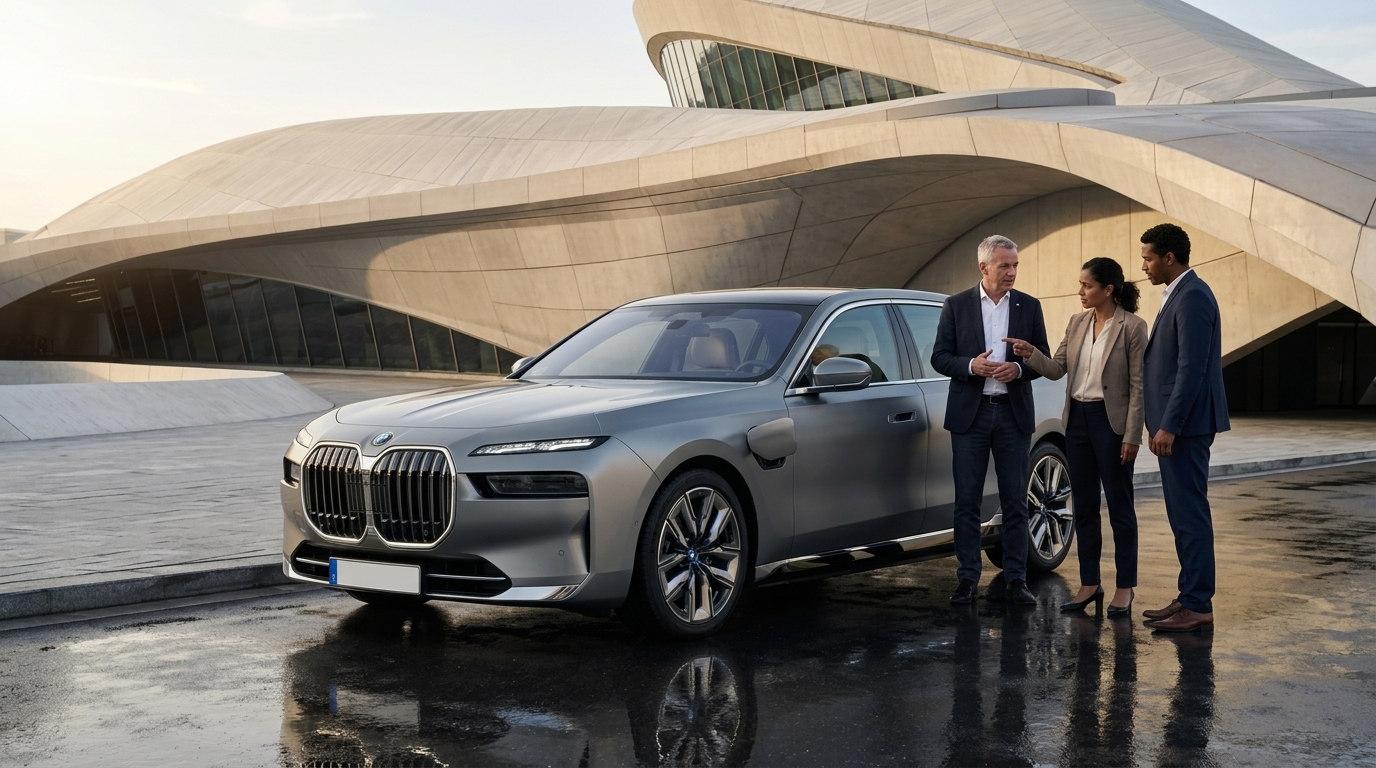
The history of BMW is inextricably linked to the concept of the '7 Series.' Since its debut in 1977, the 7 has not just been a car, but a symbol of power, prestige, and the technological prowess of Bavarian engineering. Today, as we navigate through 2026, BMW is taking its boldest step yet by integrating its flagship into the 'Neue Klasse' platform. This is not merely a model refresh; it is a structural reboot of the brand aiming to reclaim the crown of luxury mobility from the new challengers of Silicon Valley and China.
The Architecture of Change: What Neue Klasse Means
The name 'Neue Klasse' (New Class) was not chosen by chance. It references the 1960s models that saved BMW from financial ruin and defined its DNA. The modern Neue Klasse is a purely electric architecture that abandons the logic of 'shared platforms' for gasoline and electricity. The new 7 Series benefits from an 800-volt system, enabling charging speeds that were previously unthinkable. With the ability to recoup 300 kilometers of range in less than 10 minutes, BMW is effectively eliminating the 'range anxiety' that has long plagued luxury EV owners.
New cylindrical battery cells of the 6th generation offer 20% higher energy density. This means the new 7 Series can travel over 800 kilometers on a single charge, setting a new benchmark in its class. Furthermore, the use of recycled materials in battery and chassis construction reduces the production's carbon footprint by 40%, aligning luxury with environmental consciousness.
Design Revolution and 'Panoramic Vision'
Design-wise, the new 7 Series moves away from the controversial oversized grilles of recent years. The Neue Klasse introduces a more refined, minimalist approach. The front of the car integrates lights and sensors into a single digital surface, while the silhouette is more aerodynamic, reminiscent of classic sedans but with a futuristic aura. BMW seems to be listening to its loyal fanbase, returning to cleaner lines that emphasize elegance over aggression.
However, the real revolution lies inside. The 'BMW Panoramic Vision' system replaces the traditional instrument cluster. It is a Head-Up display that spans the entire width of the windshield, allowing the driver and passenger to interact with information through gestures and voice commands. The absence of physical switches and the use of sustainable textiles instead of leather create a 'zen' atmosphere, transforming the cabin into a high-tech mobile lounge. The car's AI learns the driver's habits, automatically adjusting lighting, temperature, and routes, making the driving experience profoundly personal.
The Clash of Titans in the Global Market
BMW's move to bring the Neue Klasse to the 7 Series is a clear response to Tesla's dominance and the rise of Chinese brands like Lucid and NIO. The German automotive industry faced intense criticism for its perceived slow transition to electrification, but BMW appears to be following a 'quality over speed' strategy. The new 7 Series targets not just tech enthusiasts, but also traditional buyers who demand the driving dynamics (Sheer Driving Pleasure) that only a BMW can provide.
- Range: Over 800 km thanks to Gen6 battery technology.
- Charging: 800V architecture for ultra-fast power delivery.
- Digital Core: Panoramic Vision HUD across the entire windshield.
- Sustainability: Use of secondary raw materials and circular production.
In an era where the software defines the vehicle (Software-Defined Vehicle), BMW is investing billions into its own operating system. The new 7 Series will be the first model to fully support Level 3 autonomous driving on highways, allowing the driver to take their hands off the wheel under specific conditions. This evolution is not just a convenience; it is a statement of power in a world where data is the new fuel. The BMW 7 Series Neue Klasse is Munich's bet for the 21st century: a vehicle that honors its heritage while accelerating toward an uncertain but exhilarating future.