Spring 2026 finds the Ukrainian front in a state that few analysts would have dared to predict a year ago. According to the latest data from the theater of operations, March 2026 was recorded as the month with the fewest territorial gains for Russian forces since the start of Moscow's major offensive two and a half years ago. After a prolonged period of attrition and slow but steady Russian advances in the Donbas, the dynamic appears to have shifted radically—not necessarily through a massive Ukrainian counteroffensive, but through unprecedented defensive efficiency.
The Drone Revolution and the 'Transparent' Battle Zone
The primary reason for this operational stagnation lies in the total dominance of Unmanned Aerial Vehicles (UAVs). On the modern Ukrainian battlefield, the concept of surprise has almost vanished. Using advanced AI algorithms for real-time target recognition, Ukrainian FPV (First Person View) drones and autonomous reconnaissance swarms have made every Russian armored movement visible from miles away.
The effectiveness of this "digital shield" means that Russian units are often destroyed before even reaching the line of contact. Mass production of drones within Ukraine, combined with technological support from the West, has allowed Kyiv to create an access-denial zone that negates Russia's numerical advantage in manpower and legacy artillery. Russian forces, despite continuous "wave" attacks, hit a wall of steel and code in March that they could not penetrate.
Air Defense and the Failure of the Russian Air Force
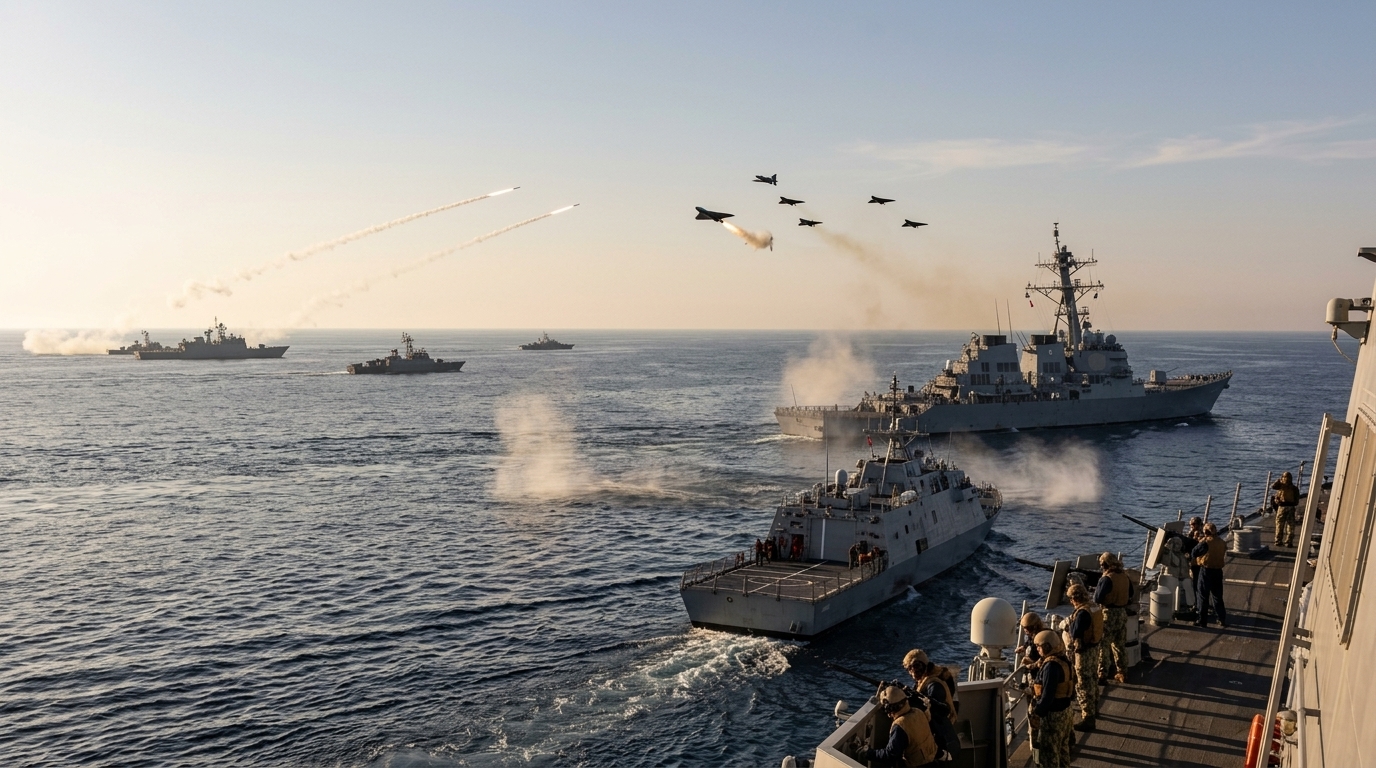
Alongside drones, the strengthening of Ukrainian air defense played a decisive role. After months of systematic strikes on energy infrastructure, Ukraine managed—with the help of Patriot, IRIS-T systems, and new European countermeasures—to create a multi-layered protective umbrella. This restricted the Russian Air Force to a passive role, preventing the use of glide bombs that had caused immense damage in previous months.
Russia's inability to achieve air superiority, even locally, forced its forces to rely on ground assaults that, without adequate cover, ended in a bloodbath with zero territorial return. Kyiv's "active defense" strategy seems to be bearing fruit, exhausting Moscow's reserves at a time when the Russian economy is beginning to show signs of fatigue from war mobilization.
Geopolitical Implications and the Future of the Conflict
The stagnation of March is not merely a military statistic; it is a geopolitical message. For the West, it serves as proof that continued support in technological equipment can balance Russian superiority in resources. For Moscow, it is a warning that time does not necessarily work in its favor, as the cost for every meter of land becomes unbearable.
- Ukraine has become the world's largest AI warfare laboratory.
- Russian logistics struggle to adapt to the speed of Ukrainian precision strikes.
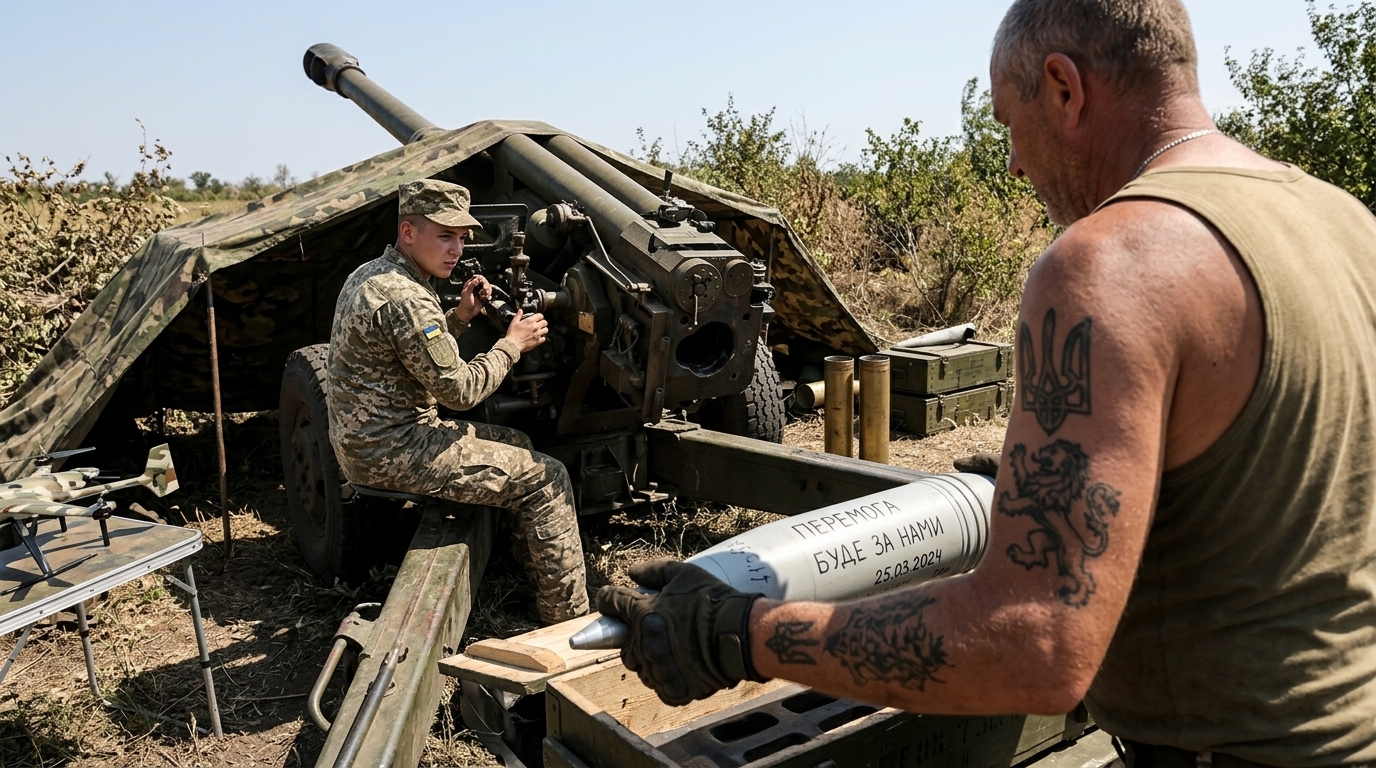
- The European defense industry is finally delivering ammunition regularly, closing the "gap" of 2025.
However, analysts warn against complacency. A "frozen" front line could be the prelude to a new, even more violent escalation as Russia seeks new methods to break the technological deadlock. The international community watches with bated breath as the balance of terror in Eastern Europe enters a new, more unpredictable phase.
"We are not just seeing a pause in hostilities, but a redefinition of what 'gain' means in a war where information is as lethal as projectiles," says a senior NATO official.