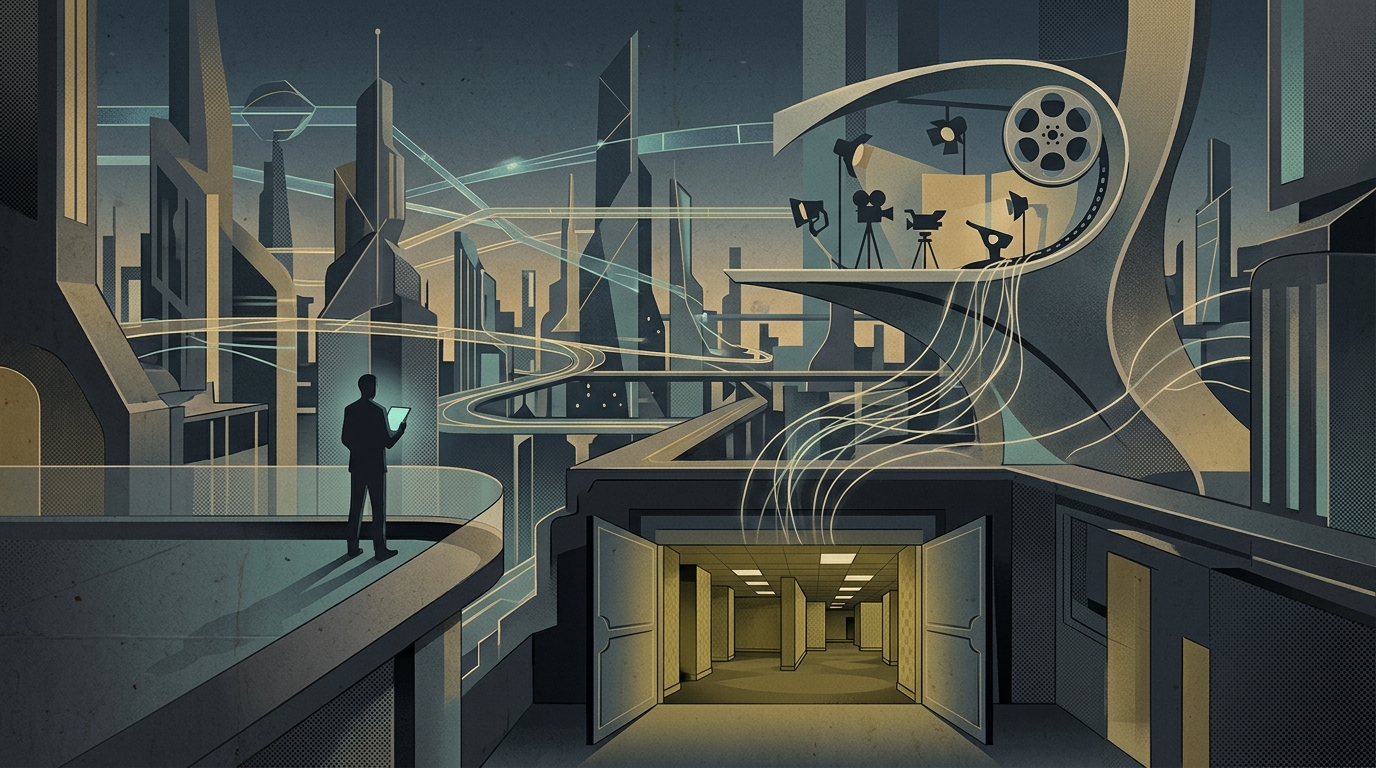
In the world of modern cinema, traditional gateways—film schools, studio connections, and years of apprenticeship—seem to be crumbling before the power of an algorithm and a creative idea born in a bedroom. The case of Kane Parsons, the 17-year-old creator behind 'The Backrooms' series on YouTube, is not just a story of teenage success; it is the symbol of a radical shift in how Hollywood discovers talent and how audiences consume horror.
The Birth of a Digital Nightmare
It all began with a 2019 4chan post: an image of an empty, yellow-wallpapered office with fluorescent lighting and a caption about 'liminal spaces.' This image sparked an entire mythology, but it was Kane Parsons who, in 2022, transformed it into a visual experience that captivated millions. Using Blender software and a 'found footage' aesthetic reminiscent of old VHS tapes, Parsons created a world that feels both familiar and deeply unsettling.
The Backrooms' aesthetic relies on the 'horror of the void.' There are no classic jump scares of mainstream cinema. Instead, the dread stems from the feeling of being in a space that should be full of life but is deserted, endless, and governed by incomprehensible rules. This approach has resonated immensely with Gen Z, who grew up in digital worlds and recognize the alienation of empty, repetitive structures.
YouTube as the New Sundance
For decades, the Sundance Film Festival was the place where independent horror directors—like the creators of 'The Blair Witch Project'—found their path to glory. Today, that role has shifted to YouTube. A24, the studio behind hits like 'Hereditary' and 'Talk to Me,' wasted no time in signing Parsons to bring The Backrooms to the big screen, in collaboration with James Wan’s Atomic Monster.
- Democratization of Media: The ability to create cinematic-level CGI with free tools like Blender allows individual artists to compete with major studios.
- Instant Feedback: YouTube creators test their ideas in real-time, seeing what scares the audience before they even step foot on a professional set.
- Analog Horror Aesthetic: The return to the imperfection of analog media acts as a counterweight to the excessive digital clarity of our era.
This trend is not limited to Parsons. The Philippou brothers, known for their channel RackaRacka, scored a massive hit with 'Talk to Me,' proving that the energy and understanding of internet culture translate into box office tickets. Hollywood is no longer just looking for scripts; it is looking for ready-made communities and proven visual styles.
The Cultural Significance of Liminal Spaces
"The Backrooms is not just a place; it is a psychological state. It reflects our fear of bureaucracy, isolation, and the collapse of reality in a world that feels increasingly like a simulation."
The success of this trend highlights a deeper change in the psychology of horror. While 20th-century horror often focused on external threats (monsters, slashers), 21st-century horror turns inward and existential. The Backrooms represent the terror of being lost in a system with no exit, a metaphor that many young people feel regarding the economic and social reality of 2026.
Challenges and the Future
Transitioning from YouTube’s short format to the big screen carries risks. The charm of The Backrooms often lies in its mystery and lack of a clear narrative. Hollywood, with its need for three-act structures and character development, risks 'over-explaining' the phenomenon, destroying its magic. However, under the guidance of experienced producers and the undeniable visual genius of creators like Parsons, the future of horror seems to be in good—albeit digital—hands.
In conclusion, The Backrooms is the tip of the iceberg. As AI and rendering tools become even more accessible, we will see an explosion of new horror subgenres born from digital folklore (creepypastas) and memes, forcing the film industry to stay on its toes.