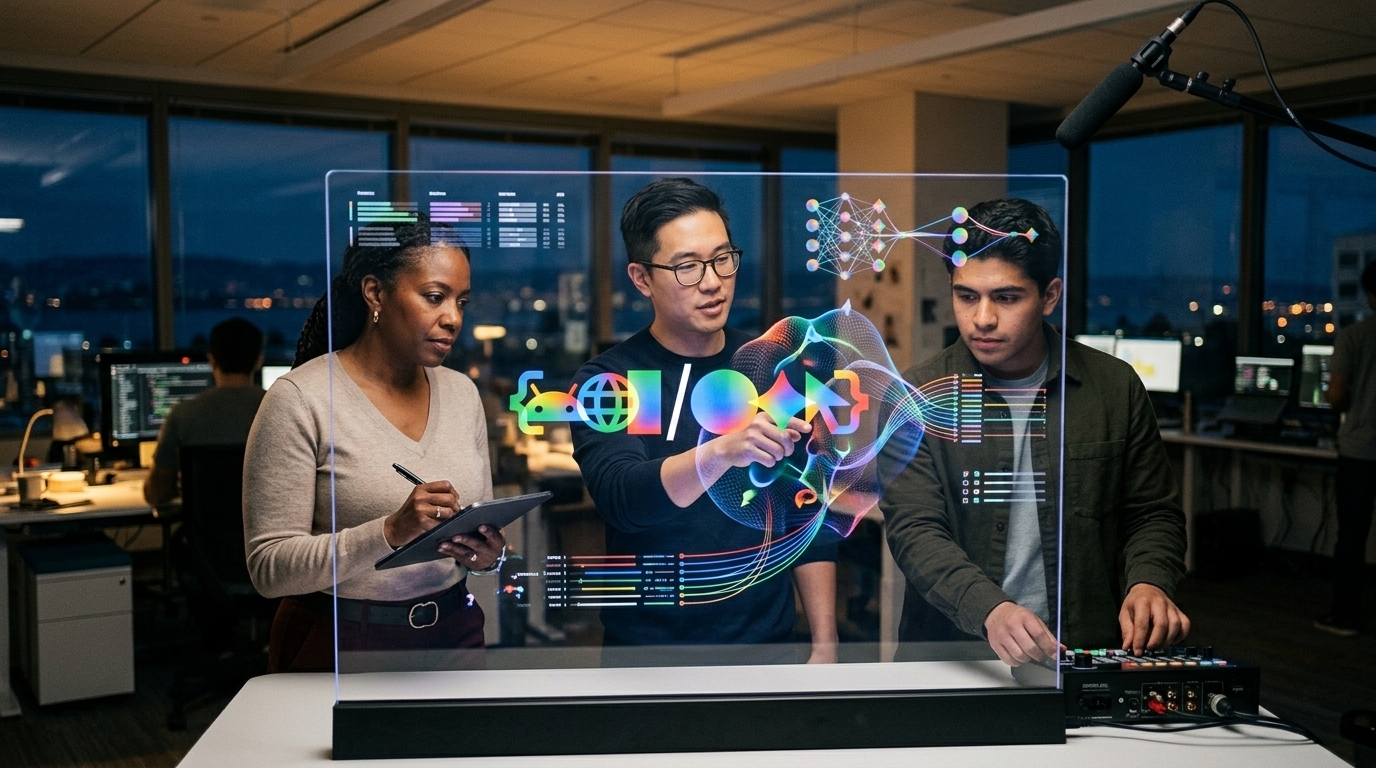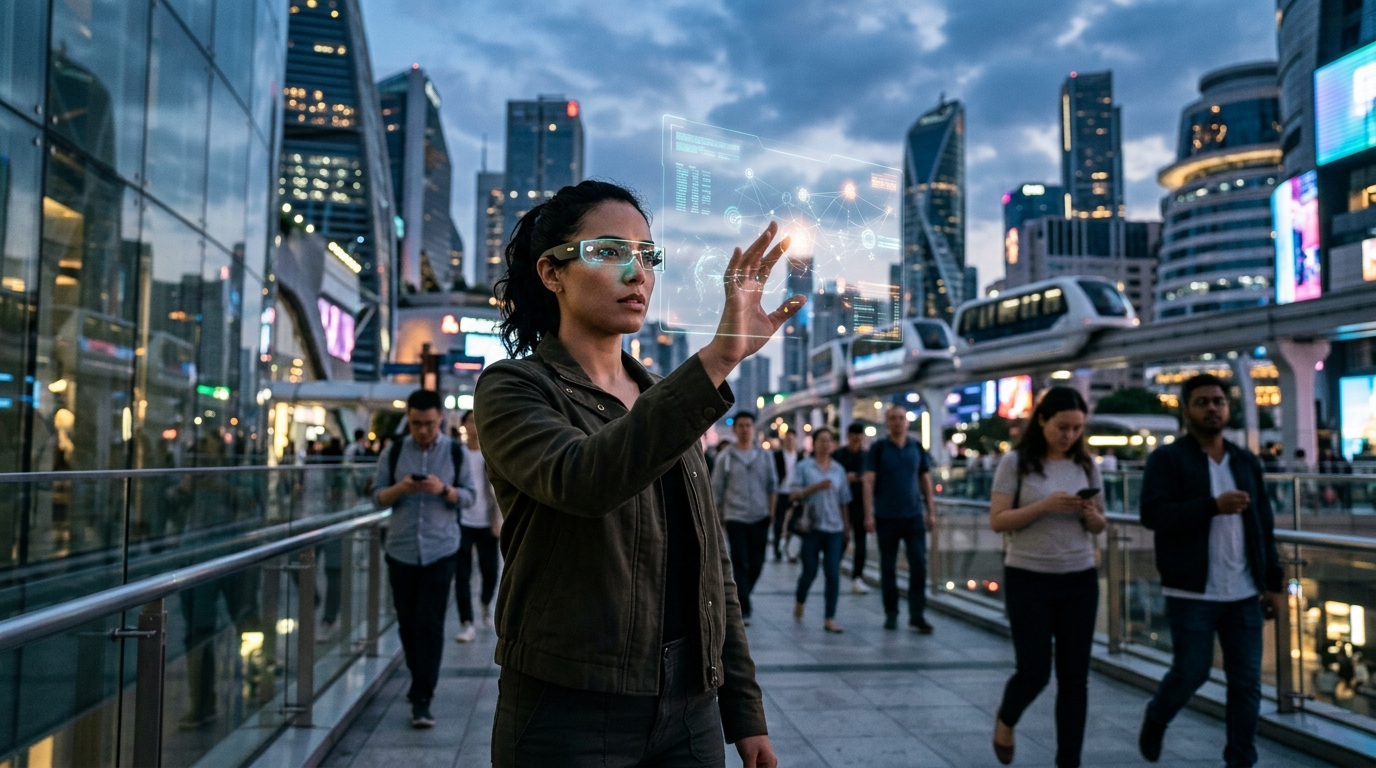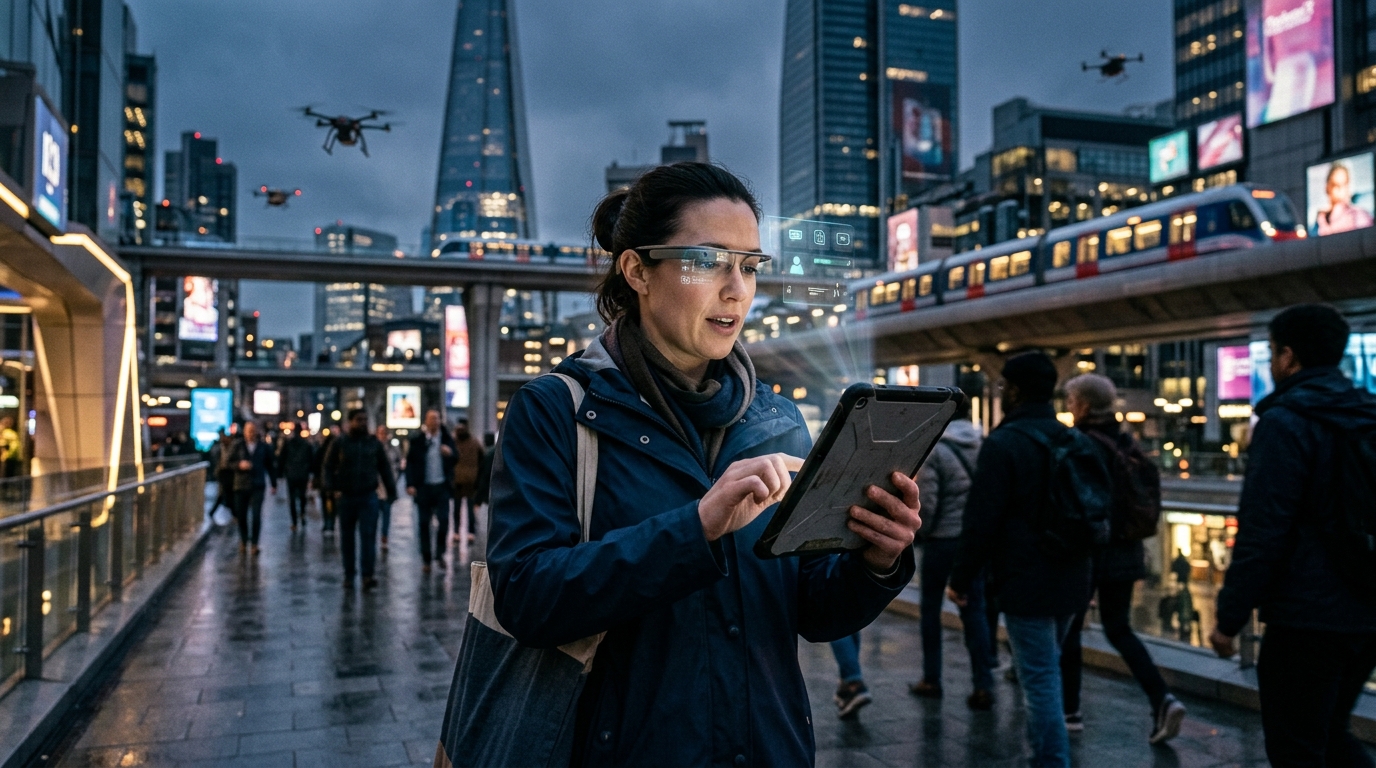
The dawn of the third decade of the 21st century marks a fundamental shift in the relationship between humans and machines. For decades, Artificial Intelligence (AI) was a subject of study in dimly lit university labs or a central theme in Hollywood sci-fi scripts. Today, however, the question is not whether AI will change the world, but whether the average person—the teacher, the plumber, the student, the retiree—can harness it and turn it into a reliable personal assistant.
Language as the New Programming Tool
The greatest revolution brought by Generative AI is not its ability to write code, but its ability to understand natural language. Until a few years ago, to "talk" to a machine, one had to know Python, Java, or C++. Today, the only requirement is the ability to articulate clear instructions in one's native tongue. What experts call "prompt engineering" is essentially nothing more than the art of communication.
For the ordinary person, this means that the barrier to entry into high technology has almost vanished. An elderly person can ask an AI model to explain the side effects of a medication in simple terms, or a small business owner can request the drafting of a professional email in a foreign language without needing a translator. AI acts as an "exoskeleton of the mind," allowing individuals without specialized knowledge to perform tasks that previously required armies of experts.
AI in Daily Life: From Organization to Education
But how does this technology translate into practical help? The applications are countless. In the field of education, AI functions as a personal tutor available 24/7. A student struggling with equations can ask the AI to explain them using examples from football or music, tailoring the lesson exactly to their interests.
- Time Management: AI can analyze a chaos of notes and transform them into a structured work schedule.
- Financial Planning: Ordinary people are using AI tools to analyze their expenses and find ways to save, a task that once required an accountant.
- Creativity: From creating a greeting card to composing an amateur video, AI gives "wings" to the creative expression of those without artistic training.
However, turning AI into an assistant requires one basic prerequisite: critical thinking. Machines often "hallucinate," presenting false information with absolute confidence. The user must learn to be the "manager" and not a passive recipient, always verifying the output produced by the machine.
The Democratization of Productivity
In the workplace, AI does not just threaten jobs; it offers a unique opportunity for "ordinary" workers to upgrade their roles. An administrative employee can automate tedious filing tasks, dedicating time to more strategic decisions. This leads to a democratization of productivity, where a worker's value is no longer measured by how many hours they spend on mechanical tasks, but by how well they can direct their digital tools.
"AI will not replace humans, but humans who use AI will replace those who do not," market analysts frequently observe.
This realization hides a deep social challenge. If AI becomes an indispensable assistant, what will happen to those who lack access to it or do not have the digital skills to use it? The risk of a new "digital divide" is real. Governments and educational institutions must ensure that learning to use AI tools is accessible to everyone, regardless of age or social background.
Conclusions: Human Oversight is Irreplaceable
In conclusion, turning Artificial Intelligence into an assistant is a process that requires curiosity, experimentation, and, above all, awareness of the technology's limits. The "ordinary person" now holds a power previously reserved for emperors and billionaires: access to an inexhaustible source of information and processing power. The challenge for our society is to use this assistant not to become lazier, but to become more human, leaving mechanical tasks to machines and keeping creativity, empathy, and judgment for ourselves.