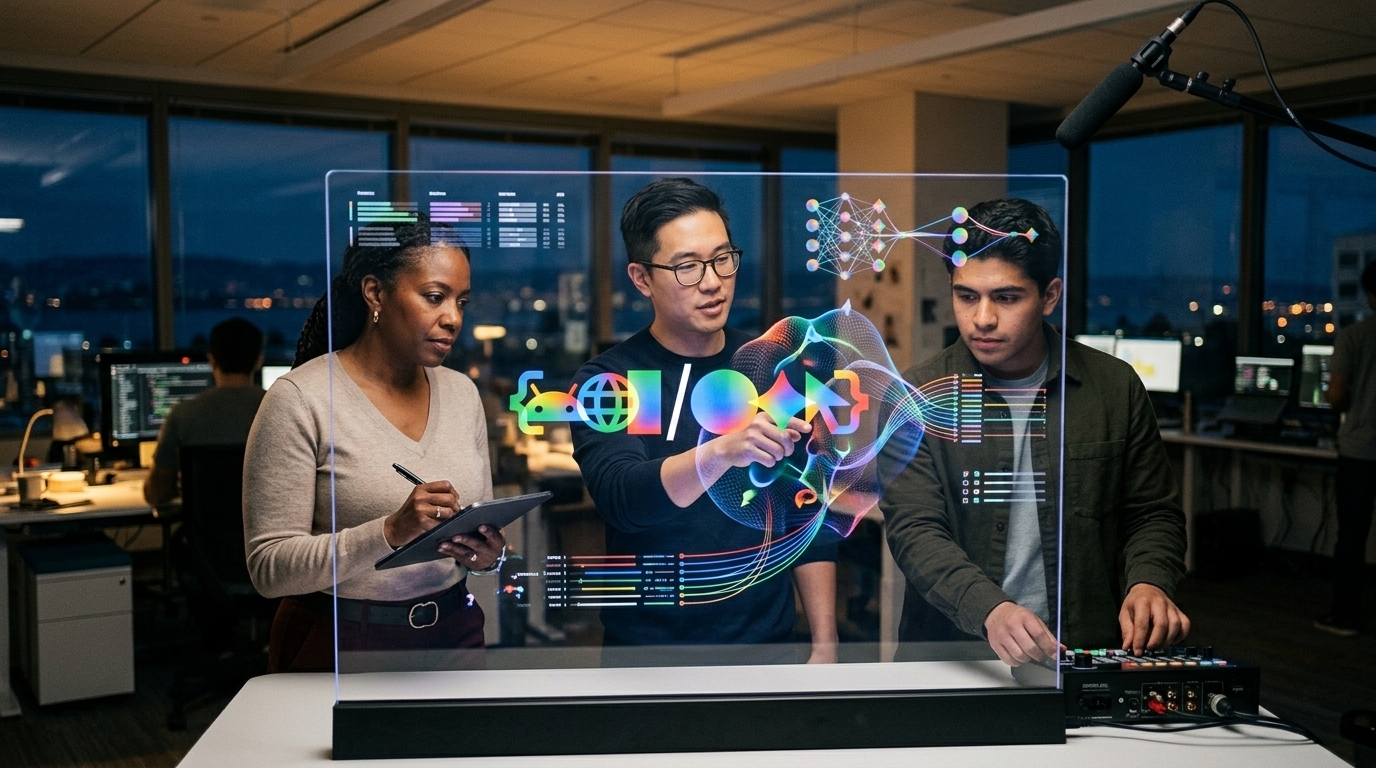
As we move through the second quarter of 2026, the conversation surrounding Artificial Intelligence (AI) has shifted from whether it will impact work to how we will survive the inevitable new reality. The labor market is not merely undergoing a phase of automation; it is experiencing a structural metamorphosis. If the Industrial Revolution replaced muscles, the AI revolution is aimed directly at the cognitive core of human activity.
The Shift from Execution to Strategic Oversight
Today, AI is no longer a tool we use occasionally but a "colleague" that performs 80% of repetitive cognitive tasks. From drafting legal documents to generating code and diagnosing medical imagery, generative models have reached levels of precision that surpass the average professional. This creates a new hierarchy within enterprises: a worker's value is no longer measured by what they can produce themselves, but by how effectively they can direct and audit AI systems.
- Prompt Engineering 2.0: The ability to dialogue with machines has evolved into a strategic skill.
- Critical Thinking: Verifying AI outputs is now more critical than the production itself.
- Complexity Management: Synthesizing information from multiple AI systems for decision-making.
The Disappearance of Junior Roles and the Experience Gap
One of the most concerning trends of 2026 is the dramatic reduction in entry-level positions. Tasks traditionally assigned to interns or new graduates—such as data collection, basic copywriting, or debugging—are now performed instantaneously by autonomous AI agents. This creates a paradox: how will young people gain the experience required to become the "strategic supervisors" of tomorrow if the starting positions have been eliminated?
"AI won't take your job, but someone who knows how to use AI will," Spectrum News frequently notes, capturing the essence of competition in today's market.
The Return to "Human" Skills
Paradoxically, the more complex technology becomes, the more valuable the skills that make us human become. Empathy, ethical judgment, negotiation, and emotional intelligence remain areas where AI lags significantly. In healthcare, for instance, while AI makes the diagnosis, the human doctor is the one who must communicate the result with sensitivity and guide the patient psychologically. The 2026 job market now rewards the "hybrid professional": the one who combines technical fluency with social dexterity.
The Need for a New Social Contract
The speed of change has outpaced educational systems and government policies. The concept of "lifelong learning" is no longer a slogan but a survival necessity. Governments are being called upon to invest in mass reskilling programs, while pressure mounts for the adoption of Universal Basic Income (UBI) or a "Training Income," as structural unemployment in certain sectors appears to be taking on permanent characteristics. The question is not whether AI will create new jobs—historically, every technology does—but whether the displaced individuals will have the time to acquire the skills to fill them.