The global race for Artificial Intelligence dominance is hitting a very physical and immovable wall: land. In the state of Michigan, a vast area of 1,500 square miles—roughly equivalent to the size of Rhode Island—has been officially declared off-limits for the construction of new data centers. This move is not merely a local zoning update; it is a profound signal regarding the limits of digital growth in a world of finite resources.
The Collision of Digital and Physical Realms
Data centers are the backbone of the modern economy. From ChatGPT to global financial transactions, everything relies on massive facilities filled with servers operating 24/7. However, these facilities are energy-hungry beasts. They require immense amounts of electricity and, crucially, millions of gallons of water to cool their systems. In Michigan, concerns over the protection of the Great Lakes and fertile agricultural land have driven lawmakers and local communities to take drastic measures.
The decision to place 1,500 square miles under protection stems from a complex equation of environmental sustainability and social license. Residents in rural Michigan have begun to push back against the "invasion" of tech giants, arguing that data centers offer very few jobs relative to the land they occupy, while simultaneously straining the local power grid and driving up costs for ordinary consumers.
The Energy Trap and Infrastructure Strain
The issue is not just land, but power. Michigan’s grid, like many across the U.S., was not designed to handle the sudden surge in demand caused by the AI boom. Energy providers are caught in a dilemma: do they invest billions in new generation capacity (often reverting to natural gas or coal) to satisfy Big Tech, or do they set limits to ensure grid stability for their citizens?
- Aquifer Protection: Server cooling requires water that is often drawn from local groundwater sources, potentially depleting agricultural supplies.
- Noise and Aesthetics: Giant windowless buildings and the constant hum of industrial fans degrade the quality of life in quiet communities.
- Tax Incentives: Critics question why multinational corporations receive millions in tax breaks while contributing minimally to local employment.
The legislative initiative in Michigan reflects a broader trend seen in Europe, with cities like Amsterdam and Dublin imposing moratoriums on new data center construction. The era of unchecked expansion appears to be ending, giving way to an era of "strategic placement."
Political Implications and the Future of AI
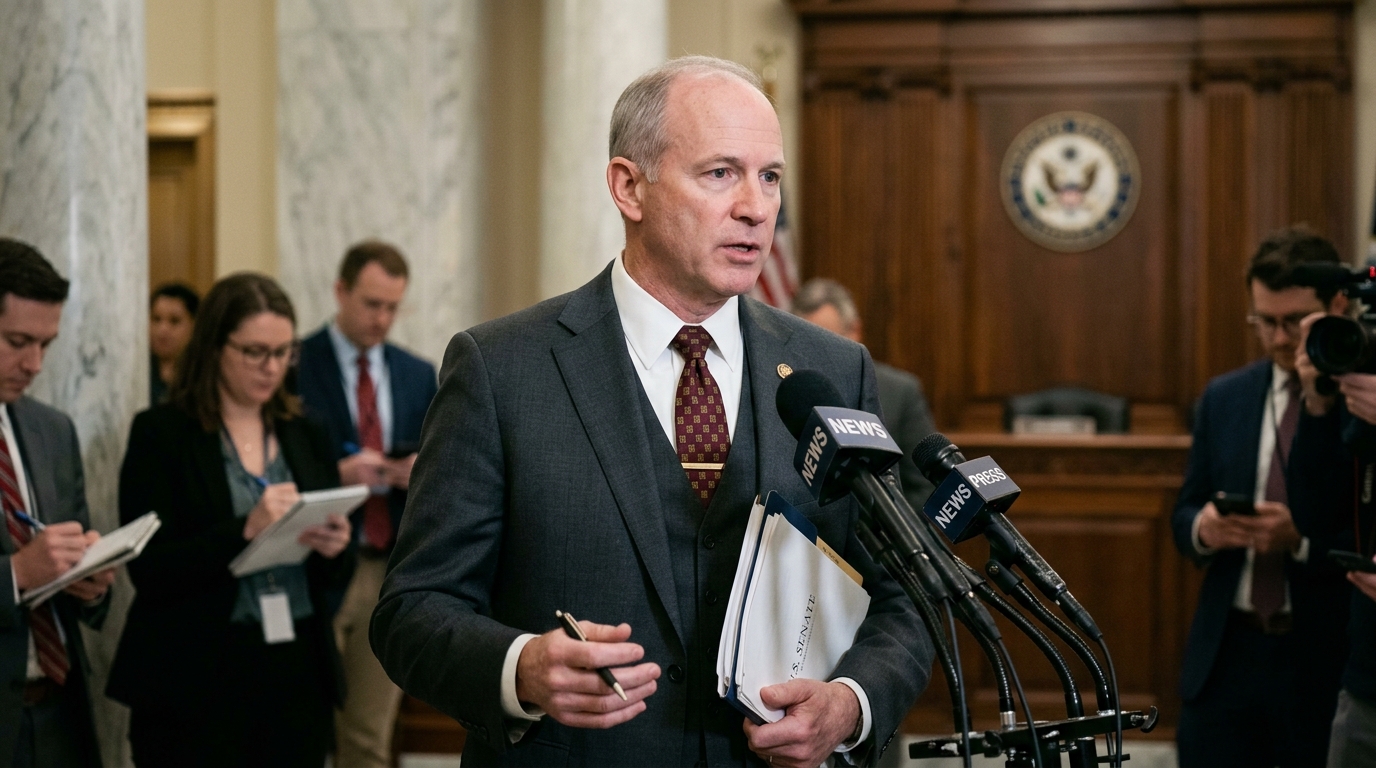
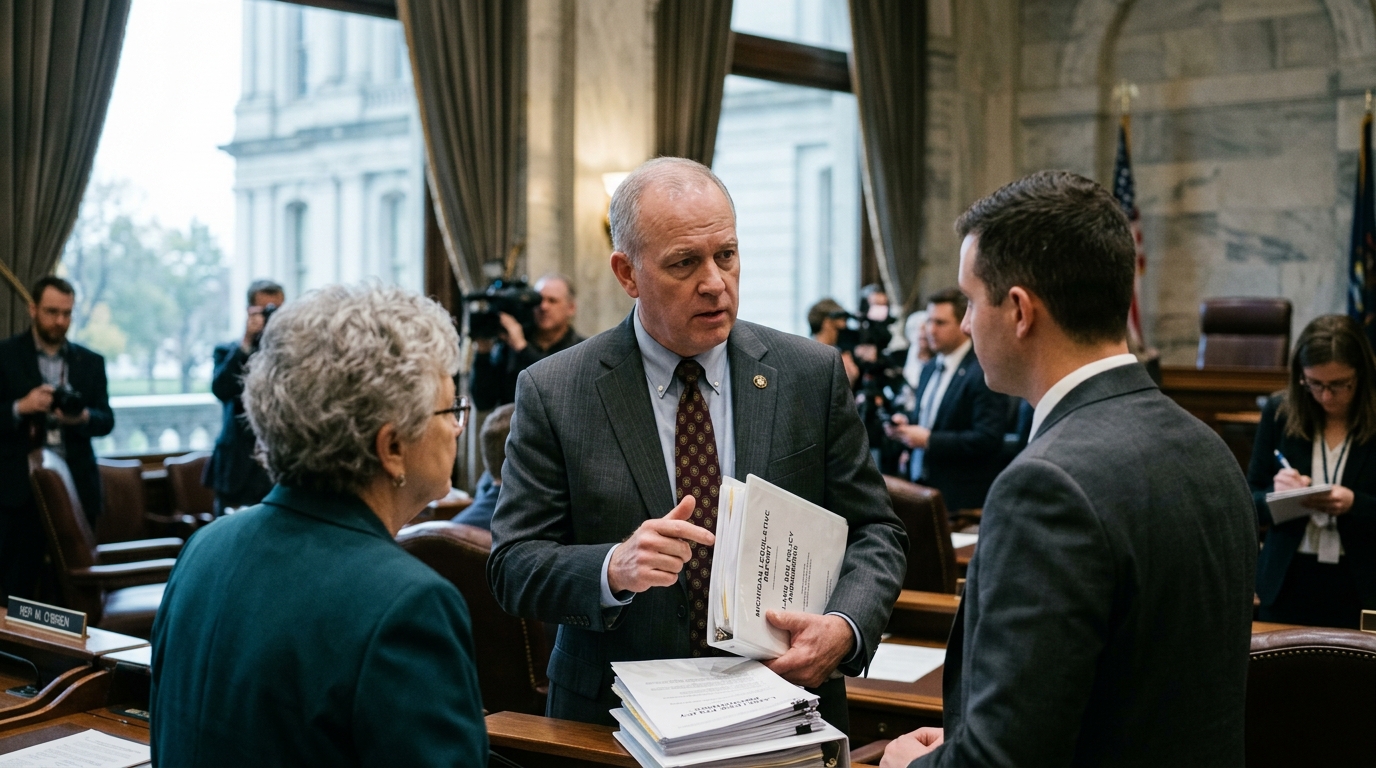
Governor Gretchen Whitmer finds herself in a delicate balancing act. On one hand, she aims to position Michigan as a hub for innovation and technology. On the other, protecting the state’s natural resources is a central pillar of her administration. The decision to exclude these 1,500 square miles is a compromise that attempts to appease environmental advocates without completely driving away investment.
"We cannot sacrifice the future of our agriculture and water resources for the sake of algorithms," stated a local government official. "Technology must adapt to the environment, not the other way around."
This development is forcing tech giants like Google, Microsoft, and Amazon to seek more efficient methods. We are already seeing a shift toward liquid cooling, the use of AI to manage the energy consumption of data centers themselves, and even the placement of servers in underwater facilities or naturally cold climates. Michigan is setting the stage: the growth of AI will no longer be a blank check written across the landscape.