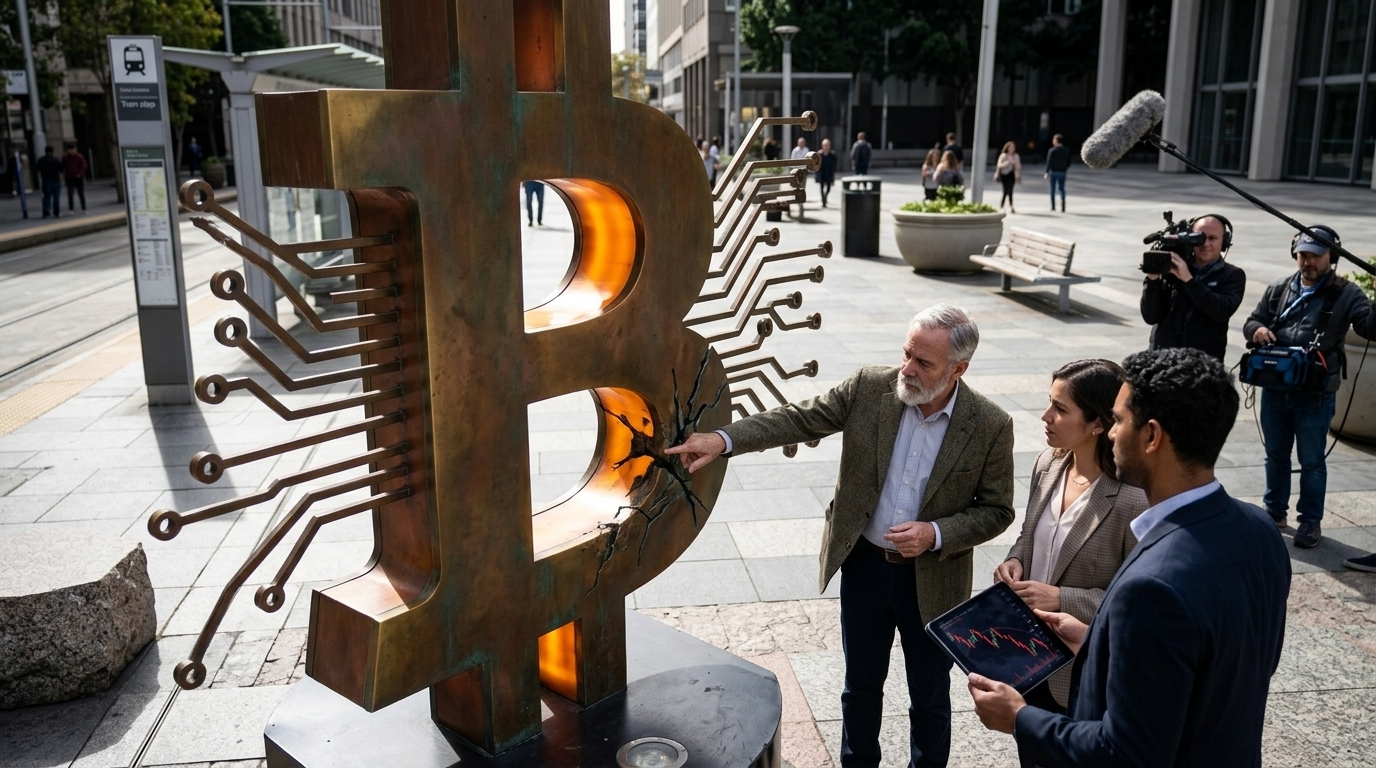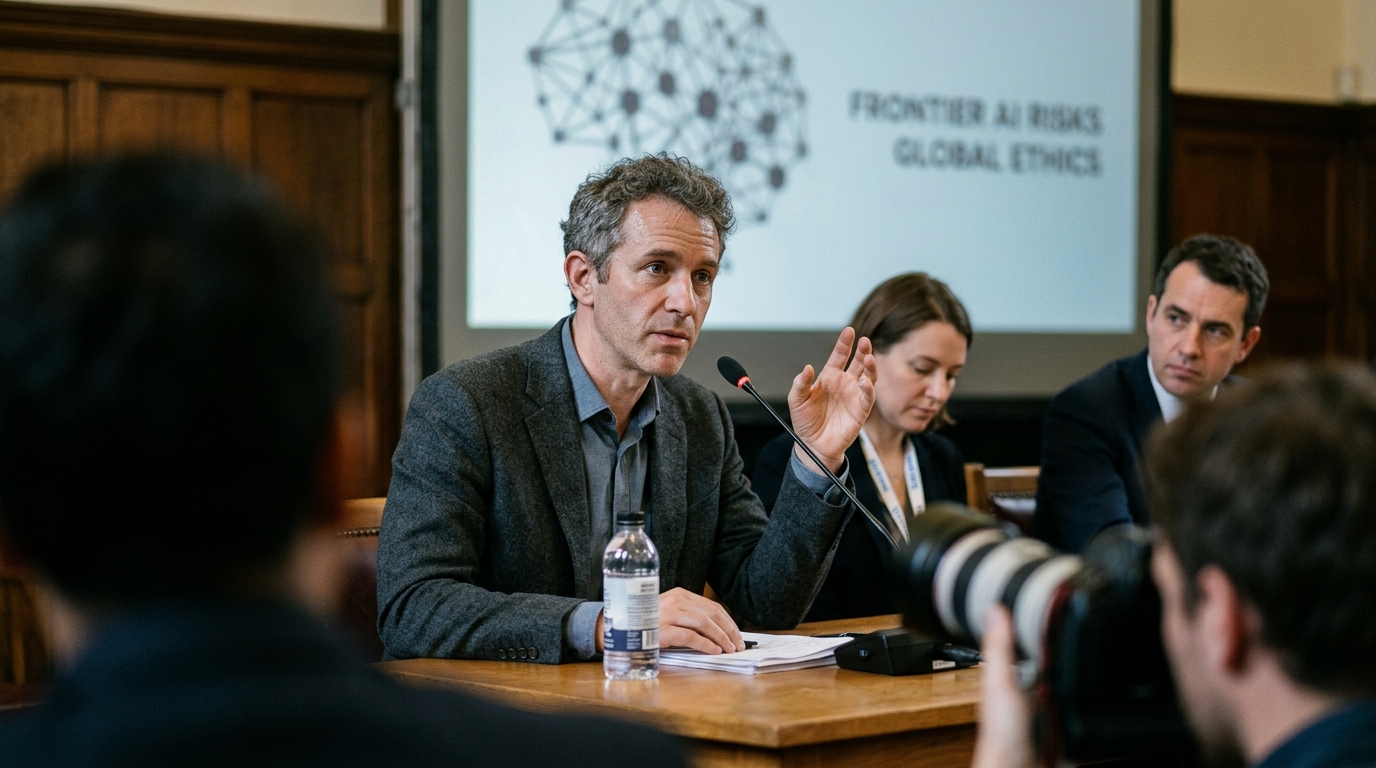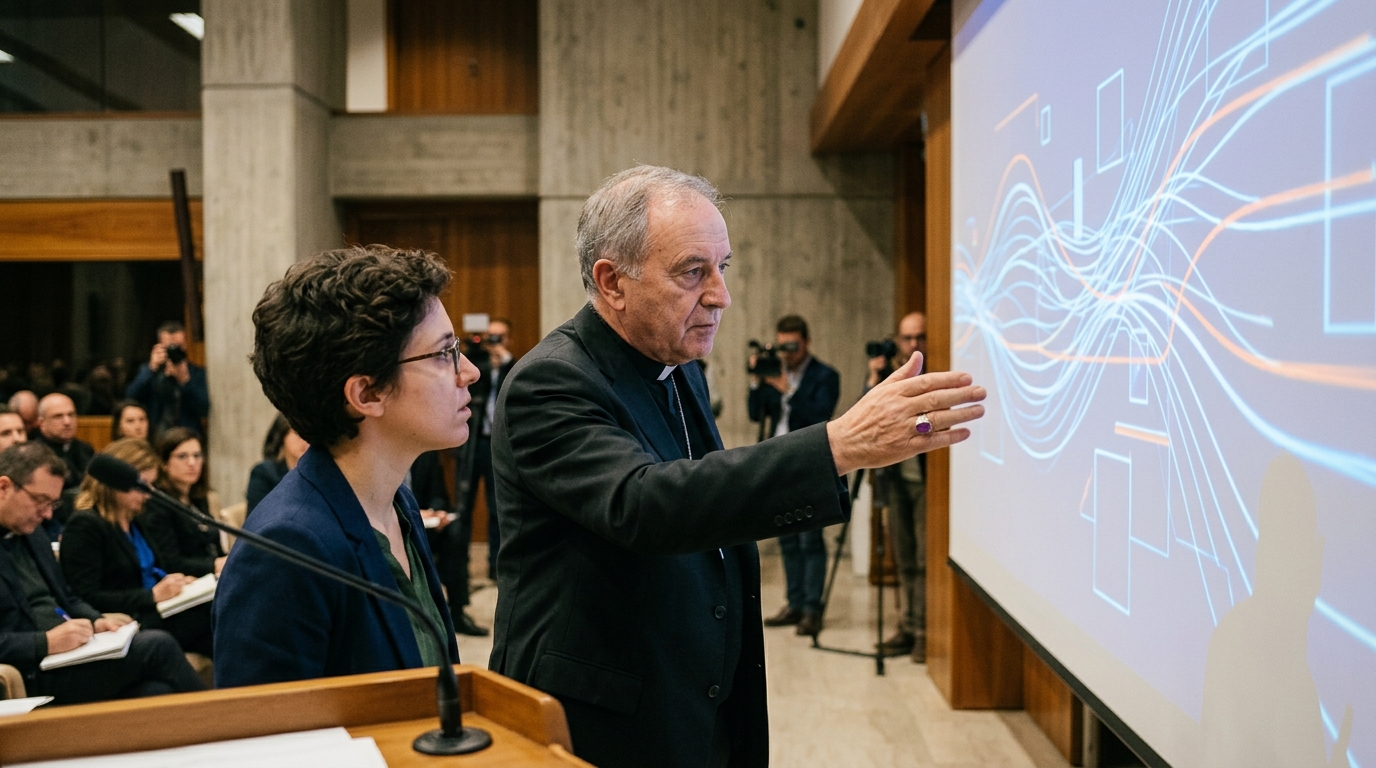
In an era where technological advancement often outpaces our moral vigilance, the Vatican is emerging as an unexpected yet potent regulator of the digital age. Pope Leo, through a series of interventions that have recently reached a crescendo, has placed the issue of 'disarming' Artificial Intelligence (AI) at the heart of the global agenda. This is not merely a religious appeal, but a profound political and philosophical analysis of the risks inherent in the unchecked use of algorithms.
The Concept of 'Algor-ethics'
The term 'algor-ethics,' introduced by the Holy See, forms the bedrock of the Pope's stance. According to Pope Leo's vision, AI should not be viewed as a neutral tool, but as a force carrying intrinsic values and biases. The Pontiff argues that unless we infuse ethical principles into the very code of these systems, we risk creating a society where decisions regarding life, death, and human dignity are made by opaque mathematical models.
The Vatican's concern is centered on the 'dehumanization' of decision-making. When an algorithm determines who is eligible for a bank loan, who is deemed a suspect by authorities, or who should receive medical care, human judgment is sidelined. Pope Leo emphasizes that compassion, contextual understanding, and moral responsibility are qualities that no machine can fully replicate.
Disarming Lethal Machines
The most pressing point of the Pope's call concerns Lethal Autonomous Weapons Systems (LAWS). The use of AI in armed conflict, where machines can select and engage targets without human intervention, represents a red line for the Church. The Pope uses the term 'disarm' not only in the literal sense of removing weaponry but also in the metaphorical sense of stripping power from systems that lack a moral conscience.
- The necessity for permanent human oversight (Human-in-the-loop) in every military decision.
- The prohibition of algorithms that target based on racial or social characteristics.
- Transparency in the procurement of AI-based defense equipment.
The Pope warns that war, if left to AI, will become even more impersonal and dangerous, as the speed of algorithms could lead to escalations that no human would have time to intercept. 'Digital peace,' as he calls it, requires international treaties that limit the autonomy of machines on the battlefield.
Social Justice and Digital Exclusion
Beyond warfare, Pope Leo turns his attention to the social inequalities widened by AI. In his encyclical, he refers to the danger of an 'algorithmic dictatorship' that marginalizes the already vulnerable. Algorithms are often trained on data that reflect historical injustices, resulting in the reproduction and amplification of discrimination against the poor, migrants, and minorities.
"Technology must serve humanity, not classify it into categories of worth," the Pope stated in a recent address at the Vatican.
His proposal includes the creation of a global AI oversight body, modeled after the International Atomic Energy Agency. The goal would be to ensure that AI is used to solve humanity's great problems, such as climate change and hunger, rather than serving as a tool for surveillance and mass manipulation.
The Future of Humanity in the Age of Machines
Pope Leo's struggle is not a battle against progress, but a battle for the preservation of the human essence. As AI becomes increasingly integrated into our daily lives, the question posed by the Vatican is fundamental: What does it mean to be human in a world governed by data? The answer, according to the Pontiff, lies in solidarity and the recognition of the sanctity of human life—elements that no code can encode. 'Disarming' AI is, ultimately, the act of returning the keys to our future into human hands.