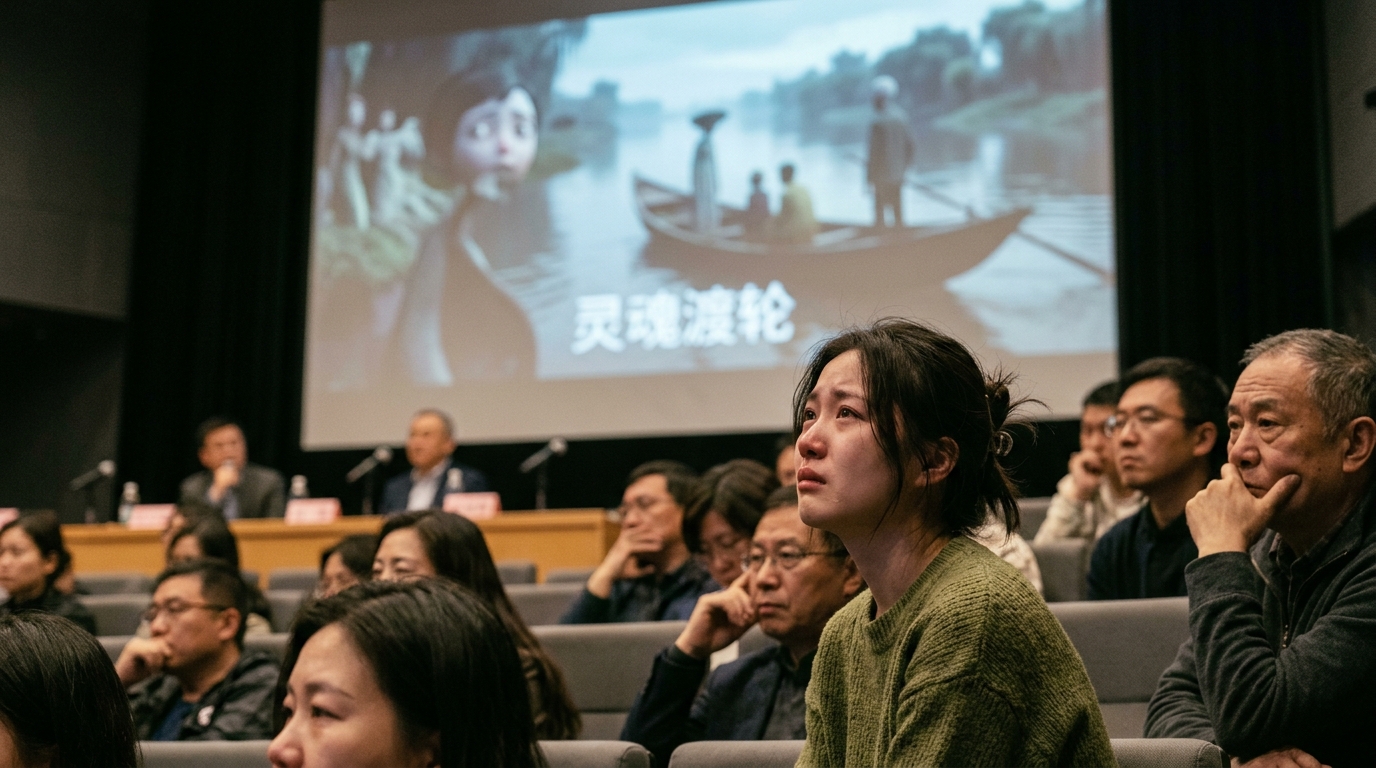
In the heart of China’s digital landscape, a new controversy has ignited, bringing the collision between technological advancement and artistic authenticity into sharp focus. The news that the popular supernatural mystery series 'Soul Ferry' (灵魂摆渡) is set to receive a cinematic sequel generated entirely by Artificial Intelligence has not been met with the enthusiasm iQiyi’s investors might have hoped for. Instead, Weibo—China’s equivalent to X—has been flooded with criticism, reflecting deep-seated anxieties about the future direction of the entertainment industry.
The Rise of AI Cinema in the East
China is no stranger to Artificial Intelligence. With video generation models like Kling and Vidu directly competing with OpenAI’s Sora, the Asian superpower is at the forefront of generative AI. However, applying this technology to a beloved franchise like 'Soul Ferry' represents a bold and risky experiment. The series, which delves into metaphysics and the connection between the living and the dead, boasts a dedicated fanbase that prizes the performances and the atmospheric storytelling above all else.
iQiyi, often dubbed the 'Netflix of China,' is searching for ways to slash the massive production costs associated with period dramas and fantasy epics. AI promises a drastic reduction in overhead by eliminating the need for large crews, expensive physical sets, and, in some cases, the actors themselves. Yet, this economic efficiency seems to be hitting a wall of human aesthetic preference.
The Uncanny Valley and Lost Authenticity
Public reaction on social media has centered on two main pillars: aesthetics and ethics. Many viewers who previewed the initial AI-generated snippets cited the 'uncanny valley' effect—where digital representations of humans are realistic enough to be unsettling but not perfect enough to be convincing. 'How can a machine convey the complexity of the human soul in a series literally called "The Ferry of Souls"?' one user asked, garnering thousands of likes.
Furthermore, the fear of displacement among industry professionals is palpable. In China, the entertainment sector is a vital source of employment for thousands of artists, technicians, and writers. The shift toward AI-driven production threatens to transform cinema from a collaborative human endeavor into an automated data-processing task. Bloomberg analysts point out that if iQiyi succeeds, the model will be rapidly emulated, fundamentally altering the labor landscape of the cultural sector.
Regulatory Gaps and Intellectual Property
The 'Soul Ferry' case also highlights gaps in China’s regulatory framework regarding intellectual property in the age of AI. Although China has introduced strict rules for watermarking AI-generated content, the use of actors' likenesses and voices to train models remains a legal gray area. Fans fear that the characters they love will become 'digital puppets' without the consent or creative input of the original creators.
“Technology should be the brush, not the painter,” a prominent Chinese film critic stated. “When AI takes the director’s chair, the result isn't art; it’s statistics.”
Despite the backlash, the industry appears undeterred. Investors view AI as the solution to stagnant subscription growth and the insatiable demand for fresh content. The gamble for iQiyi is whether they can refine the technology enough to overcome public resistance or if they will trigger a decline in quality that alienates their core audience.
The Future of Storytelling
The question is no longer whether AI will be used in filmmaking, but to what extent. China’s current situation serves as a laboratory for the rest of the world. If an AI-generated film achieves commercial success despite initial outcries, it will pave the way for an era of 'algorithmic entertainment.' Conversely, if it fails spectacularly, it may confirm that certain aspects of the human experience remain beyond the reach of any processing power.
Regardless of the outcome, 'Soul Ferry' has become a symbol of an era where the line between creator and code is increasingly blurred. The battle raging on the Chinese internet is merely the opening chapter of a global debate over what constitutes the 'soul' of a work of art.