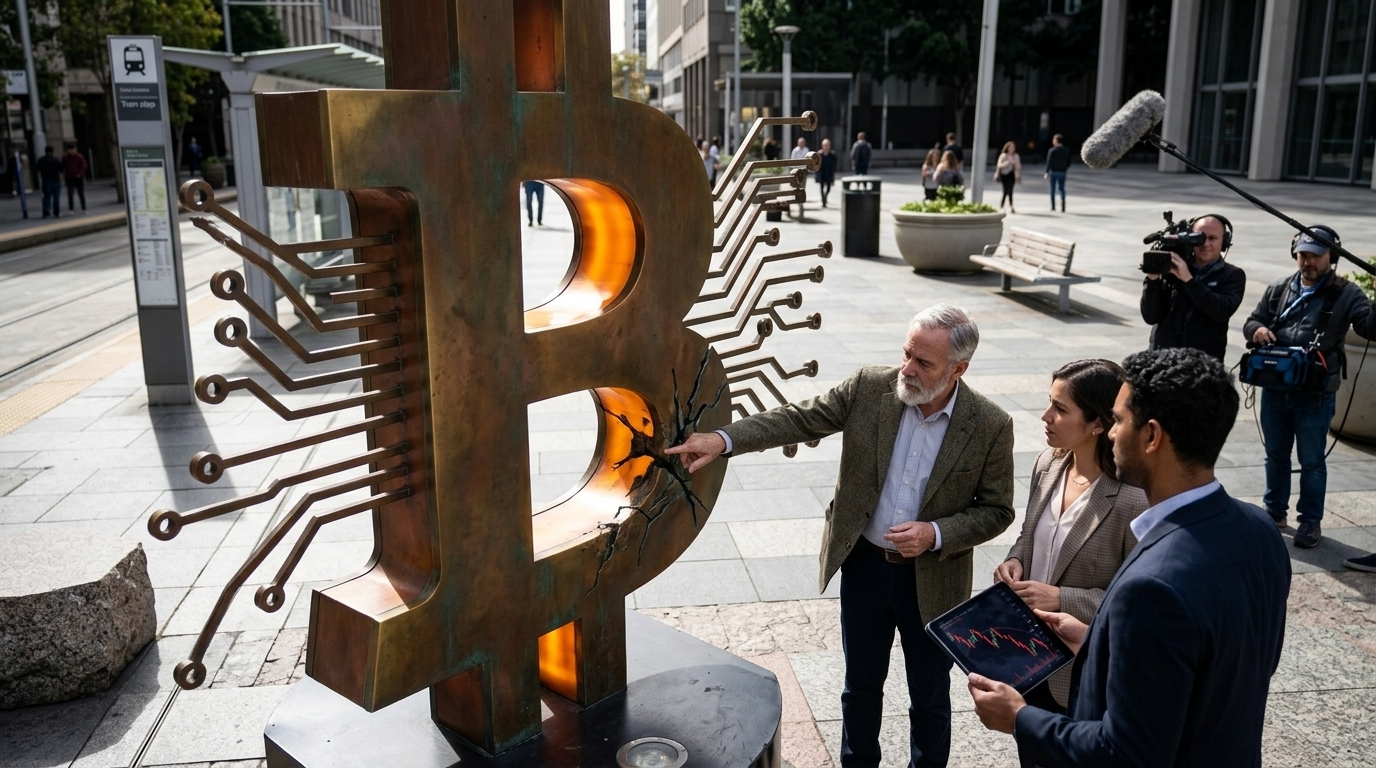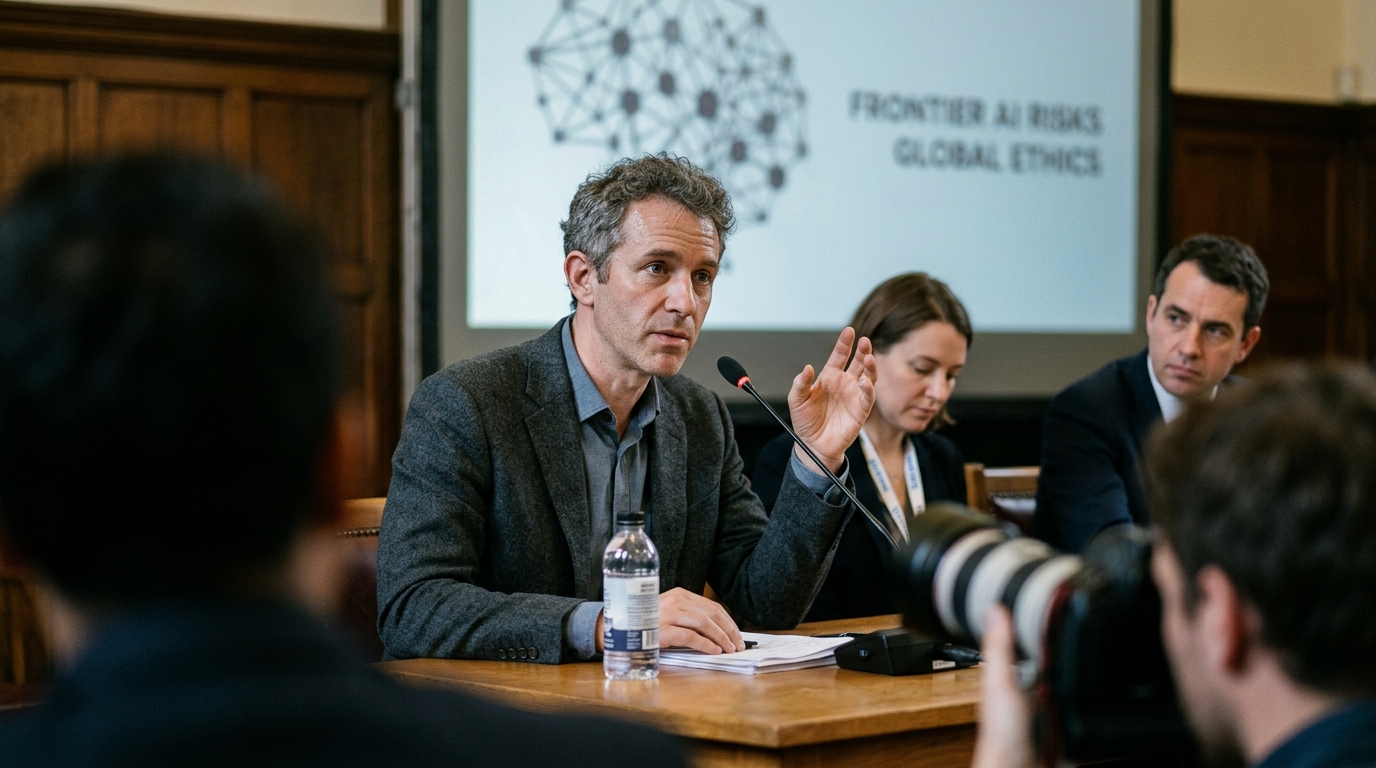
In the corridors of Silicon Valley and the policy halls of Washington and Brussels, a new lobbying force has gained disproportionate influence: the so-called "AI Doomers." These harbingers of catastrophe argue that Artificial Intelligence is not merely a tool, but an existential threat to humanity, comparable to nuclear war or a global pandemic. However, a closer look—as highlighted by recent reporting from Gizmodo—reveals that this rhetoric of fear may be just as dangerous as the technology it seeks to restrain.
From Science Fiction to Policy Reality
The notion that a superintelligent machine could decide to exterminate the human race is not new; it has been a staple of Hollywood for decades. Yet, in the last two years, this idea has migrated from cinema screens to serious tech conferences. Figures like Eliezer Yudkowsky, a leading voice in this school of thought, have gone as far as suggesting the bombing of data centers that violate safety limits. What was once considered fringe is now influencing major legislation, such as California’s SB 1047 bill.
The problem with this approach is its reliance on unproven future assumptions. By focusing on "Terminator-style" scenarios, Doomers sideline the very real risks we face today: the erosion of privacy, algorithmic bias, job displacement, and the spread of misinformation. When the conversation centers on whether AI will kill us all in 20 years, it becomes far too easy to ignore how AI is currently used to deny mortgages to minorities or create life-ruining deepfakes. The "fire" being played with is the redirection of public attention away from corporate accountability.
The Effective Altruism Connection and Vested Interests
Behind the Doomer movement often lies the philosophy of Effective Altruism (EA). This movement, heavily funded by tech billionaires, aims to maximize global good through logic. In the context of AI, EA has adopted a "longtermist" perspective that prioritizes the survival of trillions of potential future humans over the immediate problems of those living today. This logic provides a convenient shield for large corporations to present themselves as "saviors of humanity," calling for strict regulations that only they have the resources to implement.
Herein lies the irony: the very people sounding the alarm are often the ones investing billions into developing these systems. By creating a shroud of mystery and dread around AI, Big Tech manages to erect barriers to entry for smaller competitors and open-source projects. If AI development is treated as being as dangerous as uranium enrichment, only a handful of giants will be licensed to continue. This isn't safety; it’s a moat. It is regulatory capture disguised as existential concern.
The Trap of Regulatory Capture
The rhetoric of "existential risk" serves as the perfect distraction. When lawmakers are tasked with deciding the future of technology, Doomers present them with apocalyptic scenarios that demand immediate, drastic action. This often leads to policy being written by and for the companies that are supposed to be regulated. The focus on "safety" frequently replaces the necessary dialogue on "accountability."
Furthermore, this approach is playing with fire on a geopolitical level. Adopting an extreme defensive posture in the West could trigger a new "digital cold war," where the need for safety is used as a pretext to limit the free exchange of knowledge and technology. History has taught us that fear is a poor advisor for legislation. Artificial Intelligence needs a framework, ethics, and oversight, but these must be grounded in the data of the present, not the nightmares of the future.
Conclusion: Balancing Innovation and Sanity
The challenge for our society is to decouple the need for safe AI from the hysteria of the Doomers. We must demand transparency from AI labs and responsibility from corporations—not because we fear a robot uprising, but because we want technology that serves democracy and equality. Playing with the fire of fear risks burning down innovation and freedom, leaving us at the mercy of a few "enlightened" tech leaders who claim to be saving us from a danger they themselves are building.
"The greatest danger of AI isn't that it will rebel against us, but that we will use the fear of it to surrender our agency to those who control it."