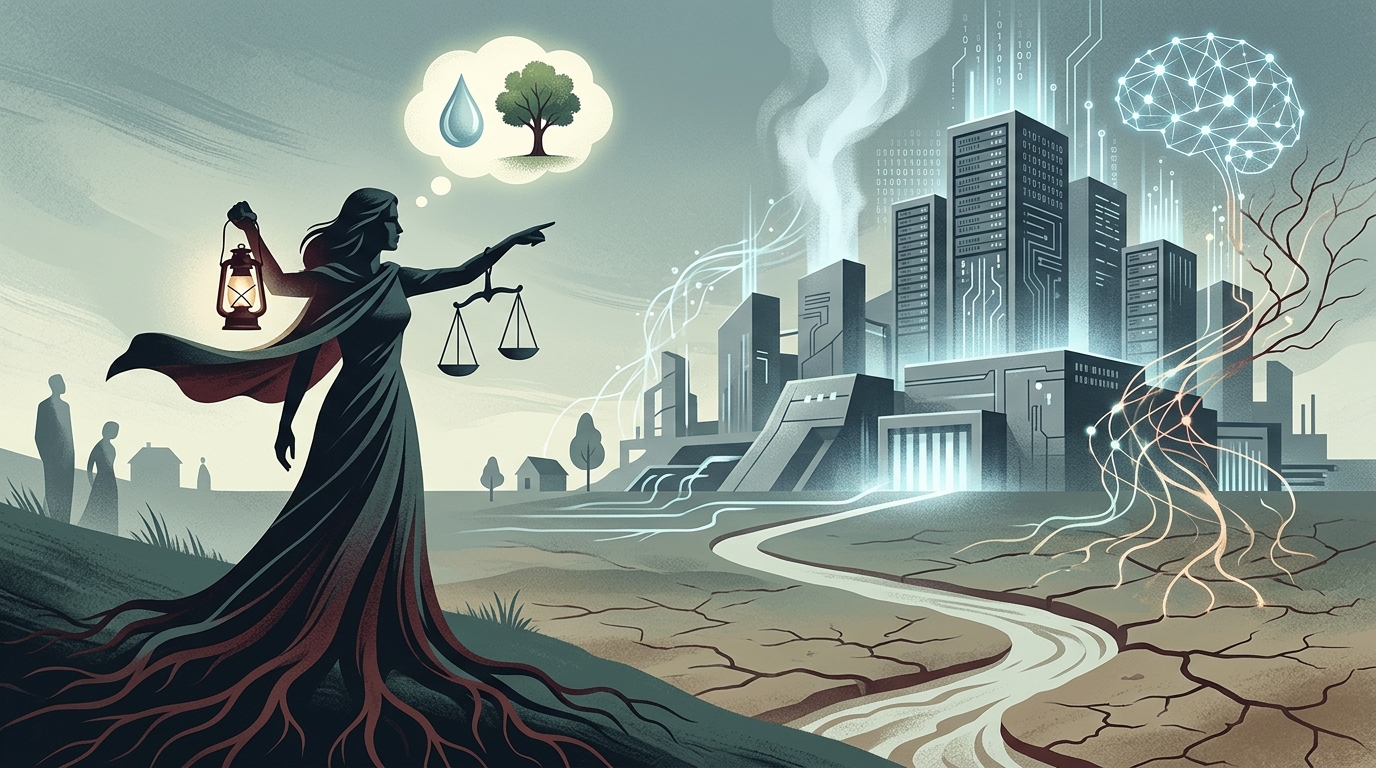
In the 21st century, the adage that "knowledge is power" has undergone a radical and disturbing mutation. Today, knowledge of human behavior is not just power; it is the most valuable commodity in the world. As we navigate 2026, the term "surveillance capitalism," coined by Shoshana Zuboff, is no longer a dystopian prediction but the dominant economic reality, amplified by the exponential growth of Artificial Intelligence (AI).
The Mechanism of Digital Extraction
The system operates on a simple yet terrifying logic: human experience is considered free raw material that is translated into behavioral data. While some of this data is used to improve services, the rest is declared a "behavioral surplus." This surplus is fed into advanced machine learning algorithms—so-called "intelligence factories"—that build predictive models of what we will do now, soon, and later.
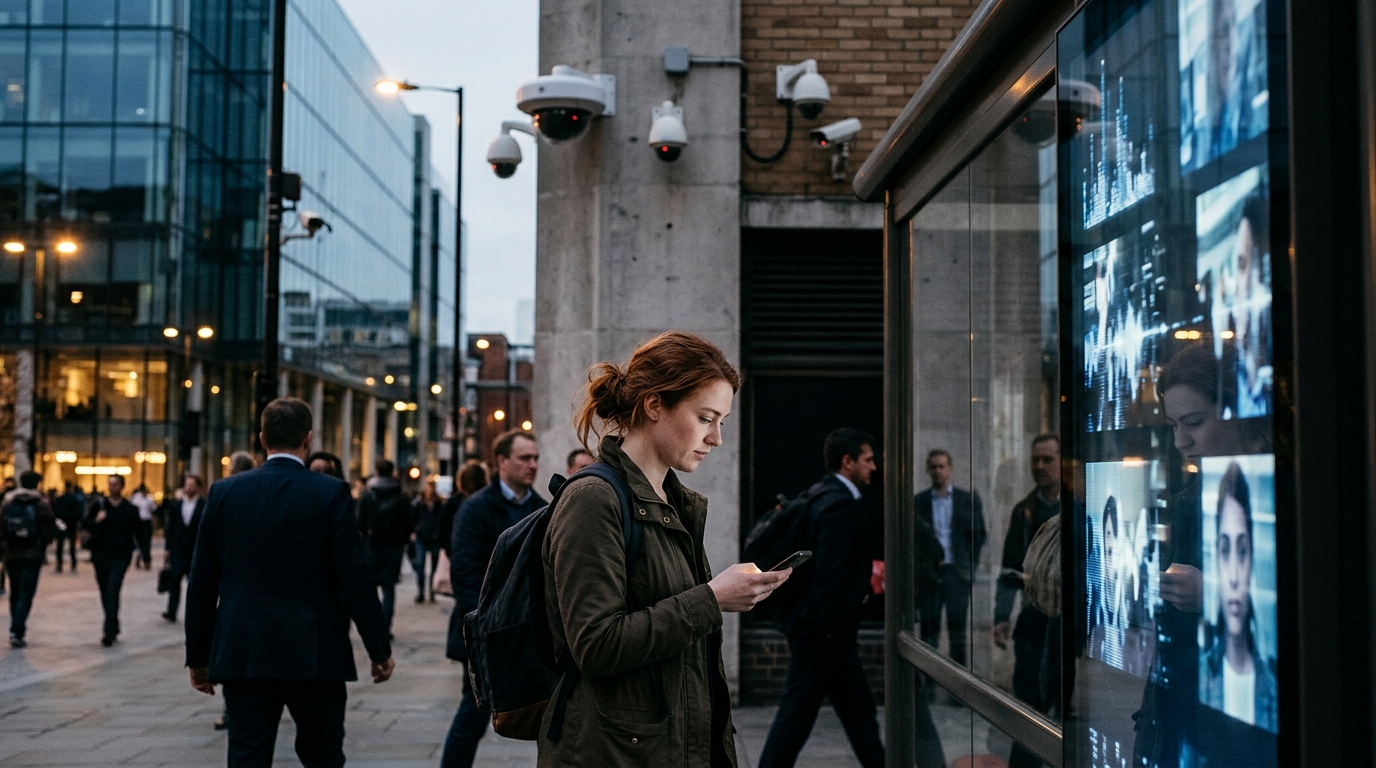
AI has changed the scale and speed of this process. Previously, monitoring was limited to our clicks on the internet. Today, through "smart" devices, wearables, and city sensors, surveillance has invaded our physical space. From our breathing rate recorded by a smartwatch to our facial expressions on a security camera with emotion analysis capabilities, everything is archived.
From Prediction to Modification
The most worrying stage of surveillance capitalism is not simple monitoring, but "behavior modification." Algorithms are not limited to predicting our future; they try to shape it. Through personalized notifications, targeted advertisements, and "nudges," the system directs us toward specific purchasing or political decisions, often without us realizing it.
- Workplace Electronic Monitoring: AI analyzes employee productivity in real-time, creating an environment of constant stress.
- Biometric Logging: The use of facial and voice recognition turns our very bodies into passwords and data sources.
- Predictive Policing: Algorithms that "predict" crime, often reproducing social biases.
This process undermines human autonomy. When our choices are the result of algorithmic design, the concept of free will is called into question. Democracy itself is at risk, as privacy—the necessary sanctuary for the development of independent thought—is systematically eroded.
The Economic Imperative and Resistance
Why is this happening? The answer lies in profits. The companies that own this data have seen their valuations skyrocket. The ability to guarantee an advertiser or a political organization that a specific group of people will act in a certain way is the "holy grail" of the modern economy.
"Surveillance capitalism is not a technology, but a logic imposed on technology to serve capital accumulation," industry analysts state.
However, there is hope. Legislation, such as the European Union's AI Act, attempts to set limits. But laws often lag behind technology. Real change requires a new digital ethic and the realization that our data is not just numbers, but the very essence of our lives. We must reclaim our "right to the future," away from the suffocating control of algorithms.