The climate crisis has transformed Mediterranean summers into a state of perpetual emergency. As traditional firefighting methods reach their limits, technology offers a new line of defense, not from the ground, but from Earth's orbit. Giannis Lantouris, a key figure at OroraTech, is at the heart of this revolution, proving that space is no longer a field of abstract research but a critical tool for the survival of our ecosystems.
OroraTech, a company founded with the vision of providing real-time data on wildfires, has successfully combined the cutting edge of aerospace engineering with artificial intelligence. At the core of its strategy are CubeSats—shoebox-sized microsatellites—equipped with sophisticated thermal sensors. This approach radically changes the civil protection paradigm, shifting the focus from suppression to early prevention and lightning-fast detection.
The Technology Behind 'Smart' Surveillance
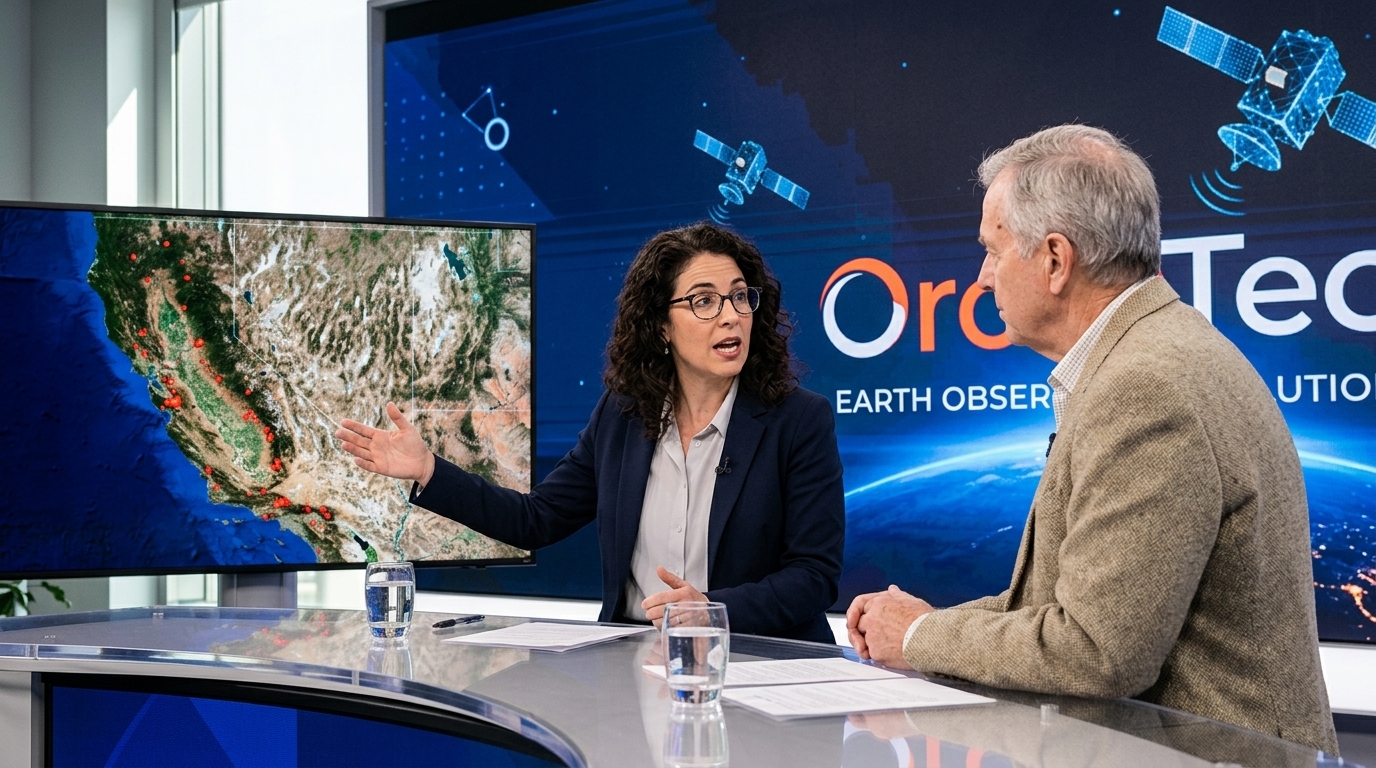
The primary issue with traditional satellites, such as those from NASA or the EU's Copernicus program, is the frequency of data acquisition. Often, information about a fire outbreak arrives with a delay of several hours, by which time the front has already become uncontrollable. OroraTech bridges this gap by creating a constellation of satellites that offer continuous coverage. As Lantouris explains, the innovation lies not only in the sensors but also in 'edge processing'.
Instead of the satellite sending massive amounts of raw data back to Earth for analysis, the AI embedded within the satellite itself filters the information in real-time. It distinguishes between a sun reflection, a warm cloud, and an actual fire outbreak. Within minutes of detection, an alert reaches command centers, allowing firefighting forces to intervene before the fire gains its own momentum.
- Utilization of thermal infrared radiation for detection in low-visibility conditions.
- Automated data analysis via machine learning algorithms.
- Reduction of response time from hours to under 30 minutes.
- Provision of risk maps based on historical data and drought levels.
Greece as a Hub for the Space Economy
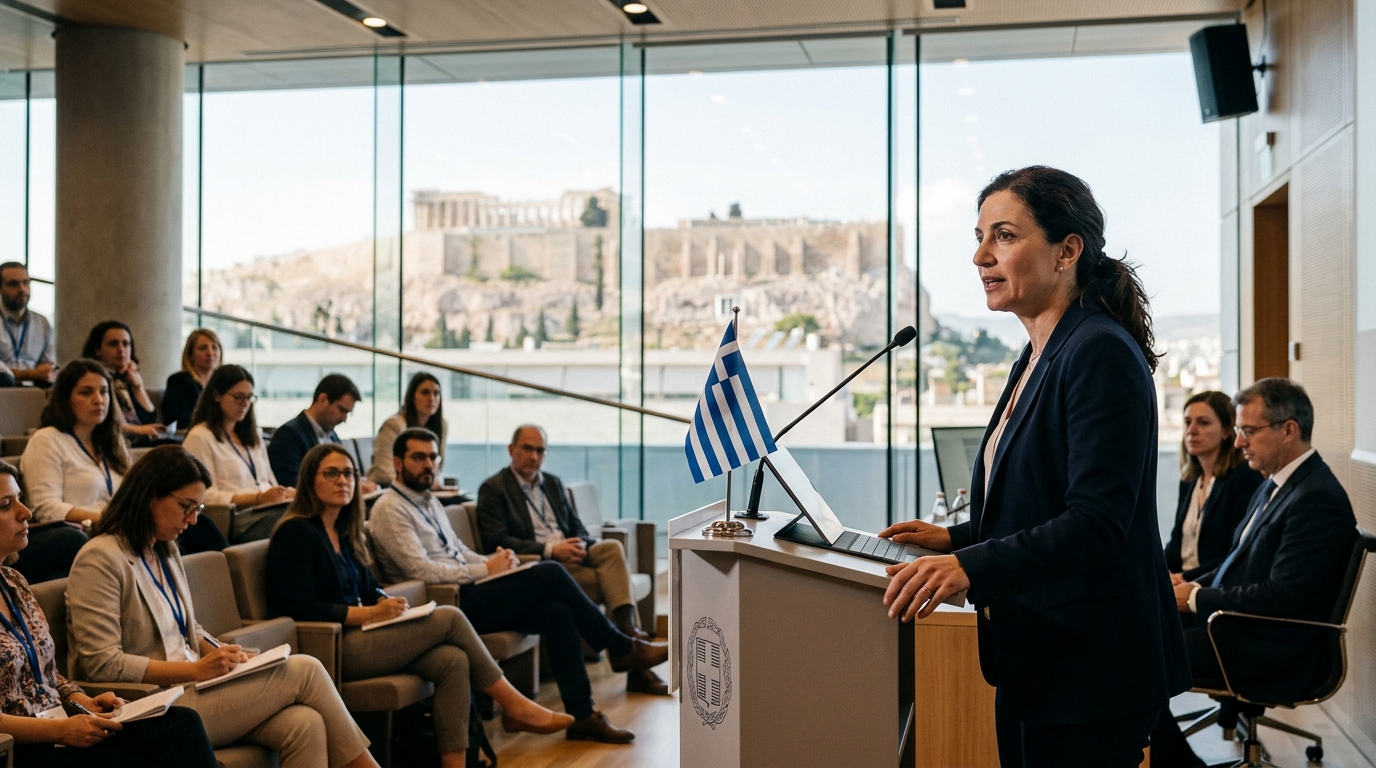
For Greece, collaborating with companies like OroraTech is part of a broader strategy to develop the domestic space industry. The 'AEGIS' program, worth billions of euros, aims to modernize civil protection using cutting-edge technologies. Giannis Lantouris emphasizes that Greece possesses the scientific talent to lead in this sector, turning the need for protection into an opportunity for economic growth.
Establishing infrastructure and transferring expertise to Greece allows for the creation of an ecosystem where startups and research centers collaborate to solve local problems with global impact. Wildfire management is just the beginning. The same satellites can be used for monitoring marine pollution, precision agriculture, and water resource management—sectors vital to the Greek economy.
"Space is no longer a luxury, but a necessity for fortifying our society against the challenges of the future," notes Lantouris.
Challenges and the Future of Prevention
Despite technological advancements, challenges remain. Managing the vast volume of data requires robust cloud infrastructure and close cooperation between the private and public sectors. Furthermore, technology alone is not enough if it is not accompanied by a shift in forest protection philosophy. OroraTech acts as a power multiplier, providing eyes in the sky, but the ultimate battle is always fought on the ground.
Looking to the future, the integration of AI-based predictive models will allow authorities to forecast a fire's path with meter-level precision, accounting for wind, topography, and fuel load. Giannis Lantouris and his team are already working on this next generation of tools, aiming to make catastrophic wildfires a phenomenon we can control, if not eliminate entirely.
In conclusion, the trajectory of OroraTech and the work of Giannis Lantouris highlight a new form of patriotism: one of innovation and contribution through science. In a world on fire, the answer may ultimately lie in the stars—or at least in the small, smart satellites orbiting above us, watching over our shared home.