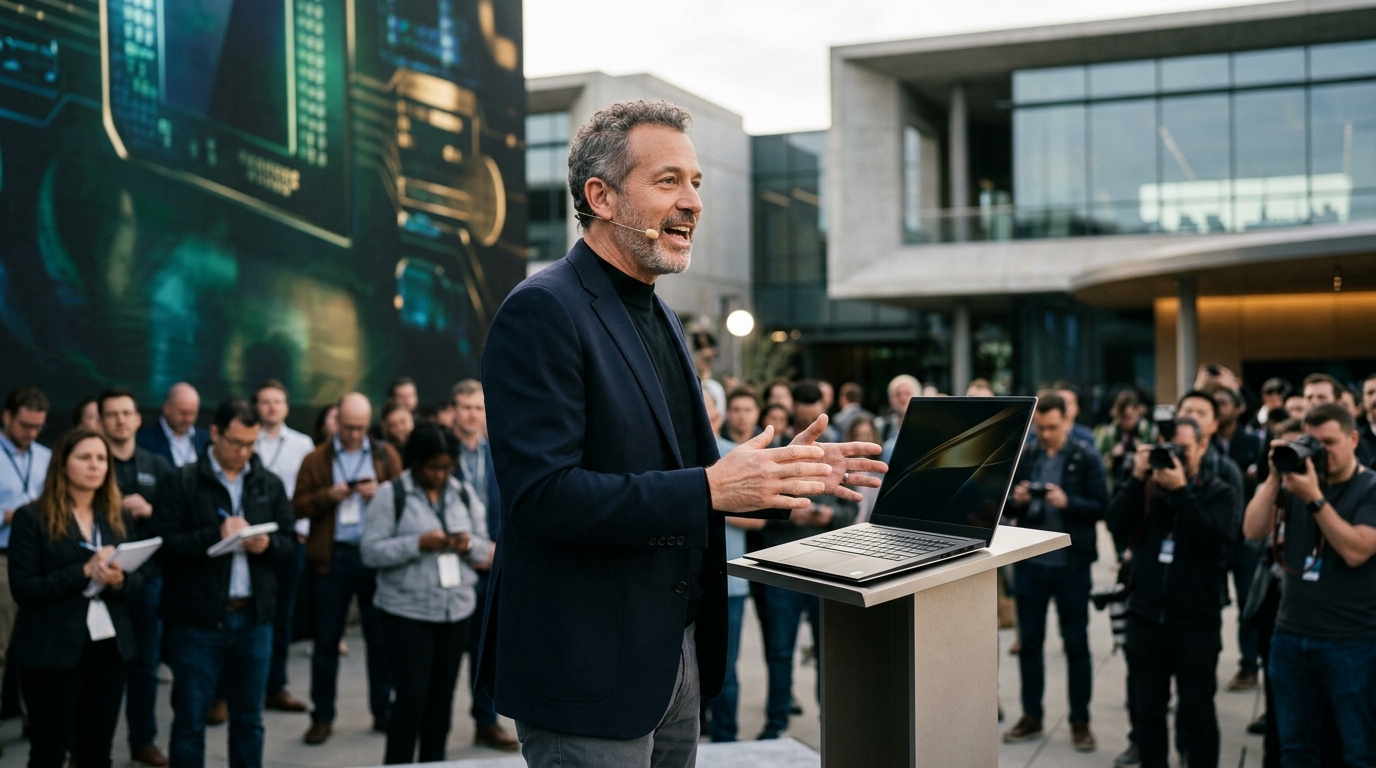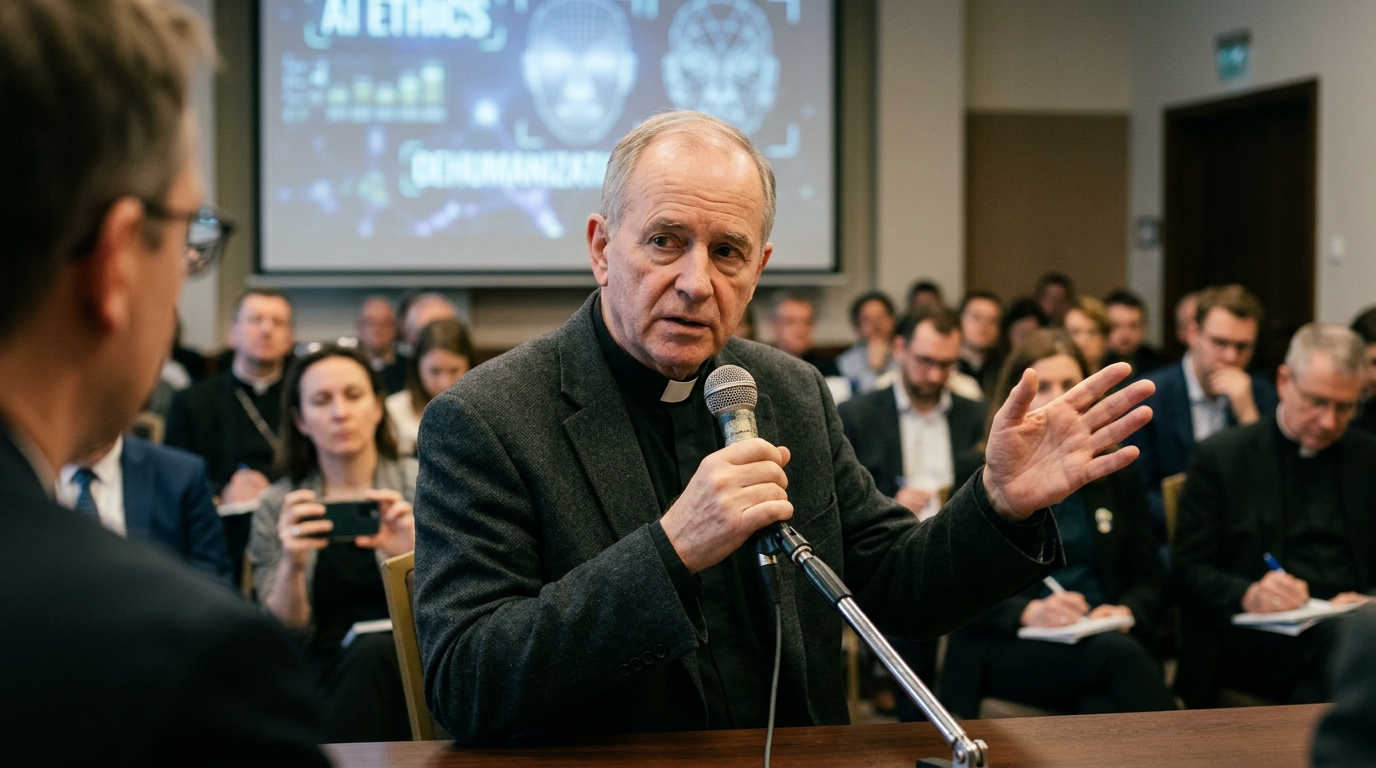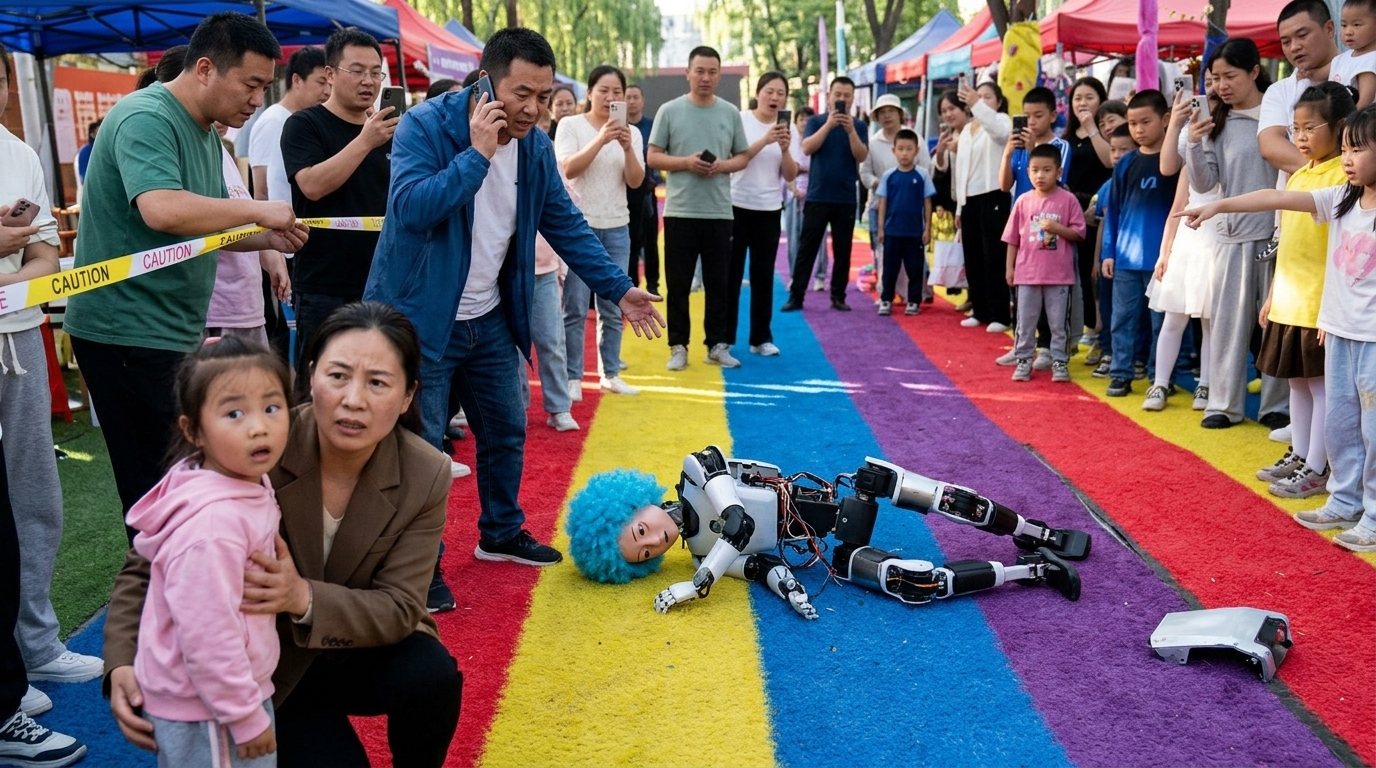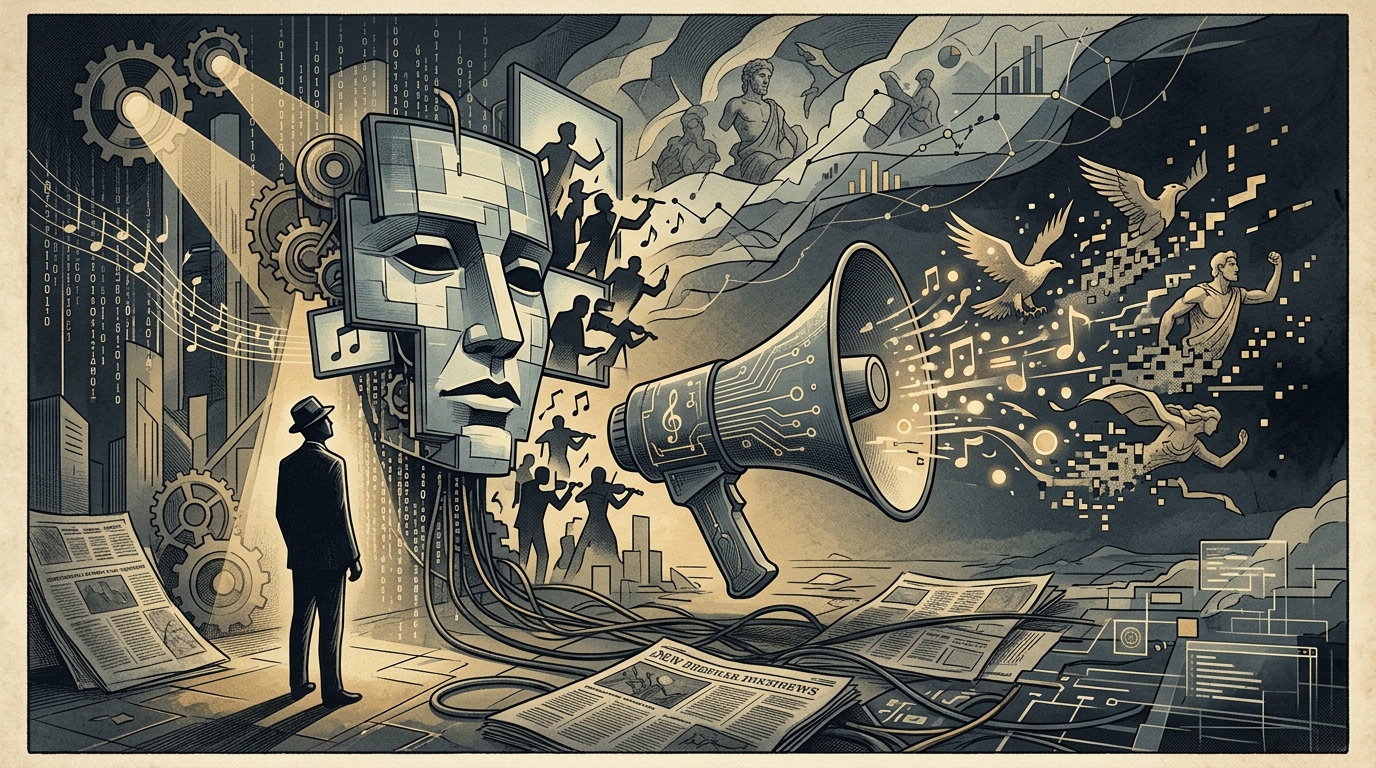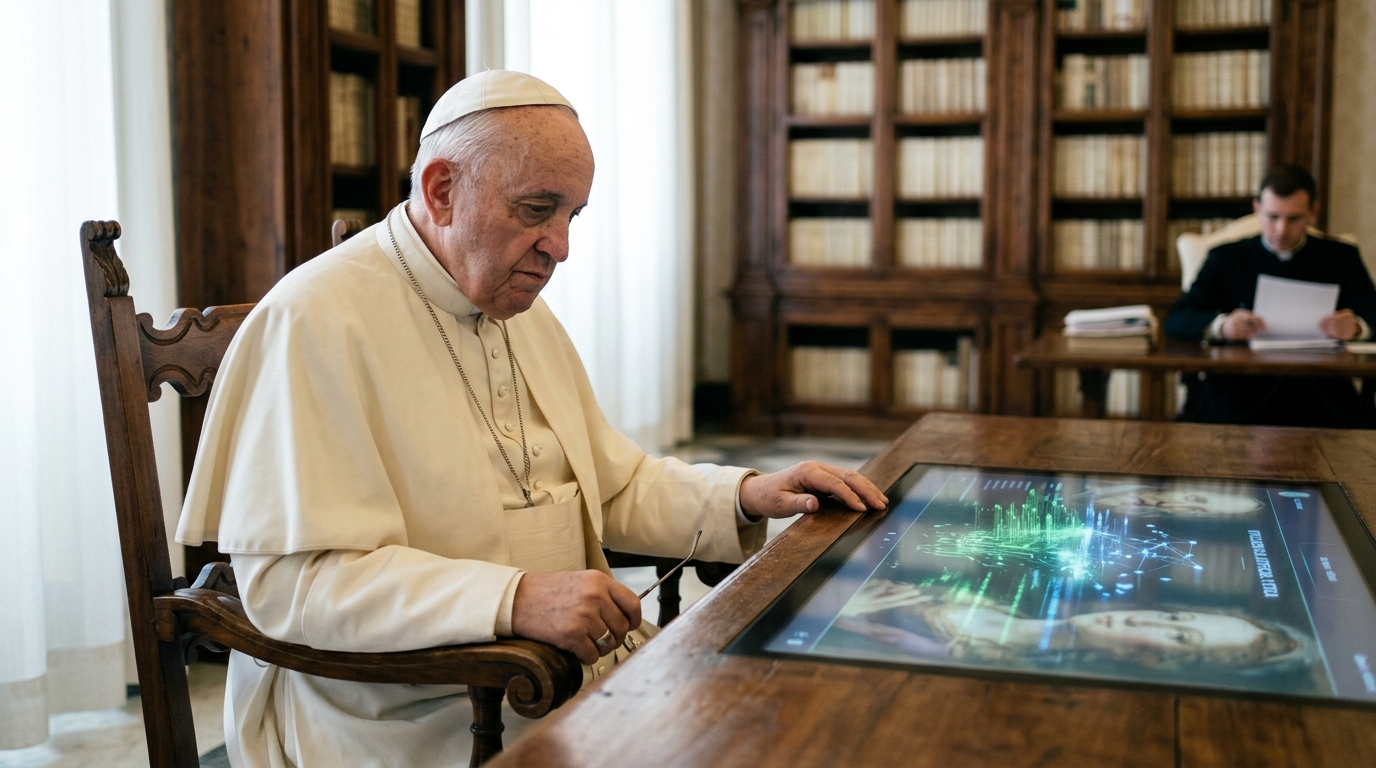
In an era where silicon and algorithms are reshaping the very fabric of reality, the Catholic Church is attempting to define the boundaries between progress and spiritual integrity. Pope Leo, in an upcoming address expected to set the Vatican's stance for decades to come, is preparing to issue a global call for the protection of human dignity in the age of Artificial Intelligence (AI). This move is not merely a religious intervention, but a profound political and ethical positioning against the unchecked power of tech giants.
The Concept of 'Algor-ethics'
The Vatican, under the guidance of Pope Leo, has introduced the term 'Algor-ethics,' a concept suggesting that ethics must be embedded into the very code of AI systems. According to sources close to the Holy See, the Pontiff will argue that technology is never neutral. Every line of code carries the biases, values, and ambitions of its creators. The Pope's concern focuses on the risk that if AI is left to operate solely on criteria of profit and efficiency, we risk turning human beings into a mere 'dataset,' stripped of the sanctity of their existence.
"Technology is for man, not man for technology. We must ensure that the machine remains a tool and does not become the new oppressor of human conscience," the Pope is expected to declare.
This intervention comes at a time when the European Union and the United States are struggling to establish regulatory frameworks. Pope Leo appears to be seeking the role of a moral guarantor, reminding legislators that beyond economic indicators, there is a need for a 'human-centric' approach.
Social Justice and the Digital Divide
One of the central pillars of his speech will be the impact of AI on social inequalities. Pope Leo is concerned that automation and Generative AI could widen the gap between the rich and the poor, both at the level of nations and individuals. When algorithms decide who is eligible for a loan, who gets hired, or who receives medical care, marginalized groups risk being further excluded by a system that lacks empathy.
- The loss of jobs in traditional sectors and the need for a new social contract.
- The use of AI in warfare (autonomous weapons) as a moral red line.
- The protection of personal data as a fundamental right of human freedom.
- Combating disinformation that erodes democracy and social cohesion.
The Pontiff is expected to call on governments to invest in education and the retraining of workers, ensuring that 'digital dividends' do not lead to a new form of servitude. For Pope Leo, progress that leaves the weakest behind is not true progress, but a form of regression.
The Existential Challenge: Machine and Spirit
Beyond the social and economic implications, Pope Leo tackles the deeper question: what does it mean to be human? In a world where machines can write poetry, create art, and simulate human emotions, the distinction between spirit and computational power becomes blurred. The Vatican maintains that human consciousness and the capacity for moral judgment are gifts that cannot be replicated by any processor.
The speech will emphasize the need for 'wisdom' over mere 'information.' AI can process trillions of data points in seconds, but it cannot understand pain, love, or self-sacrifice. The Pope will warn against the idolatry of technology, where humanity places its hope for salvation in machines, forgetting the need for internal spiritual cultivation.
Conclusion: A Call for Cooperation
In closing, Pope Leo is expected to propose a global summit on AI ethics, involving not only religious leaders and politicians but also the architects of the technology themselves. His message is clear: Artificial Intelligence is a great opportunity, but also an existential risk. The outcome depends on whether we choose to govern technology or allow technology to govern us. Human dignity must remain the non-negotiable foundation upon which our digital future is built.