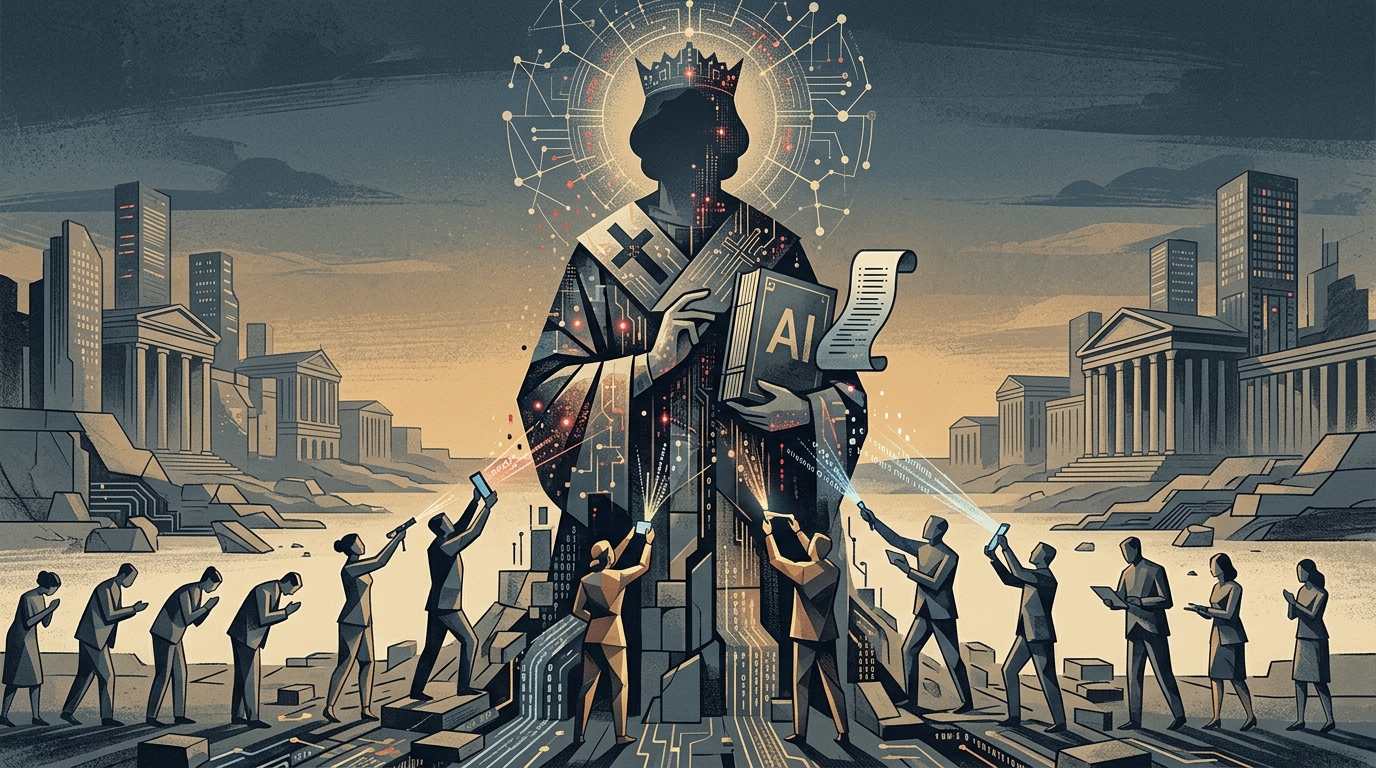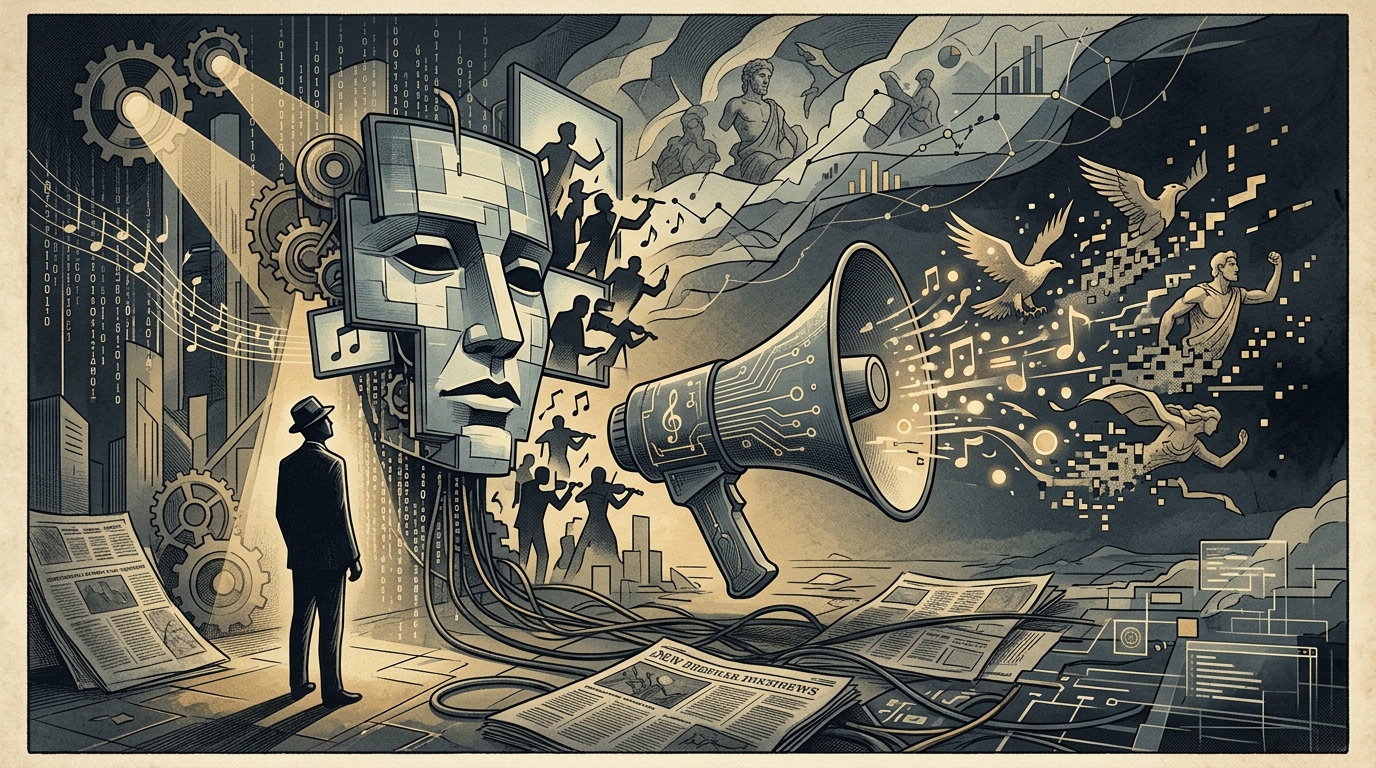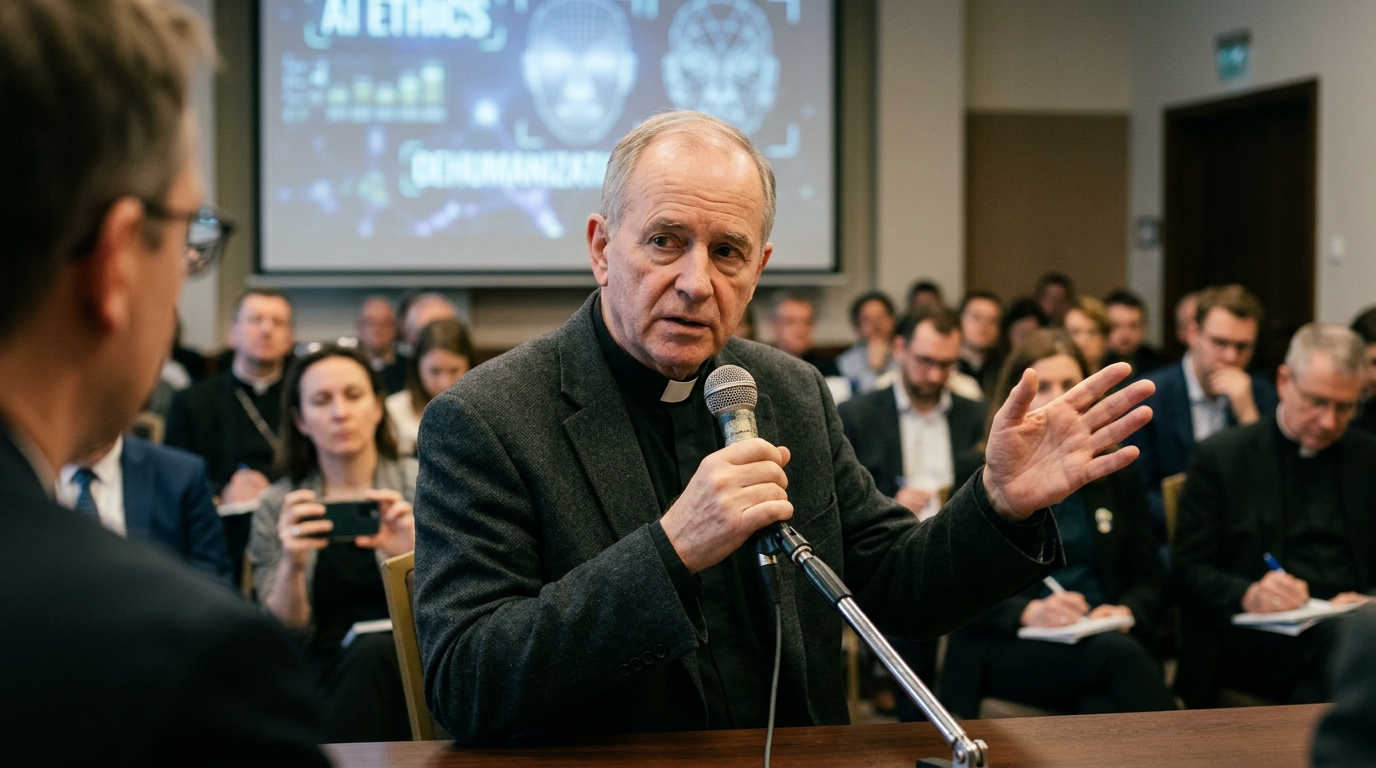
In an era where technological advancement is frequently conflated with human progress, the recent intervention by Pope Leo, as highlighted by the Dallas News, serves as a profound disruption to the narratives of Silicon Valley and global political circles. The warning is both clear and resonant: Artificial Intelligence (AI), if left unchecked, risks dehumanizing our society by reducing sacred human relationships to mere algorithmic computations. This stance is far from a simple technophobic reaction; it is a sophisticated philosophical and ethical critique of how technology is reshaping the very essence of existence.
The Rise of 'Algorethics' and the Ethical Crisis
The Pope introduced the concept of "Algorethics," arguing that ethics must be embedded into the very code of AI systems. The core argument is that technology is never neutral. Every line of code carries the values, biases, and priorities of its creators. When decisions regarding justice, healthcare, labor, and social welfare are outsourced to the "black boxes" of algorithms, human judgment is sidelined. This, according to the Vatican, leads to a gradual erosion of empathy. Society risks being transformed into a set of data points to be processed, rather than a community of persons with inherent dignity.
A primary concern is that AI could exacerbate existing inequalities. Algorithms trained on historical data containing biases can systematically exclude entire social groups from essential services. The Pope emphasizes that technology must serve humanity, not the other way around. "Dehumanization" begins when efficiency and profit are prioritized over moral responsibility and social justice. The delegation of moral agency to machines is a leap that the Vatican views with extreme caution.
The Loss of Human Connection in the Digital Age
One of the most alarming aspects of the warning concerns the substitution of human connection. As digital assistants and chatbots become increasingly sophisticated, there is a risk that we might begin to view these interactions as equivalent to human ones. Loneliness, one of the greatest plagues of the modern world, cannot be cured by an algorithm, no matter how "intelligent" it may be. Human connection requires vulnerability, understanding, and physical presence—elements that AI, by definition, lacks.
- AI can simulate compassion, but it cannot feel it.
- Decision-making based on statistical probabilities ignores the complexity of human destiny.
- The automation of labor may lead to a crisis of meaning for millions of workers.
- The concentration of power in a few tech giants threatens democratic participation.
The Need for International Regulatory Frameworks
Pope Leo does not stop at criticism; he calls for concrete action. He proposes the creation of an international regulatory framework to ensure that AI development follows human-centric principles. This framework must be more than just legal; it must be deeply ethical. Collaboration between religious leaders, scientists, and policymakers is essential to establish "red lines" in areas such as autonomous weaponry, mass surveillance, and AI-driven genetic modification.
"Technology is a gift from God, but it must be used to protect human dignity, not to destroy it," states the message conveyed by the Vatican.
In conclusion, the Pope's warning is a clarion call for awakening. In a world racing at breakneck speed toward full automation, preserving the "human spark" is the most critical challenge of the 21st century. Artificial Intelligence may be the tool that solves many of humanity's problems, but only if it is guided by a wisdom that transcends binary digits and code. We must ensure that the future remains a human one, where technology enhances our capabilities without replacing our conscience.