In an era where technology evolves at a pace that often outstrips our capacity for philosophical reflection, an unexpected voice has emerged as one of the most influential regulators of the moral order: Pope Francis. The Pontiff's engagement with Artificial Intelligence (AI) is not a mere reaction to current trends, but a profound, systematic effort to ensure that the "digital revolution" does not abandon the human essence.
The Emergence of 'Algor-ethics'
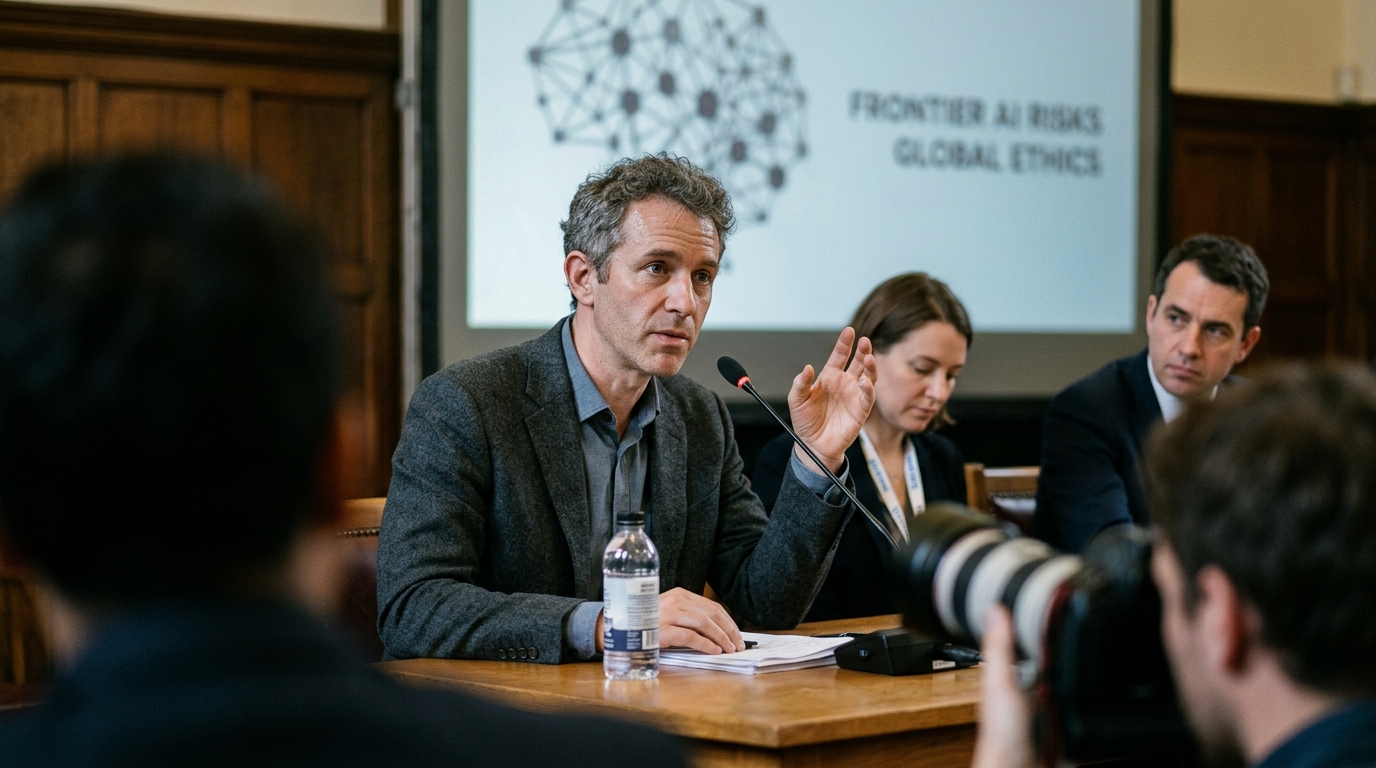
The term "Algor-ethics," coined by the Vatican, has become a central pillar of the international dialogue on AI. Pope Francis argues that algorithms are not neutral; they carry the values, biases, and priorities of their creators. In his historic address at the G7 summit—the first time a Pope has participated in such a forum—he emphasized that AI represents an "anthropological transformation." His concern focuses on the fact that decision-making is being transferred from humans to machines, potentially leading to a society where efficiency sacrifices mercy.
- The necessity for human oversight at every stage of algorithmic decision-making.
- Ensuring that AI is not used to marginalize the most vulnerable social groups.
- A total ban on autonomous weapon systems that lack human judgment.
Social Justice and the Digital Divide
For Francis, Artificial Intelligence is not just a matter of code, but a matter of justice. At the heart of his critique lies the risk of exacerbating global inequalities. If access to advanced AI remains the privilege of a few powerful nations and corporations, the gap between the rich and the poor will become unbridgeable. The Vatican promotes the "Rome Call for AI Ethics," an initiative signed by giants like Microsoft and IBM, committing to technology that serves humanity and the environment.
"We cannot allow an algorithm to determine the value of a human being or the fate of a life," the Pontiff stated, referring to social scoring systems and automated hiring processes.
The Challenge of Spirituality in the Digital Age
Beyond politics and economics, the Pope poses a deeper question: what does it mean to be human in a world where machines can mimic creativity and logic? The Church's position is that AI lacks a "heart" and a conscience—two elements essential for true wisdom. Technology must be a tool that enhances human capabilities, not a substitute that alienates us from reality and interpersonal relationships. The Vatican's intervention serves as a reminder that progress without ethical direction is a journey into the unknown without a compass.
In conclusion, Pope Francis's stance on AI is an invitation for a "new alliance" between science and faith. In a world dominated by data, the need for ethical judgment, empathy, and social responsibility remains more relevant than ever. The wager for the future is not whether AI will dominate, but whether we will remain "human" enough to guide it toward the common good.