The convergence of Artificial Intelligence and Biotechnology represents perhaps the most promising yet perilous frontier of human knowledge in the 21st century. In a move that underscores the gravity of the situation, leaders in the AI industry, including OpenAI and Anthropic, have co-signed an open letter to lawmakers calling for the immediate strengthening of controls on synthetic DNA sequences. This initiative is not merely a corporate statement of goodwill; it is an admission that Large Language Models (LLMs) now possess the capability to act as accelerators for the creation of pathogens that could be weaponized.
The Gap in the Biological Supply Chain
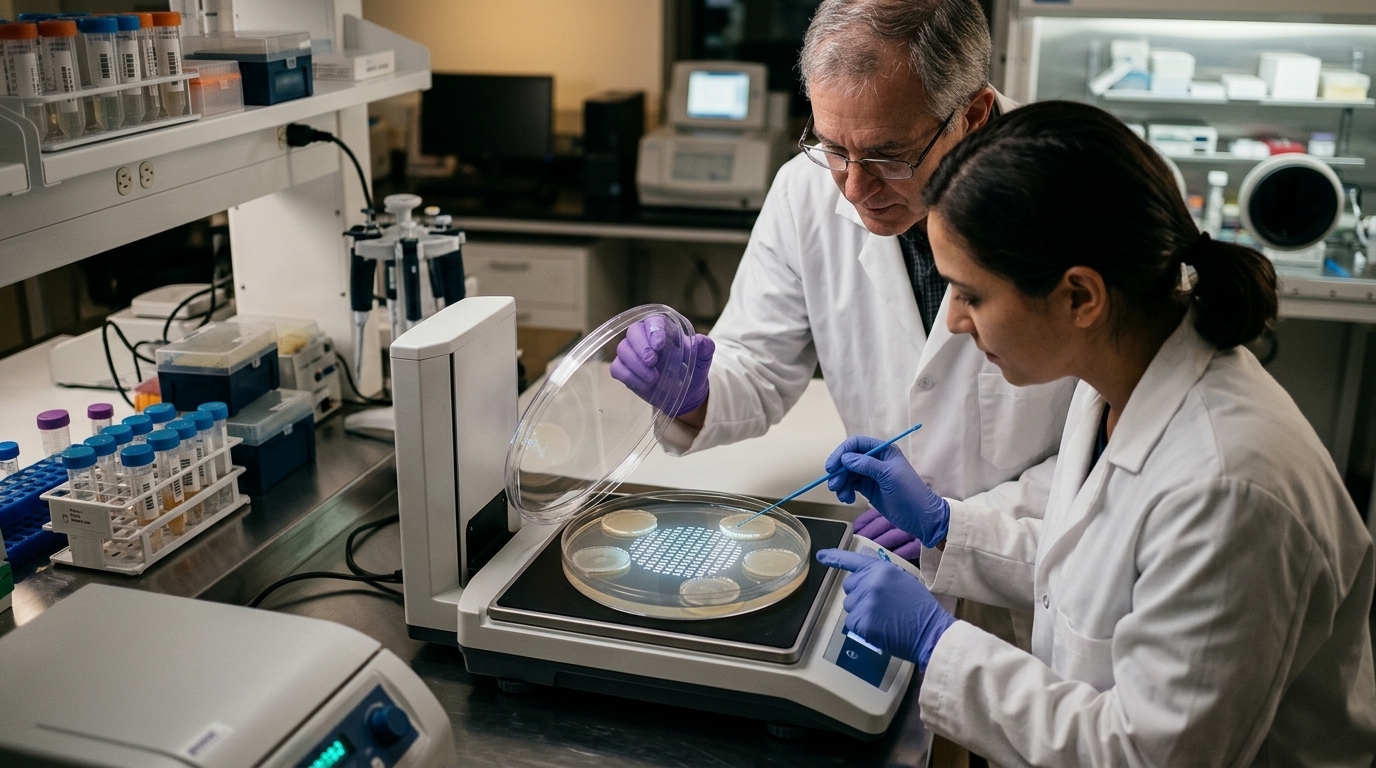
The central problem highlighted by scientists and executives is the ease with which synthetic genetic material can be ordered. Today, while some companies screen their orders to see if they match known viruses or toxins, a significant portion of the global market remains without substantial oversight. Artificial Intelligence can assist a malicious actor in designing a variant of a virus that evades current detection systems or provide detailed instructions for synthesizing dangerous substances in a simple laboratory setting.
The letter argues that the responsibility should not rest solely with the creators of AI models but also with synthetic DNA providers. Without a universal screening system, the "guardrails" placed on the software of OpenAI or Anthropic can be bypassed by users with the necessary technical knowledge. The proposal concerns the creation of an international protocol that would make it mandatory to screen every DNA order against a database of threat agents.
The Dual Nature of Innovation
The challenge lies in the balance between security and scientific progress. The same technology that can be used to create a biological weapon is what allows for the rapid development of vaccines and personalized cancer treatments. The signatories of the letter emphasize that stricter controls must not stifle research but rather ensure that AI tools remain in the hands of those working for the common good.
- Strengthening screening for synthetic DNA providers worldwide.
- Developing "red-teaming" protocols to test AI models in biological scenarios.
- Establishing legal penalties for non-compliance with safety protocols.
- International cooperation to monitor emerging biological threats.
This move comes at a time when the European Union and the US are attempting to shape the regulatory framework for AI. The focus on biosecurity shows that the risks are no longer theoretical. As proven in recent tests, advanced models can reduce the time required to design a pathogen from years to weeks, effectively democratizing access to capabilities previously held only by nation-states with advanced military programs.
The Political Dimension and Corporate Responsibility
However, there is also a critical perspective. Some analysts argue that major AI companies use the argument of "existential risks" to push for regulations that will act as a barrier to entry for smaller competitors (regulatory capture). If legislation becomes overly complex, only giants with massive budgets will be able to comply. Yet, in the case of biological weapons, the stakes are so high that even the most ardent supporters of open-source AI admit the need for some form of oversight.
"Biological security in the age of AI is not an option, but a necessity for the survival of our species," the letter states.
In conclusion, the initiative by OpenAI and Anthropic represents a milestone. It shows that the industry is beginning to realize that the power of its models transcends the digital sphere and enters the world of organic matter. The success of this effort will depend on whether governments can move at the same speed as the technology, creating a safety net before the next pandemic is designed on a keyboard.