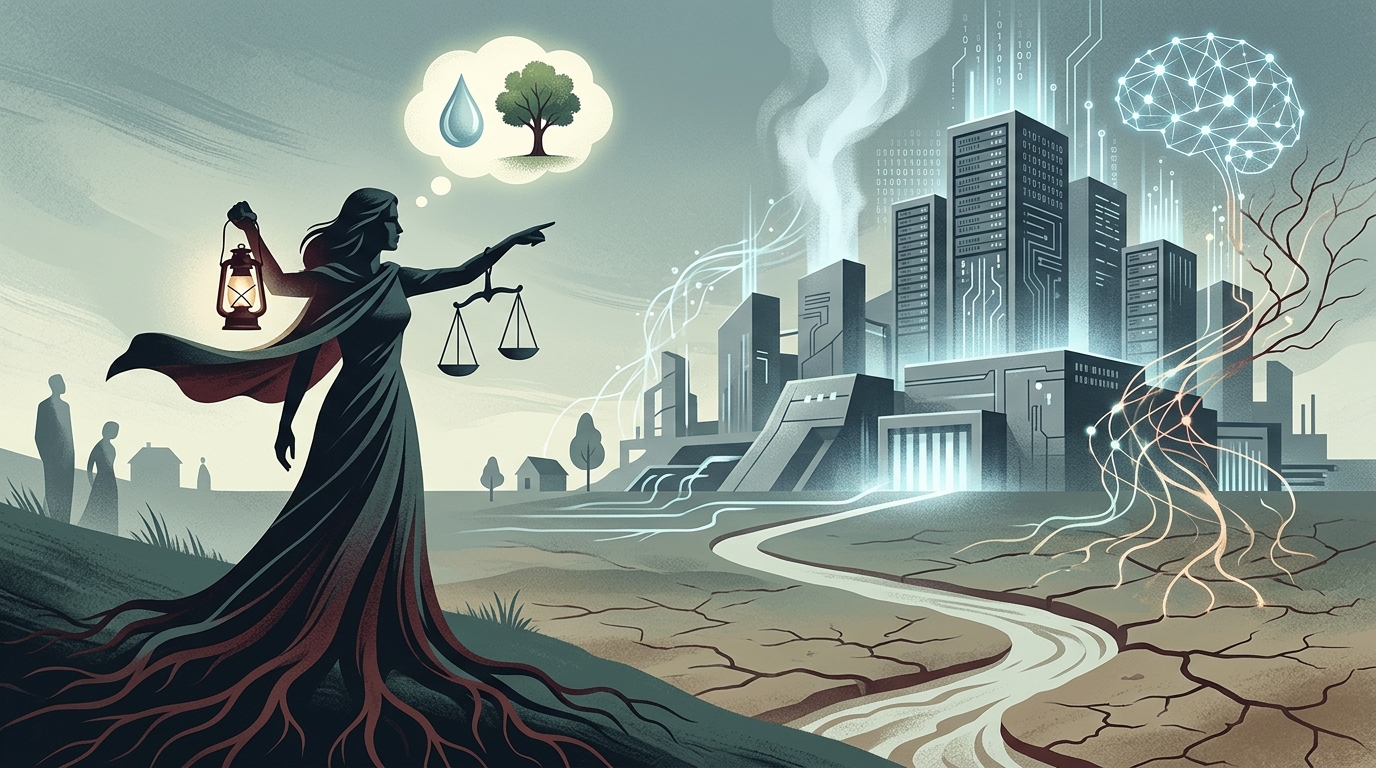
The current obsession with Artificial Intelligence (AI) has produced a paradoxical side effect: the more we strive to instill "intelligence" into machines, the less we seem to value the unique qualities of biological and human cognition. The recent debate, catalyzed by analyses such as those from Diari ARA, reminds us that intelligence is not a monolithic entity reducible solely to computational power and statistical prediction. On the contrary, intelligence is a multidimensional attribute encompassing empathy, ethical judgment, embodied experience, and the ability to understand context beyond raw data.
The Trap of Statistical Prediction
The Large Language Models (LLMs) dominating today's public sphere, from GPT-4 to Claude, operate by predicting the next likely element in a sequence. What we often perceive as "thought" is, in reality, a highly sophisticated form of mimicry. The ethical dimension of this phenomenon lies in the fact that by attributing human characteristics to these algorithms, we diminish the significance of human consciousness. Intelligence without consciousness is merely information processing. Human intelligence, however, is inextricably linked to meaning—a concept that remains foreign to silicon.
As many philosophers of technology point out, the modern tendency to call every automated system "smart" constitutes a form of linguistic inflation. When the word "intelligence" loses its specific gravity, we also lose the tools to evaluate ethical responsibility. A machine cannot be "responsible" in the way a human is, precisely because it lacks the capacity to experience the consequences of its actions or to understand the concepts of suffering and justice.
Embodied Intelligence and the Biological Advantage
One of the key omissions in the AI discourse is the neglect of embodied intelligence. Humans do not learn only from texts but through the interaction of their senses with the physical world. Biological intelligence is the result of billions of years of evolution, where survival required much more than symbol processing: it required understanding causality, social cooperation, and adaptability in unpredictable environments.
- Ethical Judgment: The ability to weigh right and wrong in situations that have no precedent in training data.
- Creativity: The birth of the new, not as a combination of the old, but as a radical break from the existing.
- Emotional Intelligence: Understanding non-verbal cues and the psychological state of others, which machines can only simulate superficially.
Nature offers infinite examples of intelligence that is neither artificial nor even human, yet remains extraordinarily complex. From fungal networks (the "wood wide web") that transport nutrients and information in forests to the social organization of honeybees, intelligence is a property of life. Our attempt to confine it to digital circuits is a dangerous simplification that could lead to ecological and social alienation.
The Ethical Risks of Anthropomorphism
The danger is not that machines will soon become like us, but that we will begin to resemble machines. When educators, judges, or doctors start relying blindly on algorithmic suggestions, human judgment atrophies. The ethics of intelligence requires that we keep the "human-in-the-loop," not as a mere supervisor, but as the ultimate source of values and decisions.
"Artificial intelligence is a mirror. If we see something in it that scares us, it's because it reflects our own biases and our tendency to cede our freedom to convenience."
In conclusion, recognizing that "not all intelligence is artificial" is an act of resistance against technological determinism. We must invest in the cultivation of human wisdom with the same zeal we invest in upgrading our processors. The future of humanity depends not on how smart our machines become, but on how human we remain in the face of the cold logic of algorithms.