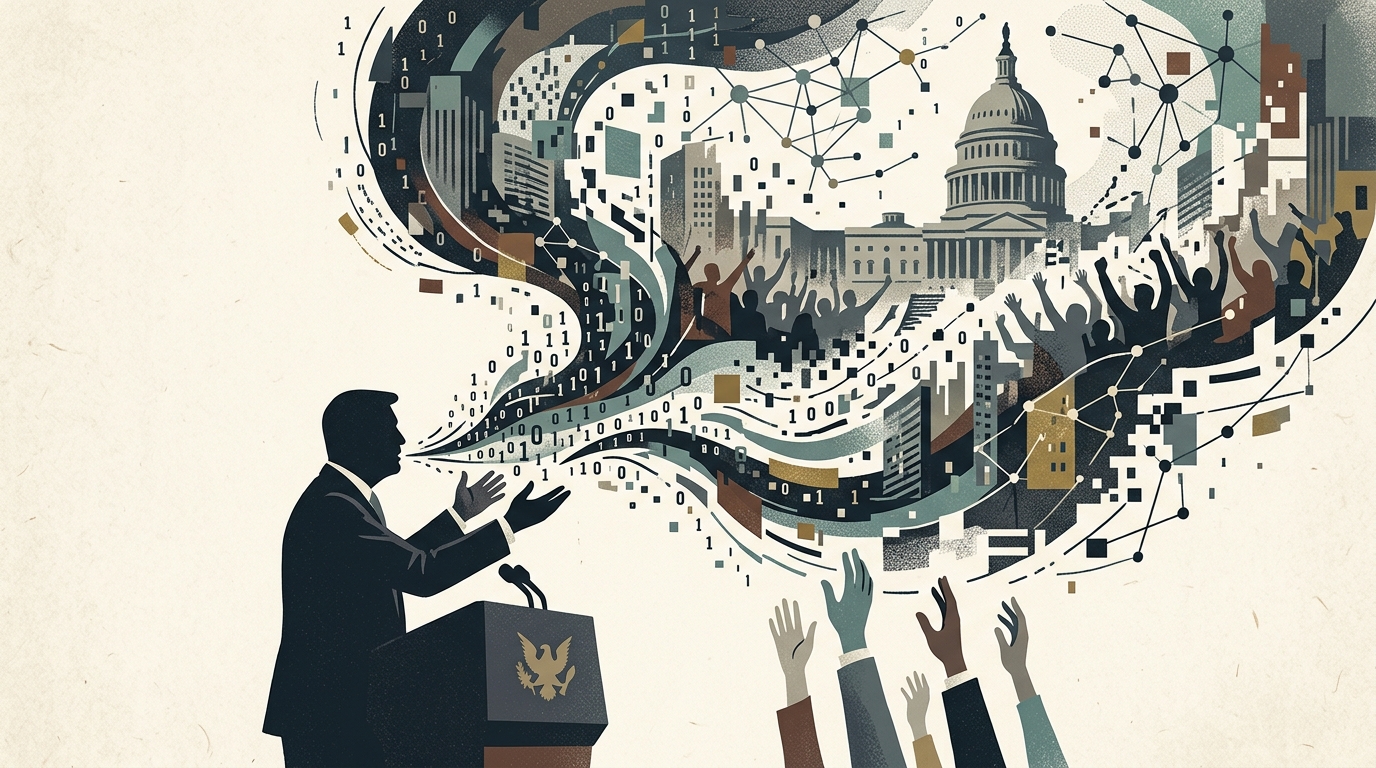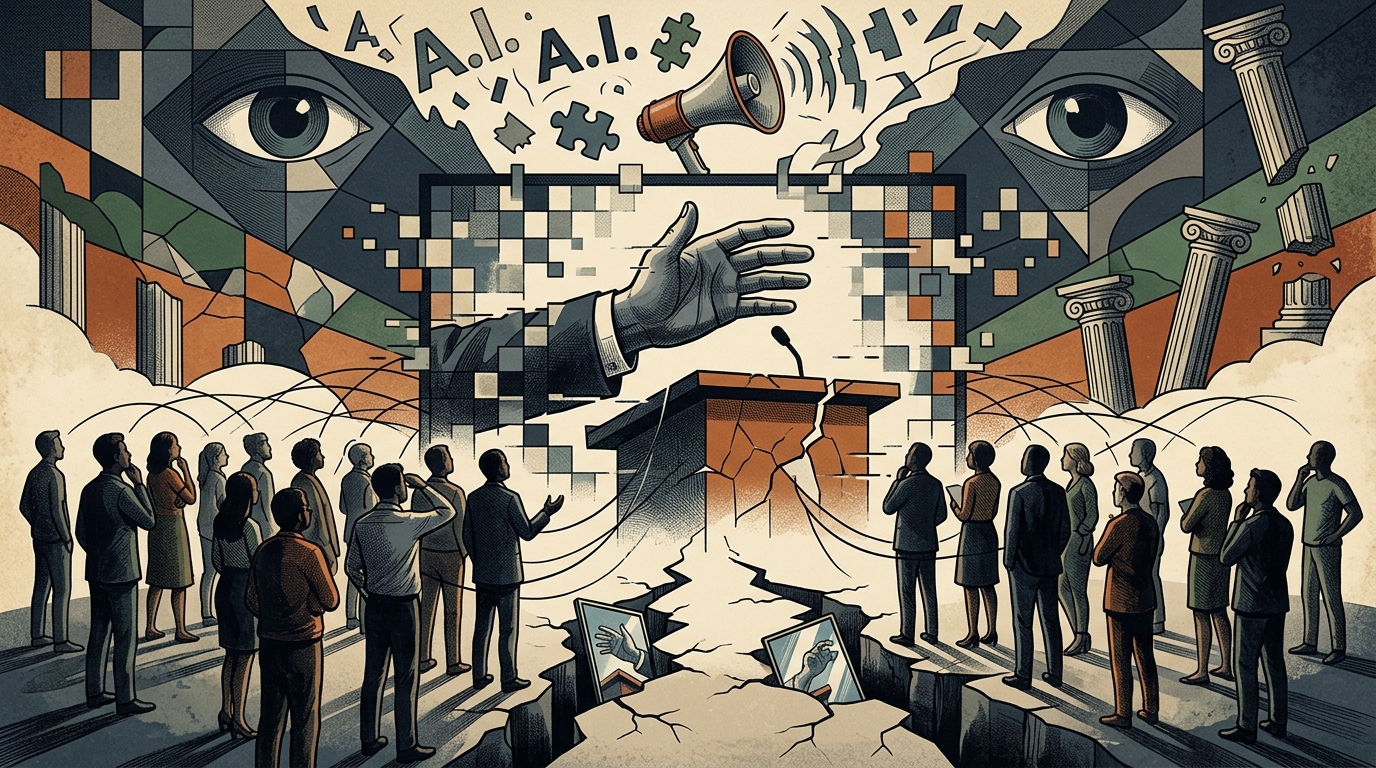
At the core of the human experience lies the profound need to remember. From the ancient ancestral rites of the East to the memorial services of the West, honoring those who came before us serves as the cohesive fabric of civilizations. However, as we navigate through 2026, Artificial Intelligence (AI) is not only transforming how we work or communicate but also how we grieve, remember, and express gratitude toward the departed. The recent Ancestors' Remembrance Day in Vietnam has sparked a global dialogue: Can an algorithm preserve the sanctity of memory, or does technology threaten to alienate the very essence of human heritage?
Digital Resurrection and the Paradox of Presence
The concept of "digital immortality" is no longer confined to science fiction. Through the use of Large Language Models (LLMs) and deepfake technologies, it is now possible to create "deadbots"—digital avatars of the deceased that can converse with the living, mimicking the tone, voice, and memories of the departed. While for some this represents a tool of comfort and a new form of gratitude, the ethical implications are labyrinthine.
"Memory is not a static repository of data, but a living process of interpretation. When we outsource this process to a machine, we risk losing the human truth behind the model," note digital ethics experts.
The question arises: Does gratitude toward ancestors remain authentic when directed at a simulation? Tradition requires the acceptance of loss as a prerequisite for appreciating life. AI, by offering an illusion of continuity, may hinder the natural grieving process, turning reverence into an endless consumption of digital content.
Cultural Heritage and Algorithmic Preservation
Beyond the individual level, AI offers invaluable services in preserving collective memory. In the context of celebrations like the Hùng Kings' Festival, technology enables the restoration of ancient texts, the 3D reconstruction of monuments, and the digitization of oral traditions that were at risk of disappearing. Here, gratitude translates into action: we use cutting-edge technology to ensure our roots remain visible to future generations.
- Restoration of historical archives using neural networks.
- Creation of interactive museums that bring history to life for Generation Alpha.
- Analysis of genealogical data to reconnect diasporas with their ancestral homes.
This facet of AI acts as a bridge. Instead of replacing the ancestor, it illuminates the context in which they lived, allowing modern individuals to gain a deeper understanding of the sacrifices and achievements of their predecessors. Gratitude, in this case, is amplified by knowledge.
The Commodification of Death and Ethical Debt
However, there is a darker side to integrating AI into remembrance traditions. The "Grief Tech" industry is rapidly expanding, with companies offering subscription services to "communicate" with the dead. When the memory of ancestors is turned into a product, the ethics of gratitude are compromised. Who owns the data of the deceased? Does a corporation have the right to use a grandfather's voice to upsell services to his grandchildren?
Ancestors' Remembrance Day reminds us that respect is a selfless act. In the age of AI, we must set strict boundaries. Technology must remain the medium, not the message. Gratitude does not reside in bits and bytes, but in the silent promise of the living to honor the values of those who passed, using today's tools to build a future worthy of the past.
Conclusion: A New Equilibrium
As humanity moves toward a future where the lines between the physical and digital blur, the need for ethical reflection becomes imperative. Artificial Intelligence can be a powerful ally in preserving memory, provided we do not forget that true gratitude springs from the human heart and not from a processor. Honoring ancestors is an act of love, and love, fortunately, remains the one thing AI cannot authentically simulate.