In today's digital landscape, Artificial Intelligence predominantly speaks one language: "Standard" English. This linguistic monoculture, while convenient for Silicon Valley giants, threatens to marginalize millions of people who communicate through dialects, creoles, and local vernaculars. Alana-Kay Forbes, a senior at the New Jersey Institute of Technology (NJIT), has set out to change this narrative. With her recent Fulbright U.S. Student Program award, Forbes is embarking on a mission to Jamaica to teach machines how to understand and speak Patois (Patwa) — the vibrant, oral language of her heritage.
The Challenge of Digital Colonialism
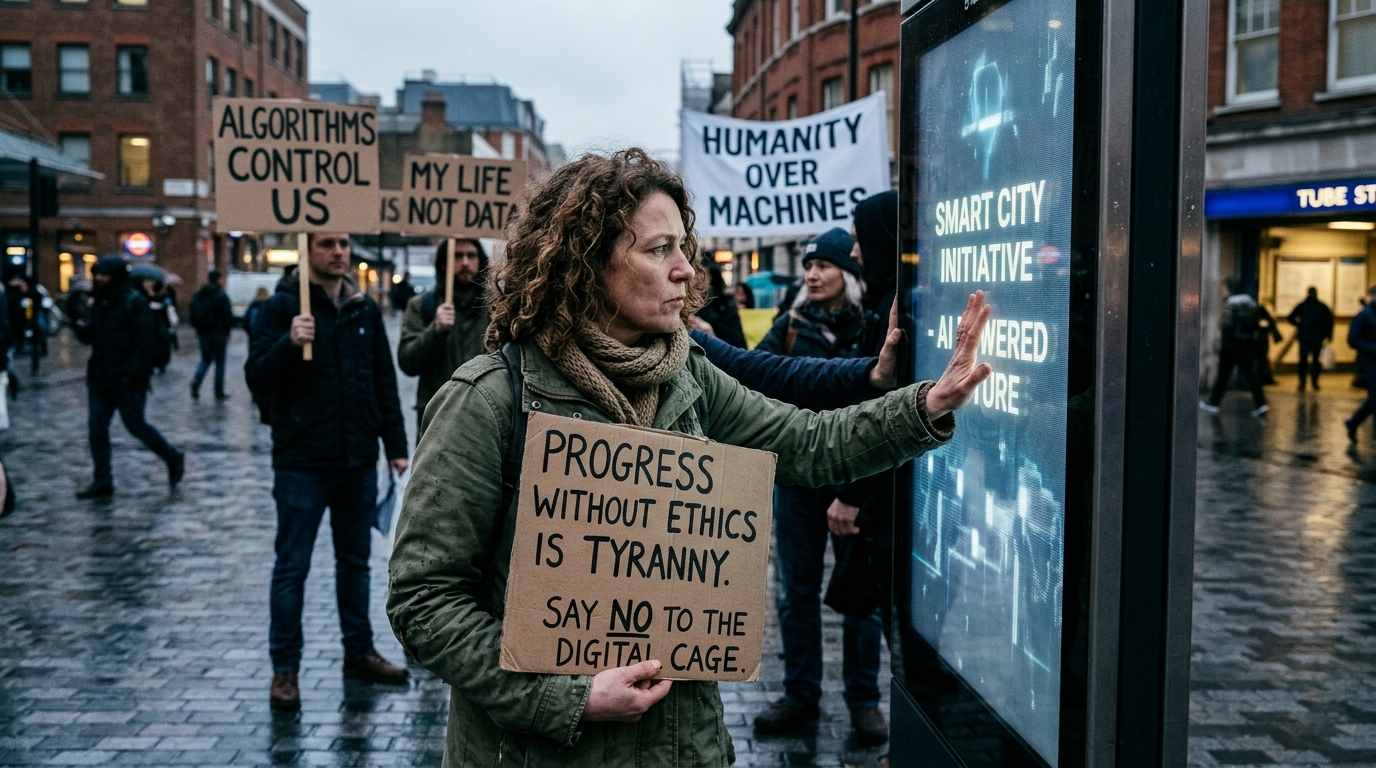
Forbes' endeavor is more than a technical milestone; it is an act of resistance against what many scholars term "digital colonialism." Large Language Models (LLMs), such as GPT-4 or Claude, are trained on massive datasets harvested primarily from the internet. However, the internet is not representative of global linguistic diversity. Languages with strong oral traditions but limited written footprints, like Jamaican Patois, are often ignored or, worse, "corrected" by algorithms as broken English.
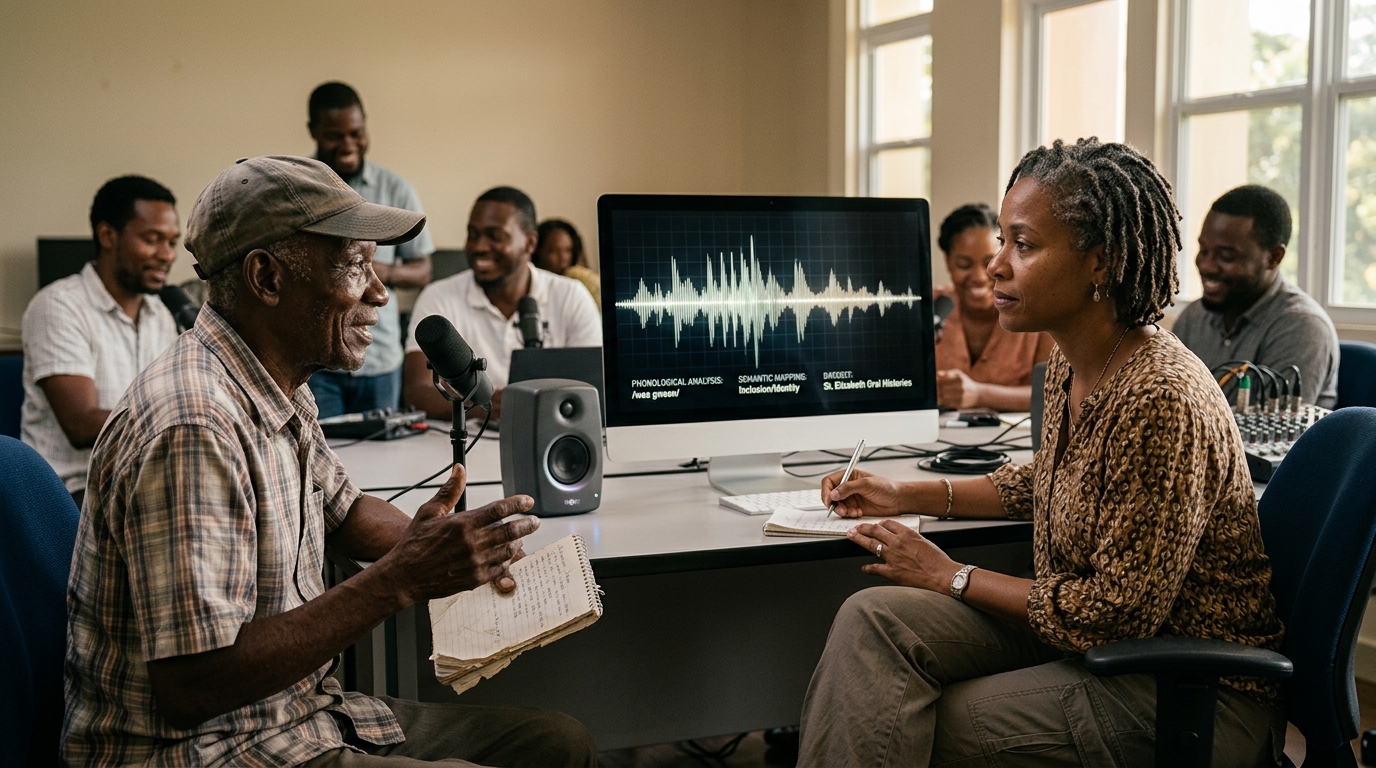
Patois is a creole language born from the crucible of slavery and the necessity for communication between diverse African tribes and British colonizers. Today, it is the heartbeat of Jamaican identity. When an AI fails to recognize it, it doesn't just lock a user out of a service; it invalidates their cultural existence. Forbes, through her Fulbright grant, intends to collaborate with the University of the West Indies (UWI) to build datasets that allow AI to grasp the nuances of Patois syntax, vocabulary, and rhythm.
Technical Hurdles and the Data Dilemma
Developing AI for Patois presents unique technical challenges. The language lacks a single, institutionalized orthography, as many write it phonetically. Furthermore, Natural Language Processing (NLP) relies on "tokenization" — breaking down text into smaller units. Current models are optimized for English morphology, meaning processing Patois requires more computational tokens and often results in lower accuracy. Forbes is focusing on gathering authentic data from daily speech, avoiding the trap of simply translating from English, which often strips the language of its soul and context.
- Creation of localized datasets reflecting real-world usage rather than academic translations.
- Developing algorithms capable of handling code-switching between Patois and Standard English.
- Enhancing accessibility for digital health and educational services in rural Jamaican communities.
Ethics and the Global Impact
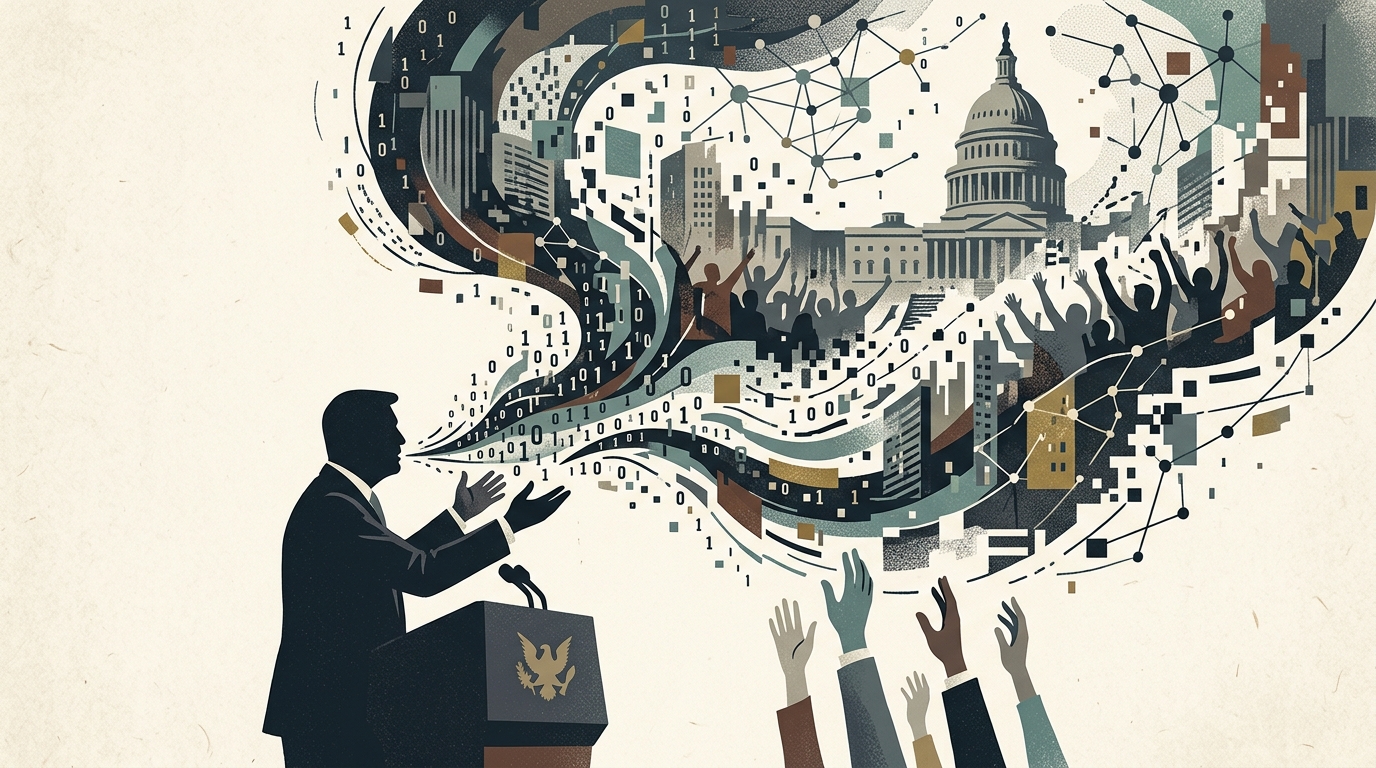
From an ethical standpoint, Forbes' work begs the question: who owns technology? If AI remains confined within the narrow borders of Western standards, it will act as a tool for homogenization, erasing cultural specificities. Empowering Jamaica to build AI "in its own voice" allows the local population to participate in the fourth industrial revolution without sacrificing their heritage. Moreover, the success of this project could serve as a blueprint for other nations in the Caribbean, Africa, and Asia facing similar hurdles of linguistic exclusion.
"Language is the lens through which we perceive the world. If AI cannot understand our language, it cannot understand us," Forbes notes in her project proposal.
In conclusion, Alana-Kay Forbes' initiative is not merely about coding; it is about dignity. In an era where technology threatens to become the new "lingua franca" of the global elite, returning to roots through innovation is the only path toward truly inclusive progress. Jamaica, through AI, is preparing to be heard loudly, authentically, and, most importantly, in its own tongue.