The entertainment industry in Vietnam is at a critical crossroads, facing what many experts describe as "cultural degradation." The recent explosion of AI-generated content, coupled with the persistent plague of lip-syncing and the production of shallow, low-quality songs, has triggered a red alert among authorities and serious artists alike. Vietnam's case is not isolated; it serves as a microcosm of the global struggle between artistic authenticity and digital convenience.
The AI Incursion into the Music Scene
Over the past two years, tools like Suno and Udio have made it possible to create complete songs in seconds. In Vietnam, this technology has been mass-adopted by content creators seeking quick success on social platforms like TikTok and YouTube. The problem, however, lies in the lack of depth. These songs, while technically proficient, often lack emotional resonance and cultural identity. The ease of production has led to a flood of "internet trash" (rác mạng), as local critics call it, which drowns out the voices of genuine talents who invest time and effort into their craft.
The Lip-syncing Phenomenon and the Loss of Trust
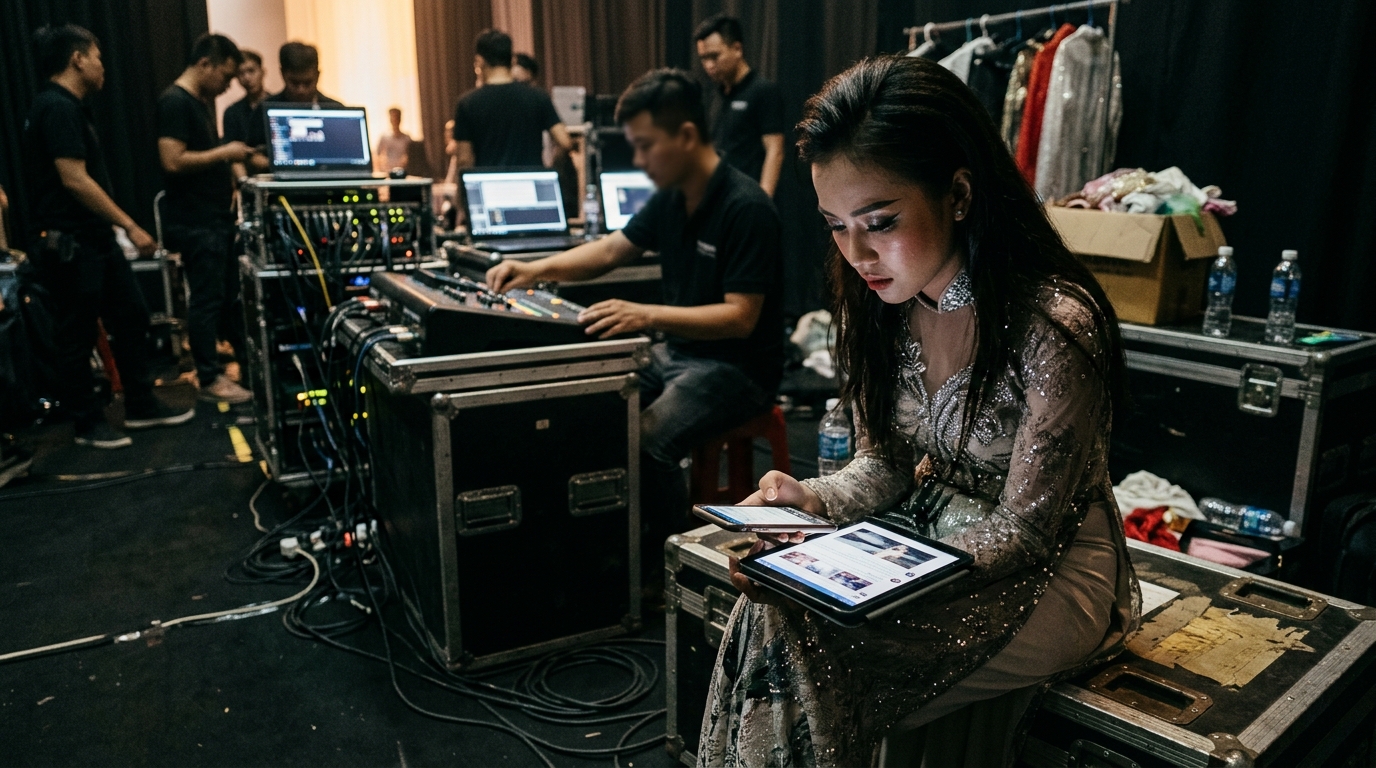
Alongside AI, lip-syncing remains one of the biggest thorns in the side of Vietnamese showbiz. Many new "idols" rely solely on appearance and digital processing, failing miserably in live performances. This practice has eroded public trust, with audiences feeling cheated by an industry that prioritizes appearance over substance. Vietnamese authorities have repeatedly warned of stricter fines, but the digital nature of modern entertainment makes enforcement extremely difficult.
"Art requires a soul, not just algorithms. When music becomes a mere industrial product without identity, we lose our connecting link to our history and culture," says a prominent Vietnamese music critic.
Ethical Implications and State Intervention
The issue goes beyond simple aesthetics. There are serious ethical concerns regarding copyright, as AI models are trained on existing works without the permission of the original creators. Furthermore, the promotion of standards based on fake perfection negatively affects the psychology of the youth. Vietnam's Ministry of Information and Communications is now considering the creation of a code of ethics for artists and influencers, which will include clear guidelines on the use of AI and the obligation to label machine-generated content. The challenge is to find a balance between technological progress and the preservation of artistic integrity.
The Future of Creation in a Digital World
The crisis in Vietnam is a warning sign for the entire world. As AI becomes more sophisticated, the distinction between the human and the artificial will become increasingly blurred. The solution lies not in banning technology, but in re-educating the public and strengthening media literacy. Artists must find ways to integrate AI as a tool to enhance their creativity rather than letting it replace them. Only then can showbiz regain its dignity and offer works that will stand the test of time.