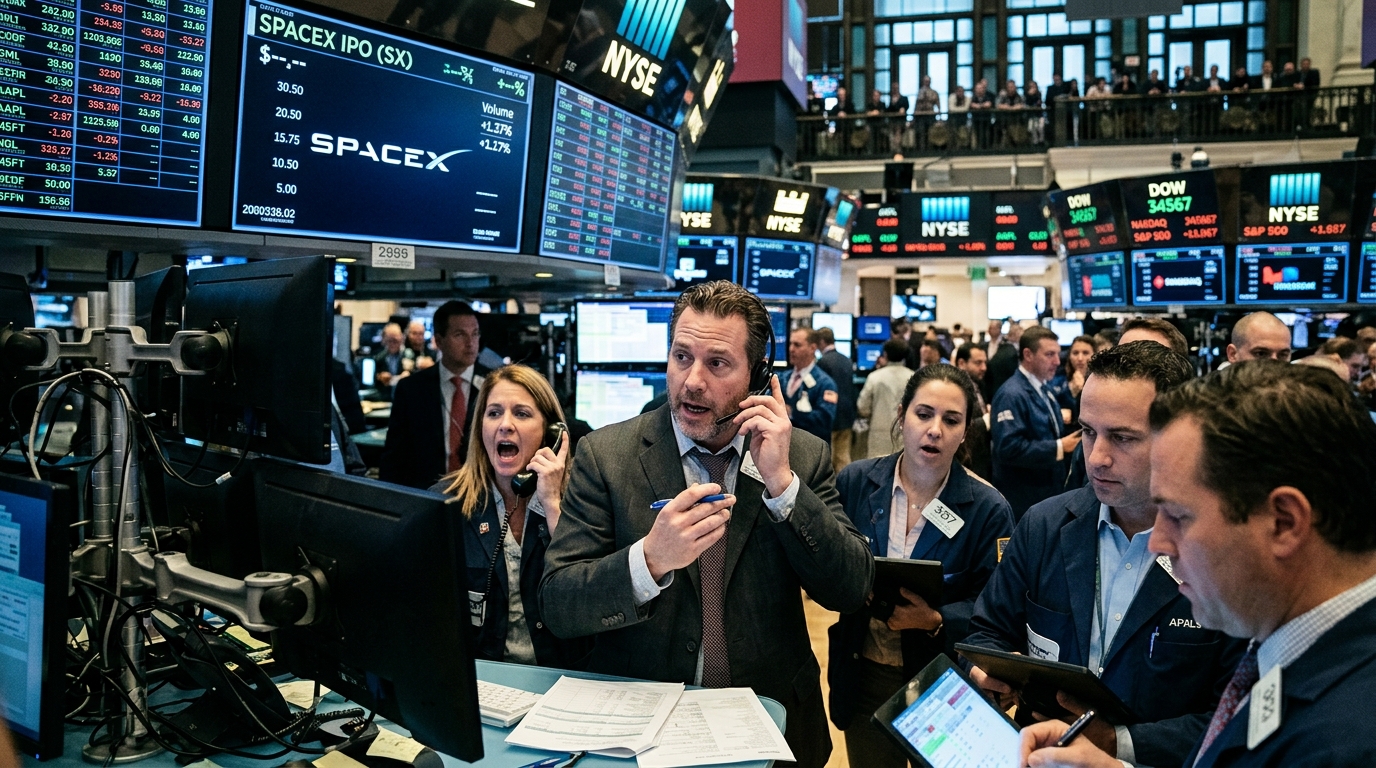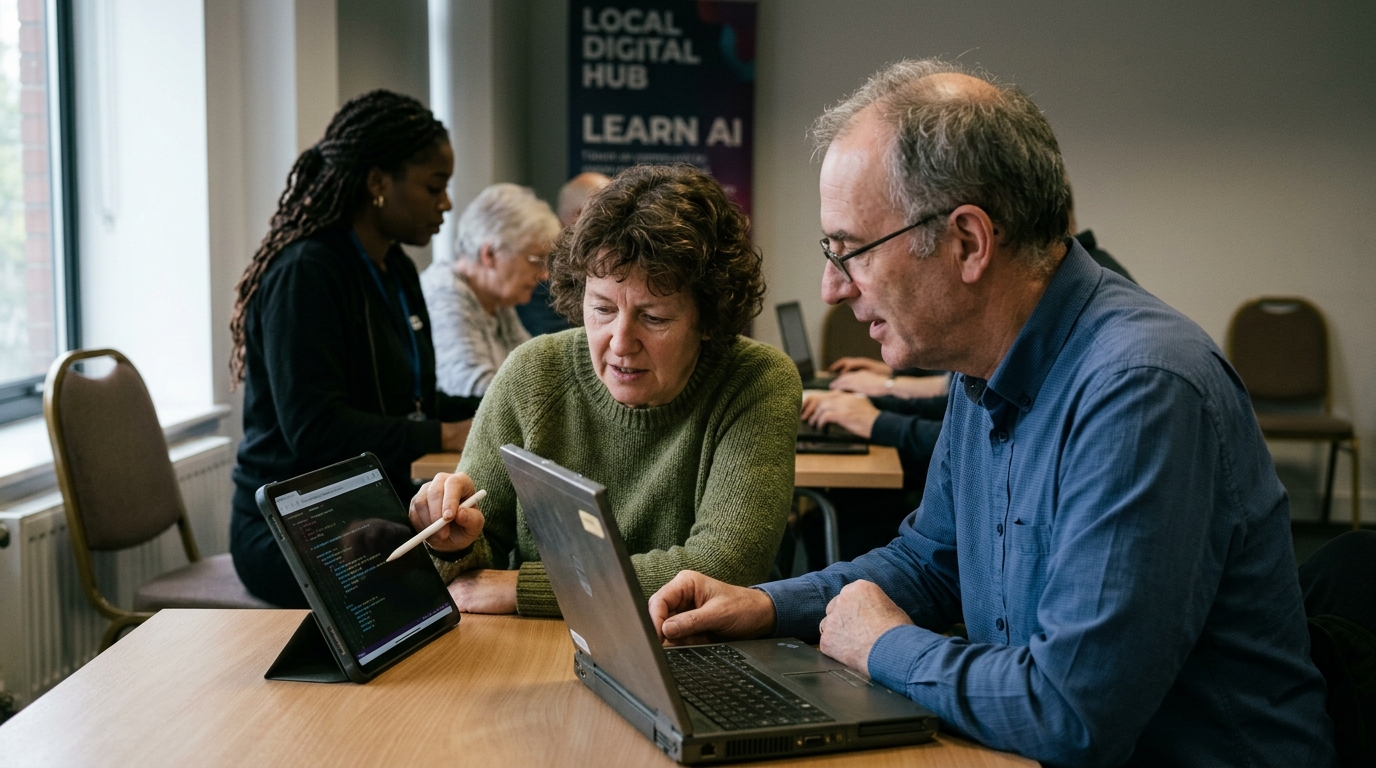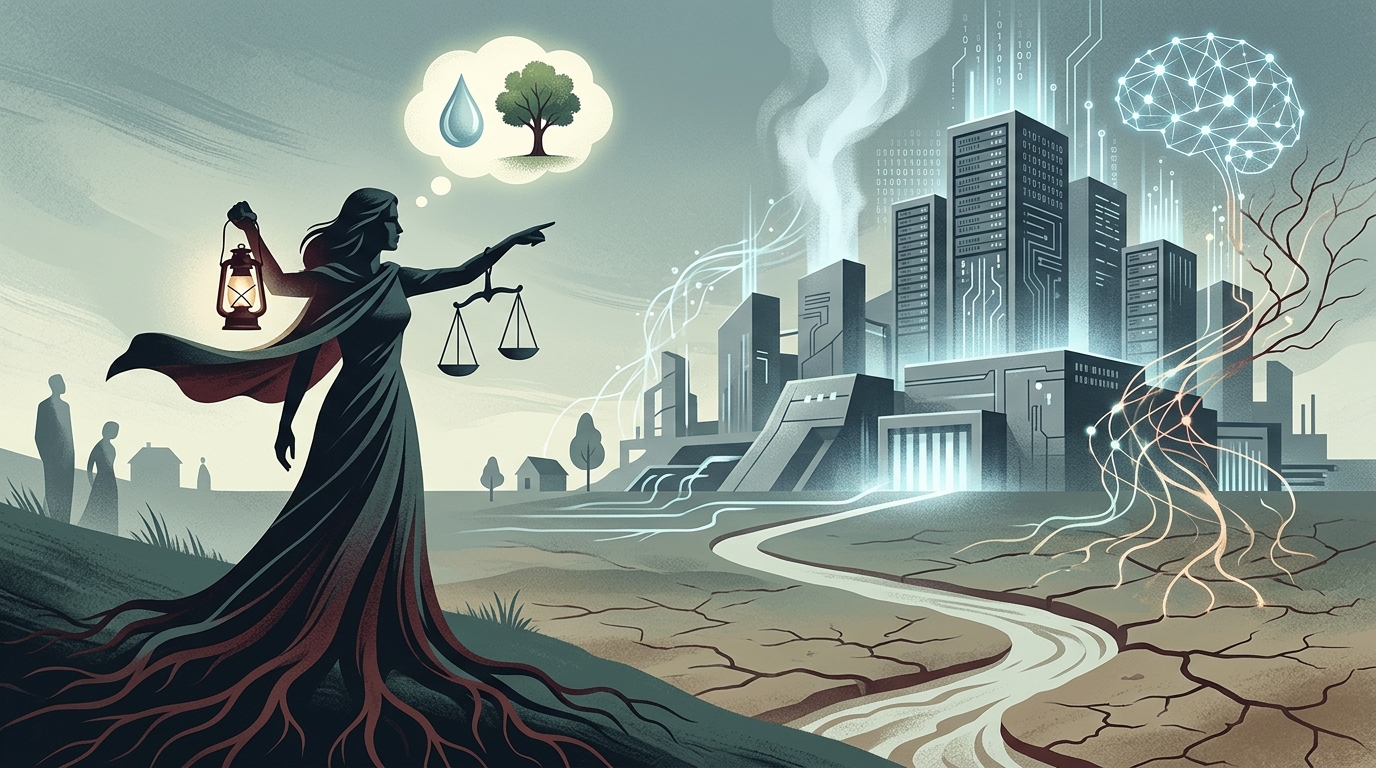
Artificial Intelligence (AI) is no longer a science fiction scenario or a tool confined to the laboratories of tech giants. It is a living reality reshaping economies, information flows, and social interactions. However, as recent surveys and current events reveal, public opinion remains deeply divided. This fracture is not merely about the technical proficiency of these systems; it touches upon the fundamental values of humanity: labor, truth, and autonomy.
The Psychology of Fear and the Hope of Efficiency
For a large segment of the population, AI represents the pinnacle of human ingenuity. Its proponents focus on the dramatic increase in productivity, the resolution of complex medical puzzles, and the personalization of education. The ability of Large Language Models (LLMs) to process volumes of data that would take centuries of human labor offers a sense of limitless potential.
Conversely, skepticism stems from a profound existential anxiety. Many citizens perceive AI as a 'black box' process where decisions are made without transparency. The lack of explainability in algorithms creates a climate of suspicion, especially when these systems are deployed in critical areas such as justice, recruitment, or medical diagnosis. The fear is not just technical; it is political and social, as the concentration of power in the hands of a few Big Tech firms intensifies the average citizen's feeling of powerlessness.
The Threat of Automation and the Labor Market Crisis
The issue of employment is perhaps the most volatile point of contention. The history of technology teaches us that innovations create more jobs than they destroy, but the speed of the current revolution is unprecedented. Public opinion worries that this time, the transition will not be smooth. It is no longer just manual labor at risk, but intellectual activities previously considered 'safe.'
- The displacement of creative professions by generative AI.
- The erosion of wages due to increased automation.
- The constant need for reskilling, which often outpaces the capabilities of the welfare state.
This economic uncertainty fuels resistance. In regions with strong labor protections, the debate over the 'correct' use of AI is often synonymous with protecting workers from algorithmic tyranny. The demand for an ethical framework that places humans at the center—the 'human-in-the-loop' approach—is becoming increasingly urgent.
Misinformation and the Erosion of Truth
Another critical aspect dividing the public is information security. The rise of deepfakes and the ease of producing convincing fake news have shaken trust in democratic institutions. Citizens feel exposed to a new form of digital warfare where the distinction between reality and fabrication becomes impossible. The use of AI in global elections has highlighted the risks of manipulating public opinion through targeted psychological profiling.
"Technology is neutral, but its use reflects the intentions of its creator. In the case of AI, these intentions often remain hidden behind trade secrets."
The need for stringent regulation, such as the EU AI Act, is a point of convergence for many, yet a point of contention for others who fear that excessive legislation will stifle innovation in Europe, leaving the field open to the US and China.
Conclusion: Toward a New Social Contract
The division in public opinion is not necessarily negative. It reflects a healthy democratic response to radical change. The challenge for the coming years is not the universal acceptance of Artificial Intelligence, but the construction of a framework of trust. This requires transparency, education, and, above all, ensuring that the benefits of technology are distributed fairly across society, rather than accumulating within a digital elite. The 'correct' use of AI is not a technical problem; it is an ethical choice we must make collectively.