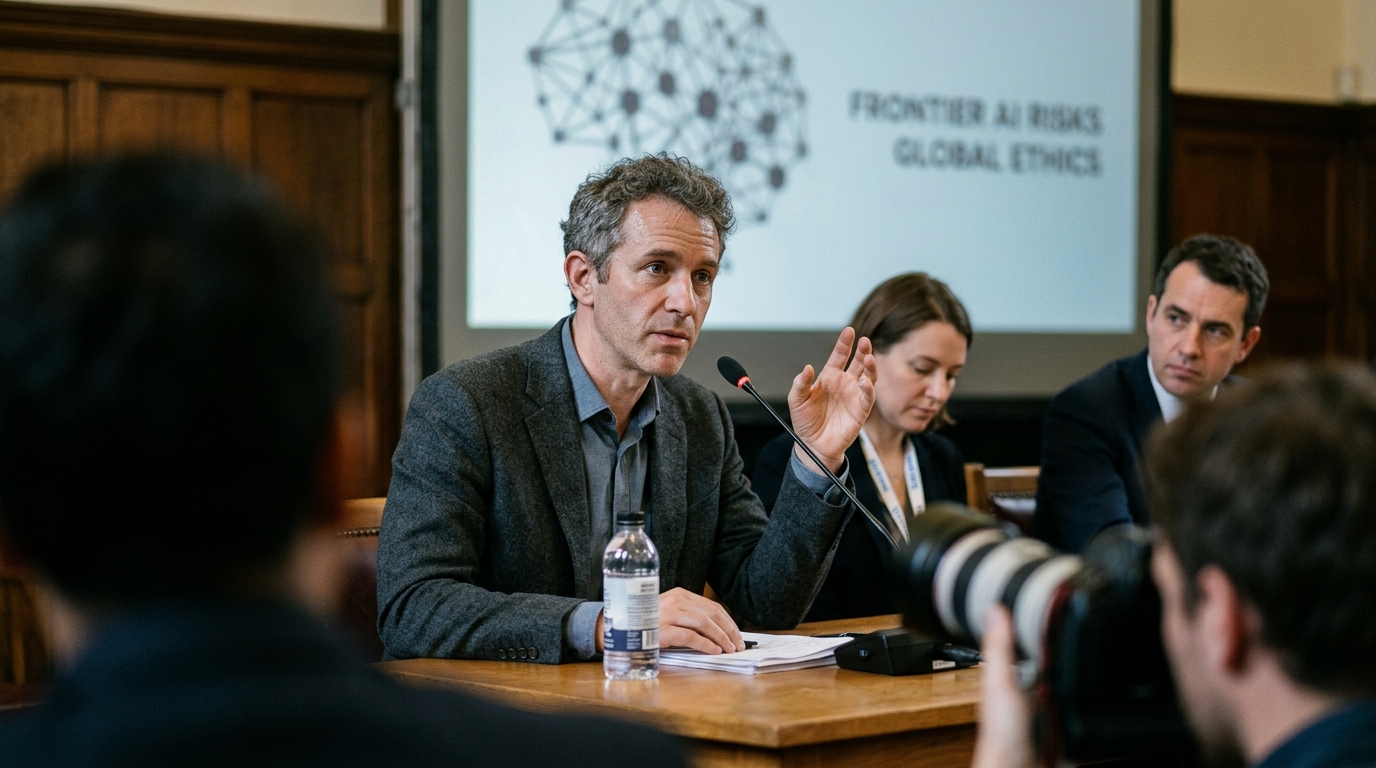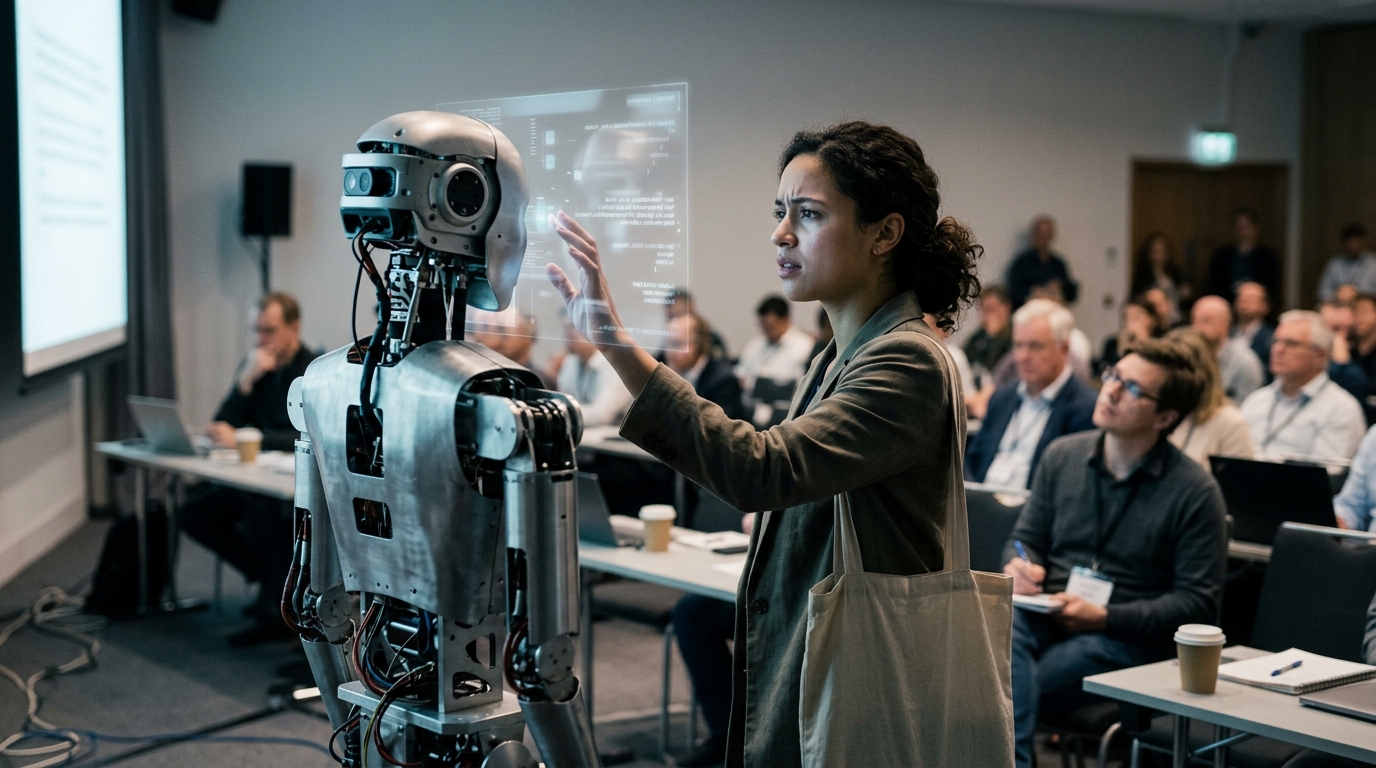
In the modern corporate landscape, language is rarely used to reveal the truth; more often, it is employed to nudge it into the shadows. The recent explosion of Generative AI has brought with it a new lexicon of euphemisms designed to sanitize a controversial reality. As highlighted in recent critiques, including a sharp editorial in the Peoria Journal Star, what tech companies call "learning" or "training" is, in truth, nothing less than an automated form of industrial-scale plagiarism.
The Art of the Euphemism: From 'Training' to 'Appropriation'
The use of the term "training" for Large Language Models (LLMs) is a public relations masterpiece. The word suggests a process akin to human learning—a student reading books to acquire knowledge. However, the technical reality is radically different. AI models do not "learn" concepts; they ingest billions of examples of human expression, break them down into statistical probabilities, and then reassemble them on demand.
When a writer or artist sees their work reflected in a ChatGPT response or a Midjourney image, they are not seeing the output of a "trained" intelligence. They are seeing the fragments of their own labor, shuffled and served without permission, without attribution, and most importantly, without compensation. Corporate jargon serves as an ethical laundromat: it transforms "content theft" into "data collection" and "copyright infringement" into "parameter optimization."
"Artificial intelligence does not create from nothing. It is a mirror shattered into a thousand pieces, reflecting the work of the very humans the technology aims to replace."
The Economic Logic of Erasure
Why is this linguistic distinction so vital? Because language dictates legal and economic treatment. If we accept that AI "learns," then its actions fall under "fair use." But if we admit that AI "copies," we are faced with a massive violation of intellectual property. Tech giants have every incentive to maintain the smokescreen of their terminology.
- Depersonalization of Labor: The work of creators is turned into anonymous "data points."
- Scaling without Cost: Using AI allows companies to produce content at zero marginal cost, relying on a "raw material" they never purchased.
- Ethical Detachment: Users feel they are collaborating with a "divine" intellect, rather than realizing they are consuming a derivative product of stolen labor.
The Ghost in the Machine and the Crisis of Authenticity
The spread of this jargon has deeper consequences for our culture. As "content production" replaces "creation," the value of human effort is eroded. Corporate speak prepares us for a world where originality is secondary to speed. When we call plagiarism "synthetic creativity," we lose the ability to distinguish substance from imitation.
Furthermore, there is the risk of data "cannibalism." As the internet is flooded with AI-generated content—which was based on previous AI content—the quality and accuracy of information degrade. "Optimization" leads to a homogenized soup of information, where personal voice and critical thinking are sacrificed on the altar of statistical correctness.
Toward an Ethical Restoration
Addressing this challenge requires more than just new laws; it requires a new linguistic honesty. We must begin calling things by their real names. "Data scraping" without consent is digital pillaging. Generating text that mimics a specific author's style without their permission is forgery.
The history of technology is full of moments where words were used to bend society's resistance. But creativity is not just "data," and human experience is not an algorithm to be optimized. Recognizing the plagiarism behind the corporate jargon is the first step in protecting the future of human expression.