In an era where Artificial Intelligence (AI) permeates every facet of daily life, healthcare remains the final bastion of the human touch. A recent, comprehensive poll conducted in Canada and reported by the CBC highlights a fascinating contradiction: while citizens are eager to use AI as a sophisticated information retrieval tool, the mere thought of replacing a human physician with an algorithm sparks intense backlash and skepticism.
The Trust Paradox
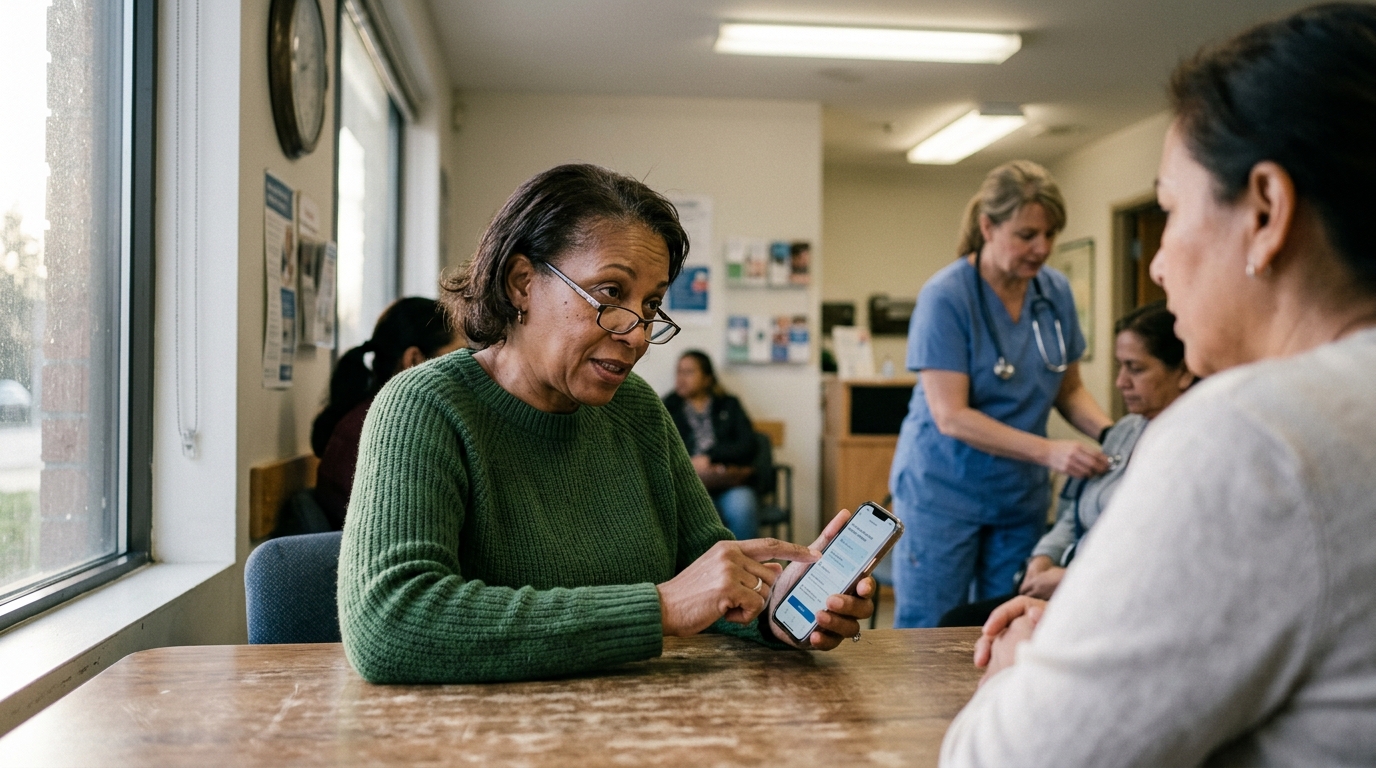
The survey, conducted across a broad demographic spectrum of Canada, indicates that most respondents view AI as a natural evolution of "Dr. Google." Patients are already utilizing Large Language Models (LLMs) to interpret symptoms or understand complex medical jargon. However, this trust stops abruptly at the clinic's doorstep. When asked if they would feel comfortable with a diagnosis based solely on AI, the response was a resounding "no."
This phenomenon is not merely a resistance to technology but a deeply rooted belief in the value of clinical judgment. A doctor is not just a repository of knowledge but a human capable of perceiving context, emotion, and non-verbal cues—elements that AI, despite its advancements by 2026, still fails to simulate authentically.
Systemic Pressure and the Role of AI
Canada, like many other Western nations, faces a chronic healthcare crisis characterized by long wait times and staffing shortages. In this context, AI emerges as an attractive solution to alleviate system congestion. Poll participants recognized that technology could be immensely useful in administrative tasks, such as scheduling, organizing medical records, and initial triage.
- 75% of respondents support using AI to reduce physician paperwork.
- Less than 20% would trust a surgical procedure performed autonomously by a robot.
- Data privacy remains the number one concern for 85% of Canadians.
Ethical issues also arise regarding liability. If an AI system misdiagnoses a condition, who is responsible? The developer, the hospital, or the supervising physician? This legal and ethical vacuum remains a significant hurdle for the broader adoption of the technology.
Human Connection as a Therapeutic Agent
At the heart of the debate lies the concept of "empathy." Medicine is not just a science; it is an art. A doctor’s ability to hold a patient's hand when delivering bad news or to understand a family's fears cannot be encoded into binary. Canadians seem to realize that health is a profoundly human experience that requires human mediation.
"Technology should be the assistant, not the master. We want faster results, but we want a human to explain them to us," noted one survey participant.
In conclusion, the poll sends a clear message to policymakers and tech companies: progress in healthcare must be human-centric. AI can be the physician's "right hand," offering precision and speed, but final decisions and care must remain in human hands. The challenge for the future is not how to replace doctors, but how to augment them so they have more time for what truly matters: the patient.