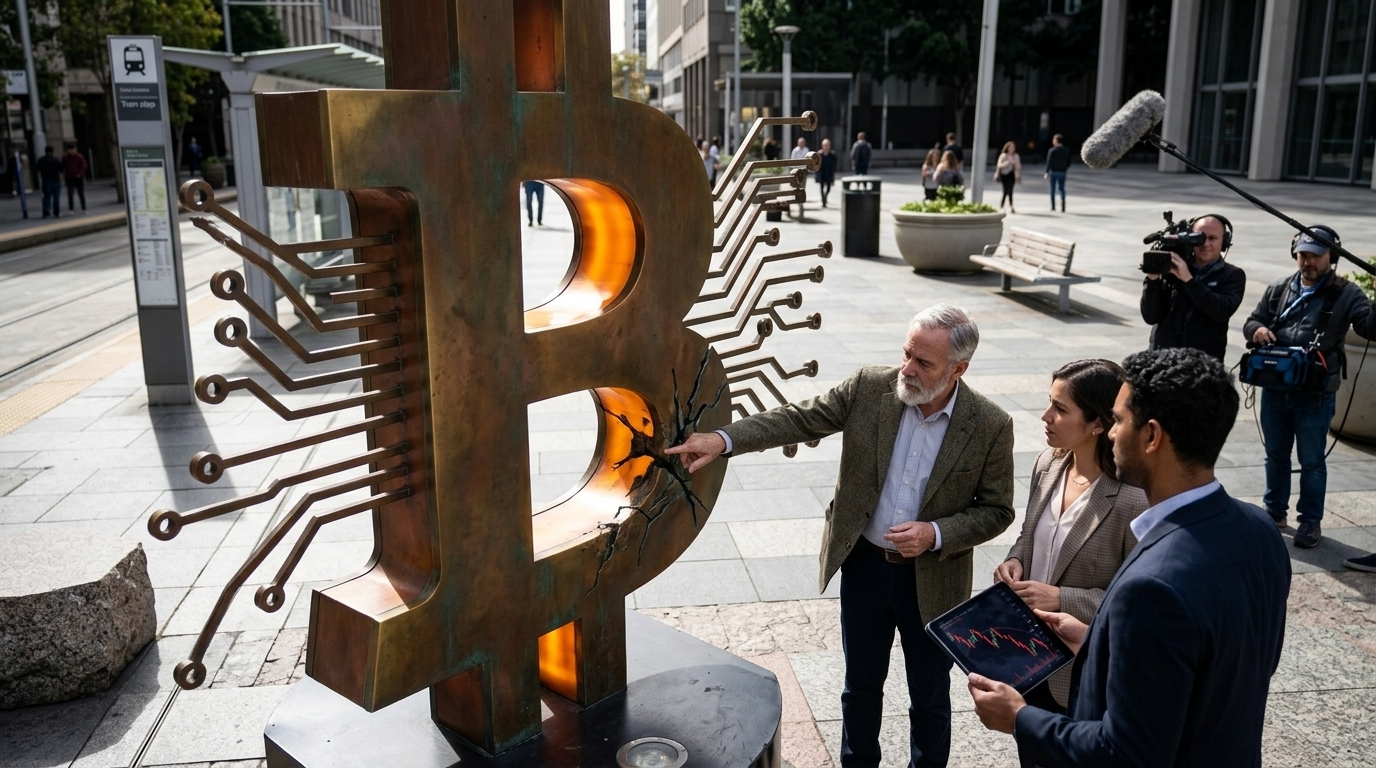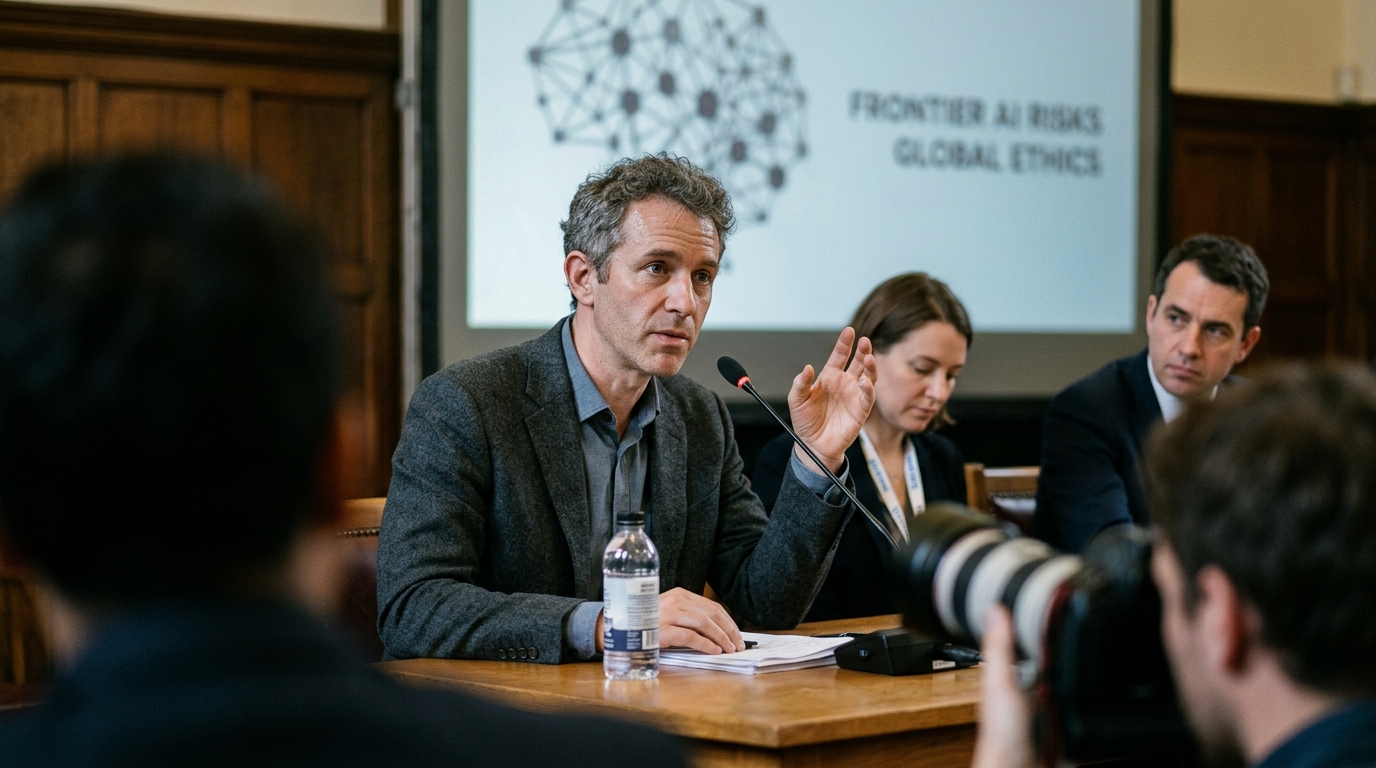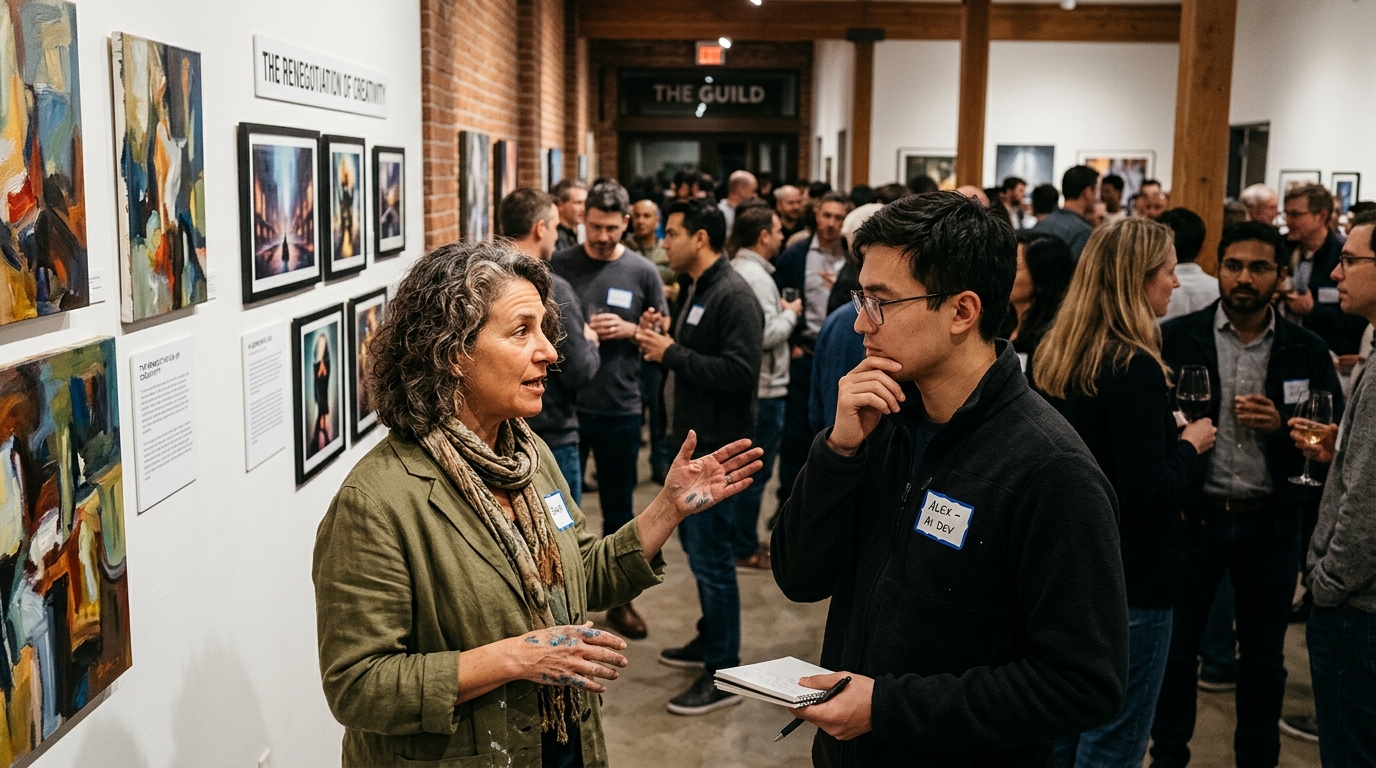
In the heart of Silicon Valley, where tech giants redefine our reality daily, a library in Menlo Park is becoming the battlefield for one of the most critical conflicts of our era: the clash between human art and Artificial Intelligence (AI). The event on April 22 is not merely a local lecture; it is a symptom of a global existential crisis hitting the core of creative expression.
The Illusion of Creation and the Ethical Burden
The discussion at the Menlo Park Library arrives at a time when Generative AI tools—such as Midjourney, DALL-E, and Sora—have flooded the internet. For technology proponents, this is the "democratization of art." For artists themselves, however, it is an organized assault on intellectual property and the value of human labor.
The primary argument expected to dominate is the nature of machine "learning." Algorithms do not create from thin air; they are trained on billions of images and artworks created by humans, often without the consent, credit, or compensation of the original creators. What Silicon Valley calls "model training," many artists call "digital piracy on an industrial scale."
"Art is not just the final visual output; it is the process, the intent, and the human experience behind every stroke. AI can mimic style, but it lacks a soul," tech critics often argue.
The Devaluation of Artistic Worth
One of the central issues to be analyzed is the economic devaluation of art. When a machine can generate an illustration in seconds, the market value of human labor is dramatically compressed. Illustrators, graphic designers, and concept artists face competition that does not follow the rules of biological endurance or economic necessity.
Furthermore, there is the issue of cultural "homogenization." As AI relies on statistical probabilities to produce what is deemed "aesthetically acceptable," there is a risk of becoming trapped in a perpetual cycle of recycling old styles, stifling true innovation that stems from risk and error—two purely human elements.
The Legal Landscape and the Path Forward
The Menlo Park discussion cannot avoid touching upon current legal battles. Lawsuits against companies like Stability AI and OpenAI are mounting, with courts in the US and Europe being asked to decide if using protected content for AI training falls under "Fair Use." So far, the US Copyright Office has refused to grant copyrights to works created exclusively by AI, a decision that serves as a bulwark for protecting human creators.
- Intellectual Property: Who owns an image generated from a prompt?
- Data Ethics: The need for transparency in training datasets.
- The Future of Work: How will creative industries survive in the age of automation?
In conclusion, the event at the Menlo Park Library serves as a microcosm of global anxiety. This is not a battle against technology itself, but a claim for the human position in a world dominated by data. Art has always been the mirror of humanity; if that mirror is now constructed from code, what will we see when we look into it?