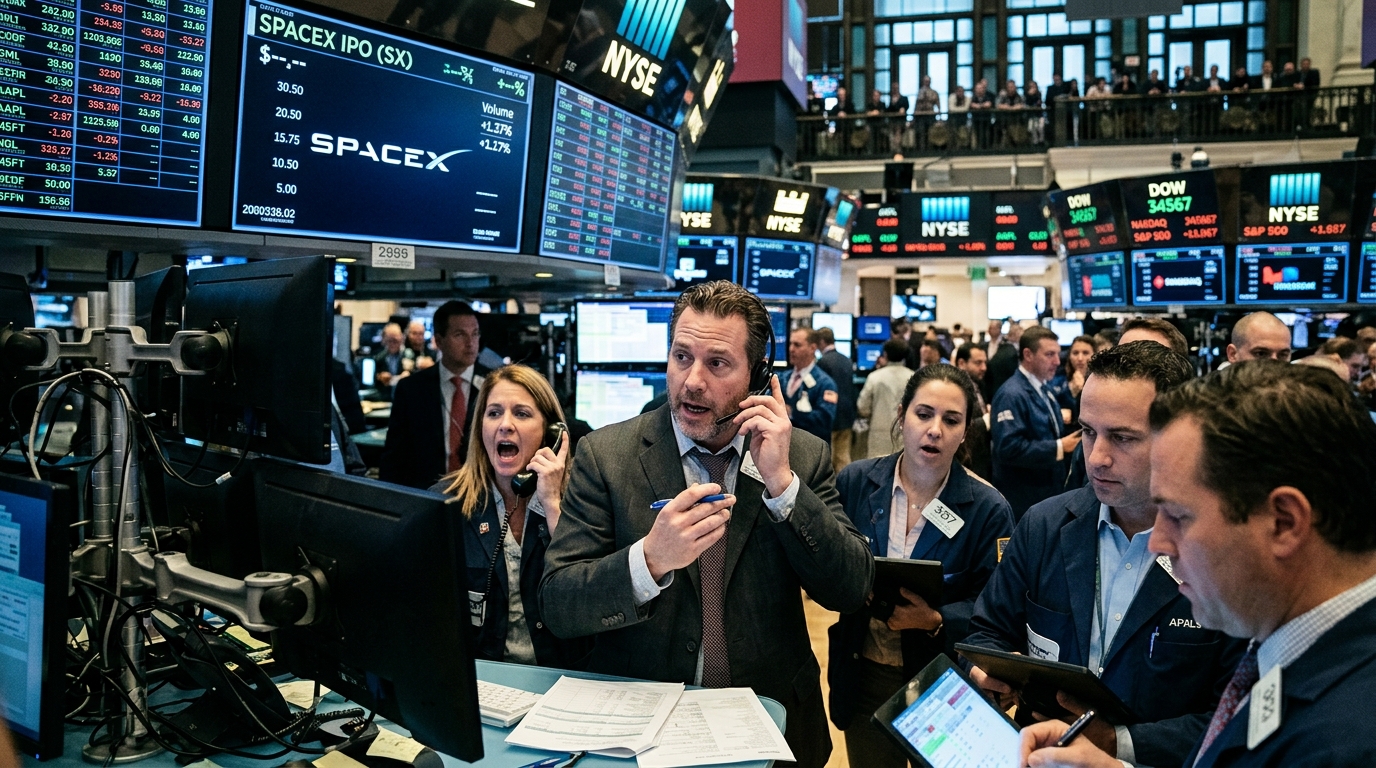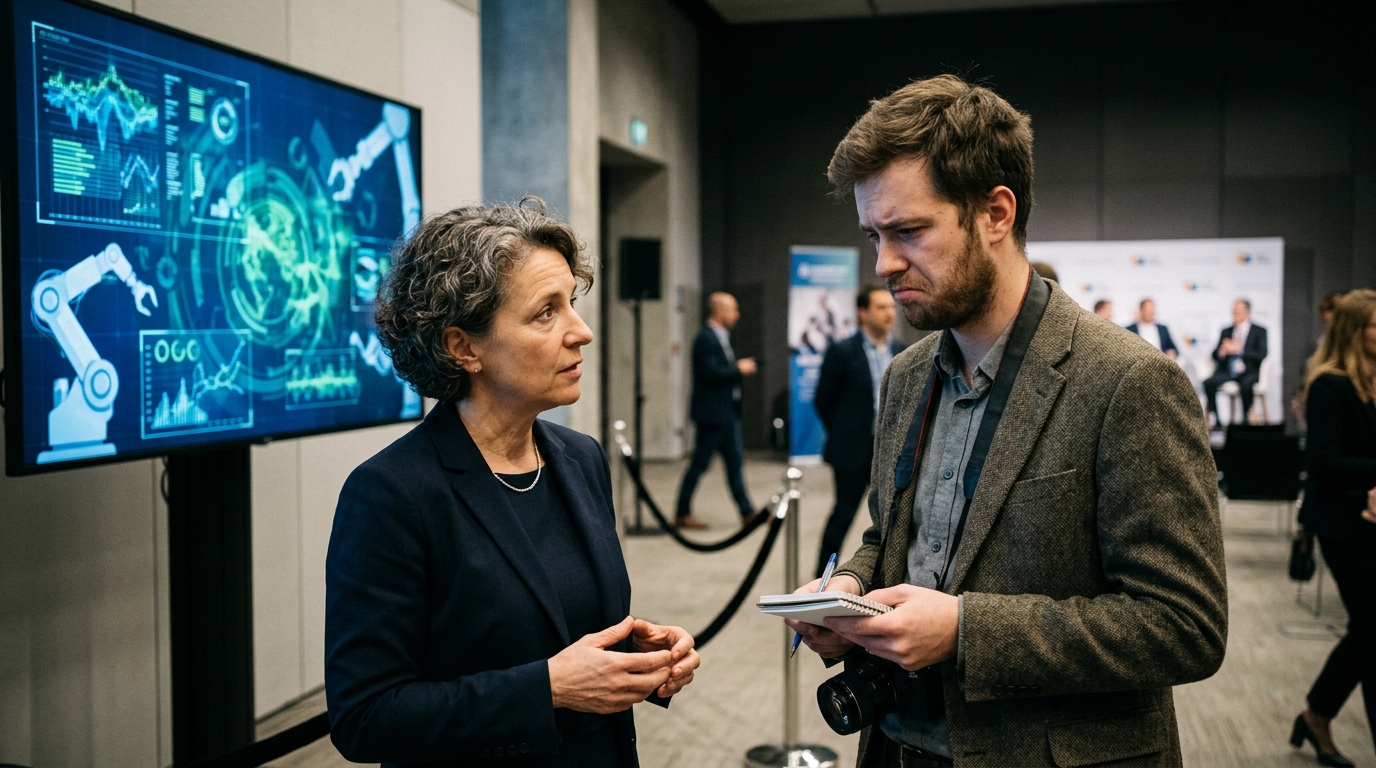
In the modern corporate landscape, the term "Artificial Intelligence" (AI) has shifted from a technical description to a potent marketing talisman. Much like "greenwashing" was used to bestow a faux ecological conscience upon companies far from sustainable, "AI washing" is now emerging as the new grand challenge for regulators, investors, and consumers alike. This practice involves overstating or outright misrepresenting a company's AI capabilities to inflate stock prices or attract customers.
From Automation to "Pseudo-Intelligence"
The phenomenon is not merely an innocent exaggeration by public relations departments. At its core, AI washing exploits the lack of a clear, universally accepted definition of what constitutes true Artificial Intelligence. Many companies label simple algorithms, basic statistical models, or even manual processes performed by humans behind the scenes as "AI-powered." The allure of the term is so strong that its inclusion in an earnings call or a prospectus can lead to an immediate bump in valuation.
However, the chasm between a sophisticated neural network and simple automation software is vast. When a firm claims to use AI for market trend prediction while actually utilizing basic Excel regression, it isn't just committing an ethical lapse; it is jeopardizing the credibility of the entire tech industry. The "bubble" created by such practices threatens to burst spectacularly, dragging down even those businesses that are genuinely investing in breakthrough innovation.
Regulatory Reckoning
Watchdogs worldwide have begun to show their teeth. The U.S. Securities and Exchange Commission (SEC) has already imposed fines on investment advisory firms that falsely claimed to use AI for portfolio management. Gary Gensler, the SEC Chairman, has repeatedly warned that "AI washing" is illegal and that companies must be truthful about their technological prowess. "If you're using an algorithm, say you're using an algorithm," he recently noted, emphasizing that the law remains technology-neutral.
In Europe, the EU AI Act sets a rigorous framework for transparency. Companies will now be required to document the nature of their systems, especially when these are categorized as "high-risk." Misleading consumers in the EU could lead to astronomical fines, similar to those seen under GDPR. This institutional fortification is essential to separate the wheat from the chaff and protect healthy competition within the single market.
Market Impact and the Trust Deficit
The long-term damage from AI washing is measured not just in dollars or euros, but in a profound loss of trust. When consumers realize that the "smart" product they purchased is nothing more than a pre-programmed script, the disillusionment reflects on the entire AI ecosystem. This could potentially trigger a new "AI Winter," where investment dries up due to the pervasive fear of deception.
- Investment Risk: Investors pouring capital into companies with inflated AI claims face massive losses once reality sets in.
- Ethical Dimension: Using AI as a mask to hide human labor—often underpaid and located in developing nations—is one of the darkest facets of this trend.
- Competitive Disadvantage: Genuine innovators struggle to be heard amidst the cacophony of false promises and marketing noise.
In conclusion, AI washing is a symptom of a market moving faster than its understanding. The need for critical thinking from users and strict oversight from governments is more pressing than ever. Artificial Intelligence has the power to change the world, but only if its development is rooted in truth and transparency, rather than communication gimmicks designed for short-term gain.