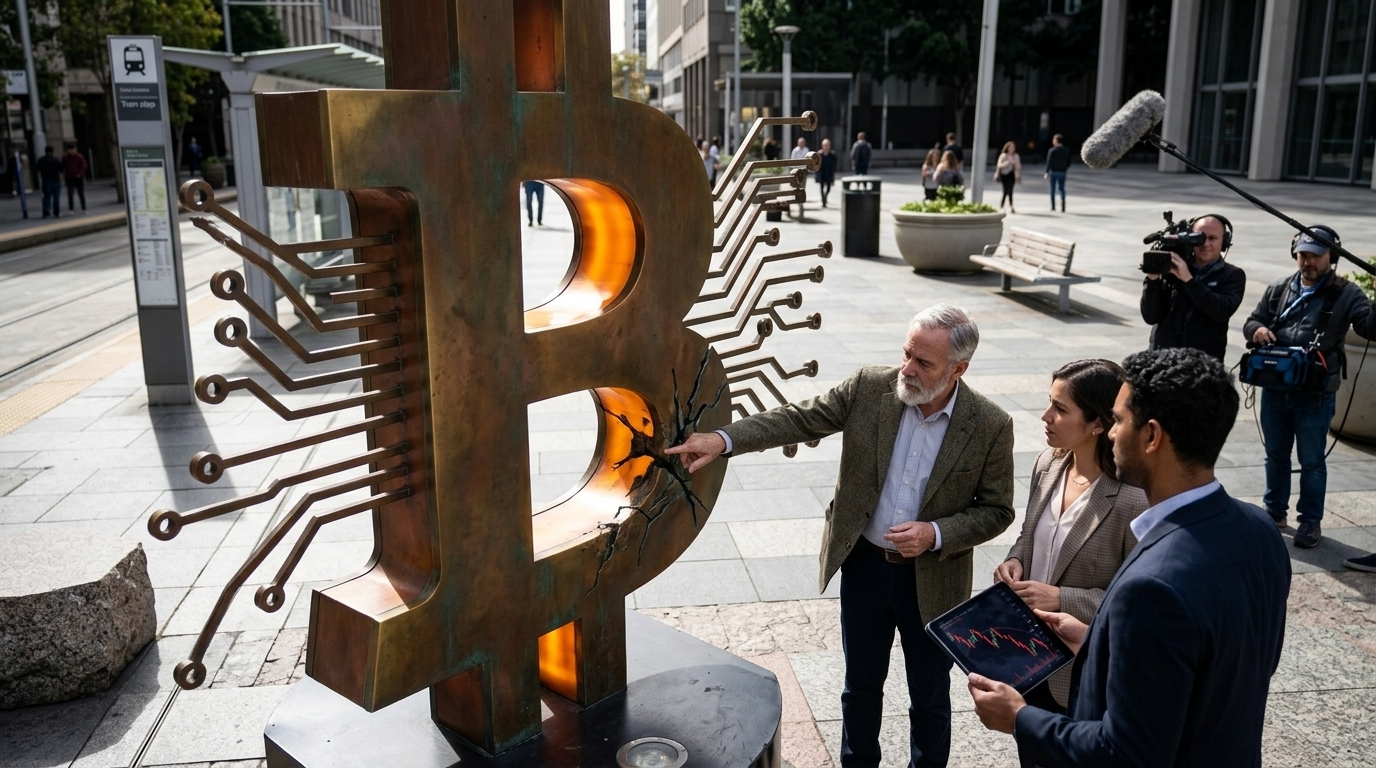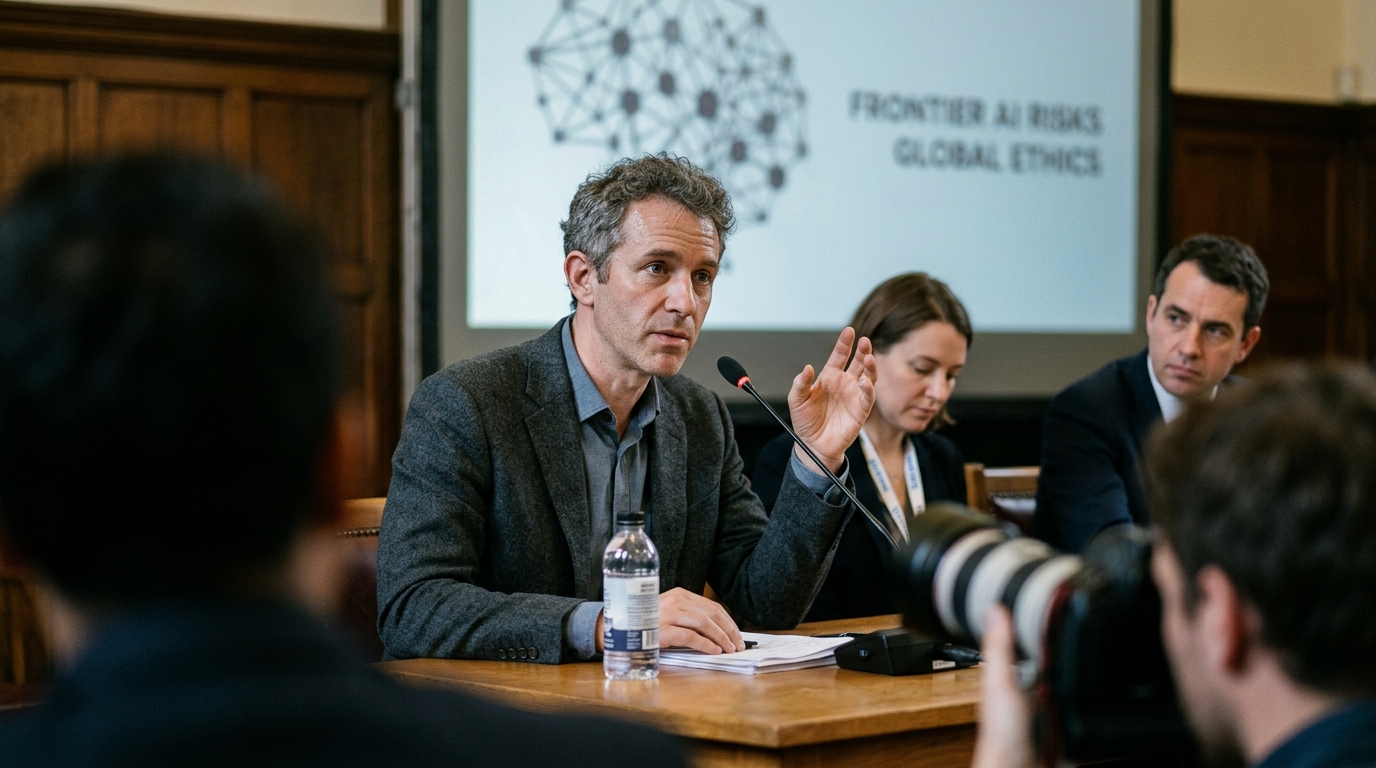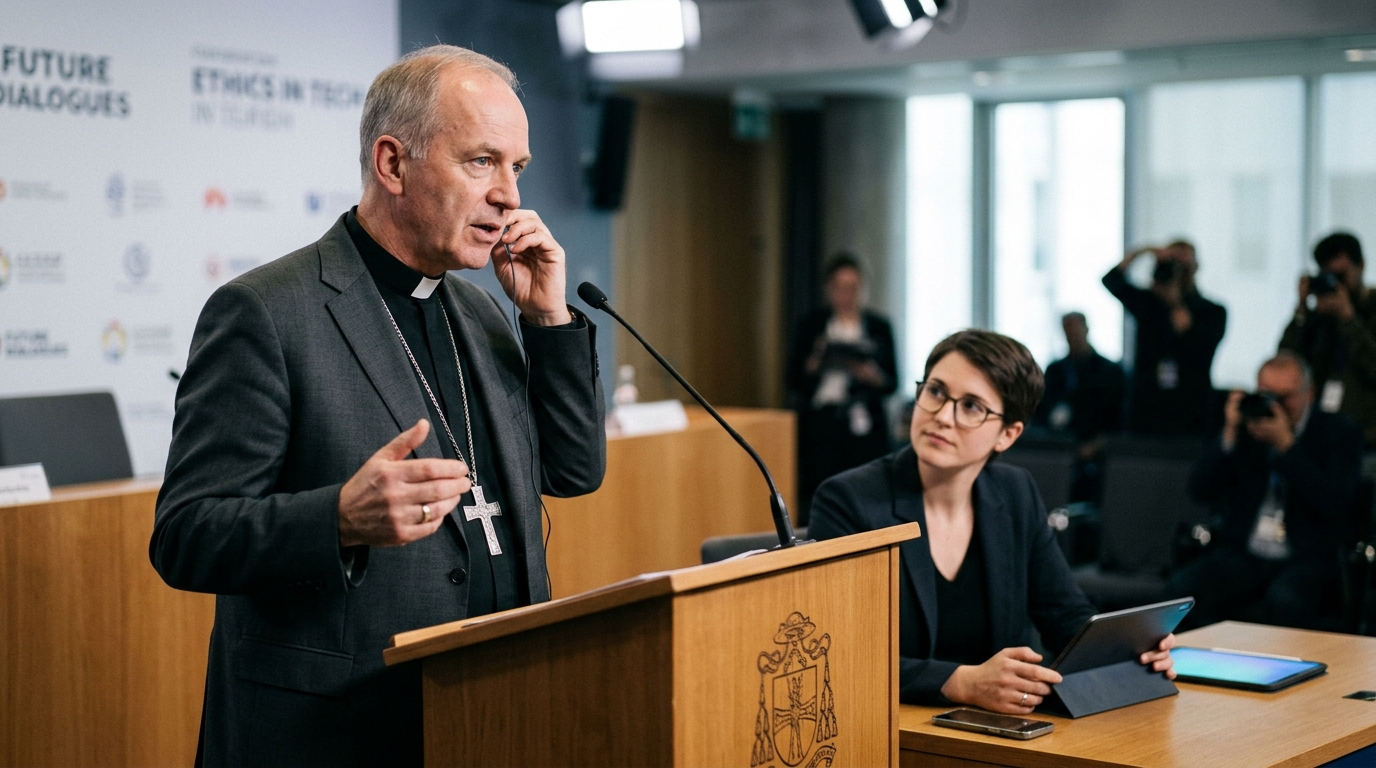
In the rapidly evolving landscape of 2026, Artificial Intelligence (AI) is no longer a mere productivity tool; it is an existential challenge reshaping the foundations of our social structure. As algorithms take on the role of decision-makers in critical sectors—from healthcare to criminal justice—a fundamental question emerges: Who is entitled to hold the moral compass of this evolution? On one side, we have the "owners" of AI—the tech titans of Silicon Valley and Shenzhen—and on the other, the moral voice of the Vatican and Pope Francis, who has emerged as one of the most fervent advocates for "algor-ethics."
The Ethics of 'Algor-ethics' and the Vatican
Pope Francis is no stranger to technology, but his approach is radically different from that of venture capitalists. His intervention at the recent G7 summit and his continuous support for the "Rome Call for AI Ethics" highlight a deep concern: that technology, if left unchecked, will widen inequalities and degrade human dignity. For the Church, AI must serve the "common good" and not be turned into a tool for exclusion or mass manipulation.
The concept of "algor-ethics" promoted by the Vatican is not just about the code, but the values embedded within it. It is a call for transparency, inclusion, and accountability. The Pope argues that decisions concerning life and death, or social welfare, can never be delegated solely to an algorithm without human oversight. This stance stands in direct contrast to the tendency of AI companies to pursue full automation for reasons of cost and speed.
The Creed of Profit and Digital Sovereignty
On the opposite side, the owners of AI—companies like OpenAI, Google, and Meta—operate under a different ethic: that of innovation and the market. For them, slowing down AI development for the sake of ethical concerns could mean losing the competitive edge in a global arms race. The owners argue that AI will solve problems like climate change and disease, and that over-regulation will stifle these possibilities.
However, criticism from analysts like Bill Blain in "Morning Porridge" points to the danger of a new form of feudalism. If the rules of AI are defined only by those who own the computing power and the data, then democracy is at risk. AI owners are not elected, nor are they accountable to the public interest; they are accountable to their shareholders. This creates a power vacuum where technological superiority translates into political and moral authority, without the necessary checks and balances.
The Search for a Middle Ground
The conflict between the Pope and the AI owners is not merely a dispute between religion and science, but a battle for the soul of the 21st century. The solution may not lie in the victory of one over the other, but in the creation of a global governance framework that integrates ethical principles into the market structure.
- The need for "Human-Centric AI" that respects fundamental rights.
- The enforcement of strict transparency rules for training data.
- The creation of international bodies to audit AI models before their public release.
Ultimately, the question of "who to listen to" is misleading. We must listen to the Pope's ethical warnings to protect humanity, but we must also understand the dynamics of AI owners to avoid falling behind in progress. The real challenge is ensuring that AI does not become a new "God" demanding blind obedience, but a partner that enhances human creativity and justice.
"Technology is a gift, but it must remain at the service of man and not vice versa."
As we move through 2026, the pressure for regulation is mounting. The European Union, with its AI Act, has taken the first step, but the ethical dimension remains fluid. The Pope's voice serves as a necessary conscience in an era where the speed of change tends to make us forget our values. On the other hand, AI owners remind us that stagnation is also a risk. The balance between these two poles will determine whether AI becomes humanity's greatest blessing or its greatest curse.