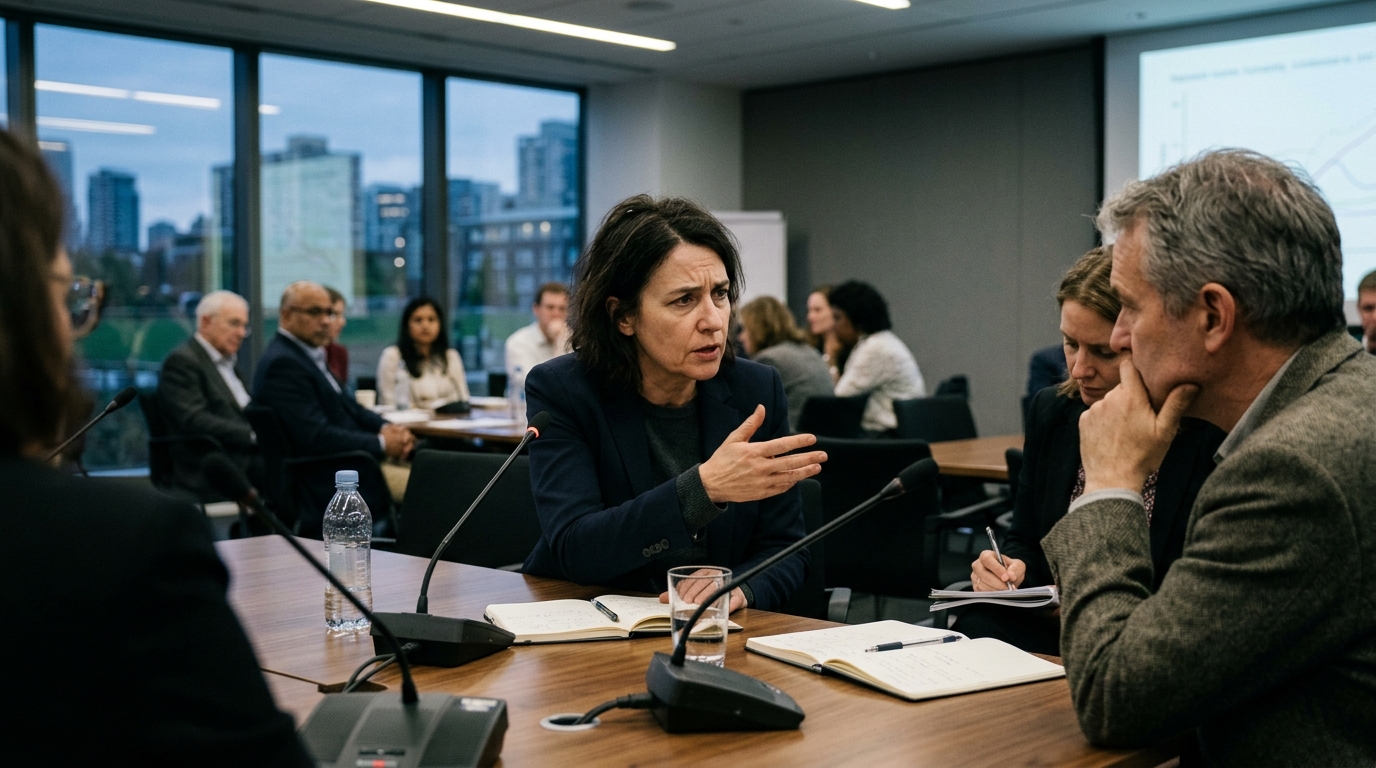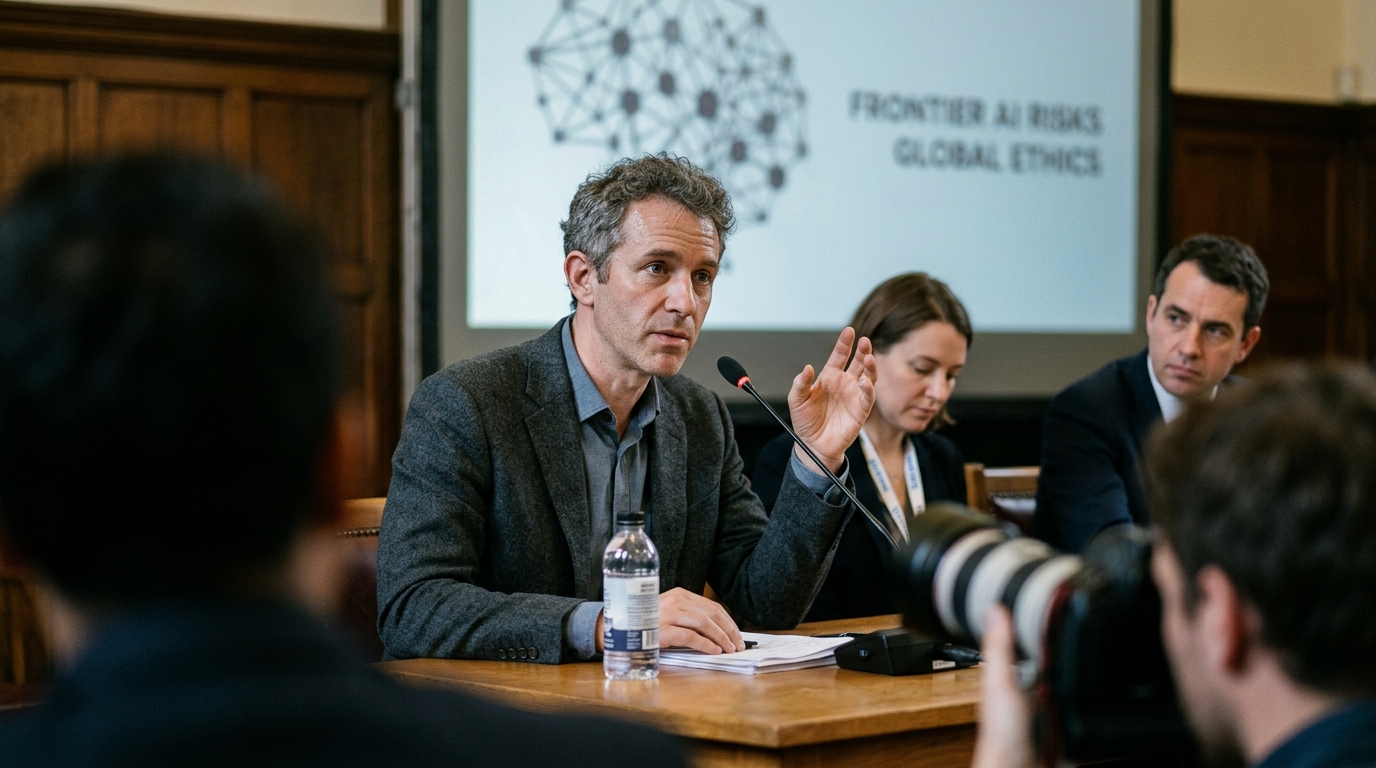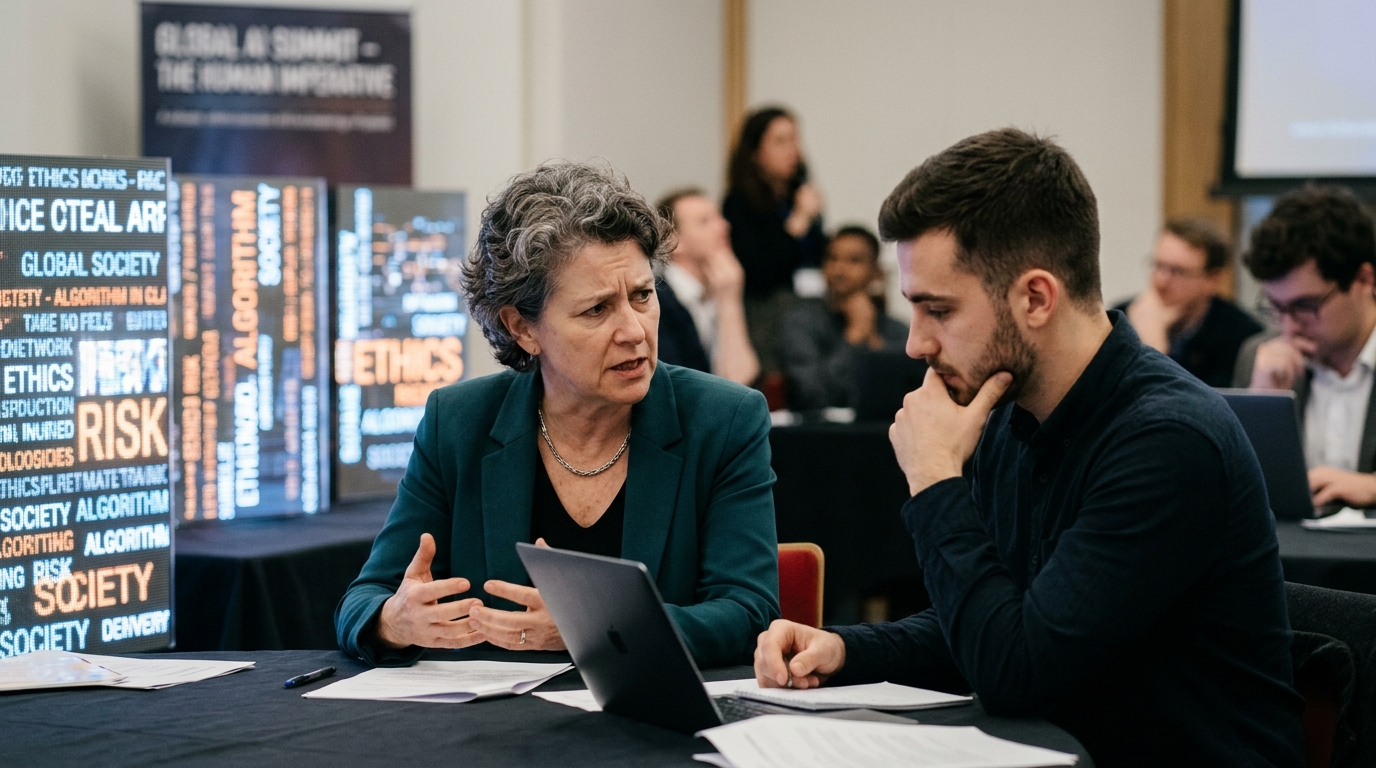
The age of innocence for Artificial Intelligence (AI) has long passed. For years, "loud voices"—ranging from top academics and the "godfathers" of AI to human rights activists—have been warning about the risks inherent in the unchecked development of large language models and autonomous systems. However, as the recent analysis in "TA NEA" points out, rhetoric alone is no longer sufficient. The gap between ethical manifestos and actual corporate governance remains vast, leaving society exposed to risks that range from mass disinformation to the total erosion of privacy.
The Gap Between Words and Deeds
The primary challenge we face today is not a lack of awareness, but a lack of enforcement. Big Tech companies have largely adopted a strategy of "ethics washing," publishing noble-sounding guidelines that lack any legal teeth. When commercial pressures to dominate the Generative AI market intensify, ethical safeguards are often sacrificed on the altar of speed and competitive advantage. Expert warnings, no matter how resonant, frequently crash against the wall of quarterly earnings and the geopolitical arms race between the US and China.
In the global context, this debate is shifting from "what should we do?" to "how do we force compliance?" It is no longer enough to talk about "human-centric AI"; we must establish robust mechanisms to audit algorithms for bias and ensure the transparency of the datasets used to train them. Without these tangible steps, the public's trust in AI will continue to plummet, potentially stifling the positive innovations the technology could otherwise bring to medicine, climate science, and productivity.
The EU AI Act and Its Structural Limitations
The European Union has taken a leading role with the AI Act, the world's first comprehensive legal framework for artificial intelligence. Nevertheless, critics argue that even this ambitious project may prove inadequate if not accompanied by powerful oversight bodies. Loud voices within the EU point out that exemptions for national security or the use of biometric identification in public spaces are loopholes that could undermine the very spirit of the legislation. The bureaucracy in Brussels often moves at a snail's pace, while AI technology evolves at an exponential rate.
- The urgent need for independent algorithmic auditing bodies.
- Protecting the intellectual property of creators from unauthorized data scraping.
- Ensuring clear liability frameworks for algorithmic errors with severe social consequences.
The fundamental question is whether we can trust tech giants to self-regulate. The history of social media has taught us that self-regulation is a myth that serves only to maintain the status quo while avoiding accountability. The warnings of scientists must be translated into legislative acts with real consequences, including heavy fines and, if necessary, the mandatory suspension of systems deemed high-risk or harmful to democratic processes.
Towards a New Digital Humanism
Moving from warnings to action requires a new social contract. What we call "Digital Humanism" is not an abstract philosophical concept but a set of concrete policy choices. We must invest in public literacy so that citizens can distinguish truth from falsehood in a world saturated with deepfakes. Furthermore, we must strengthen the participation of civil society in technological decision-making processes, ensuring that the future of AI is not decided behind the closed doors of Silicon Valley boardrooms.
"Artificial Intelligence is far too consequential to be left solely in the hands of technocrats and CEOs," argue leading digital ethicists.
In conclusion, the "loud voices" have done their job: they have woken us up. Now, the responsibility shifts to political leaders and international institutions. Ethics without power is mere wishful thinking. If we want AI to serve humanity rather than undermine it, we must transform concern into action, principles into binding laws, and voices into a collective will for oversight and justice. The window for meaningful intervention is closing, and the time for mere rhetoric has ended.