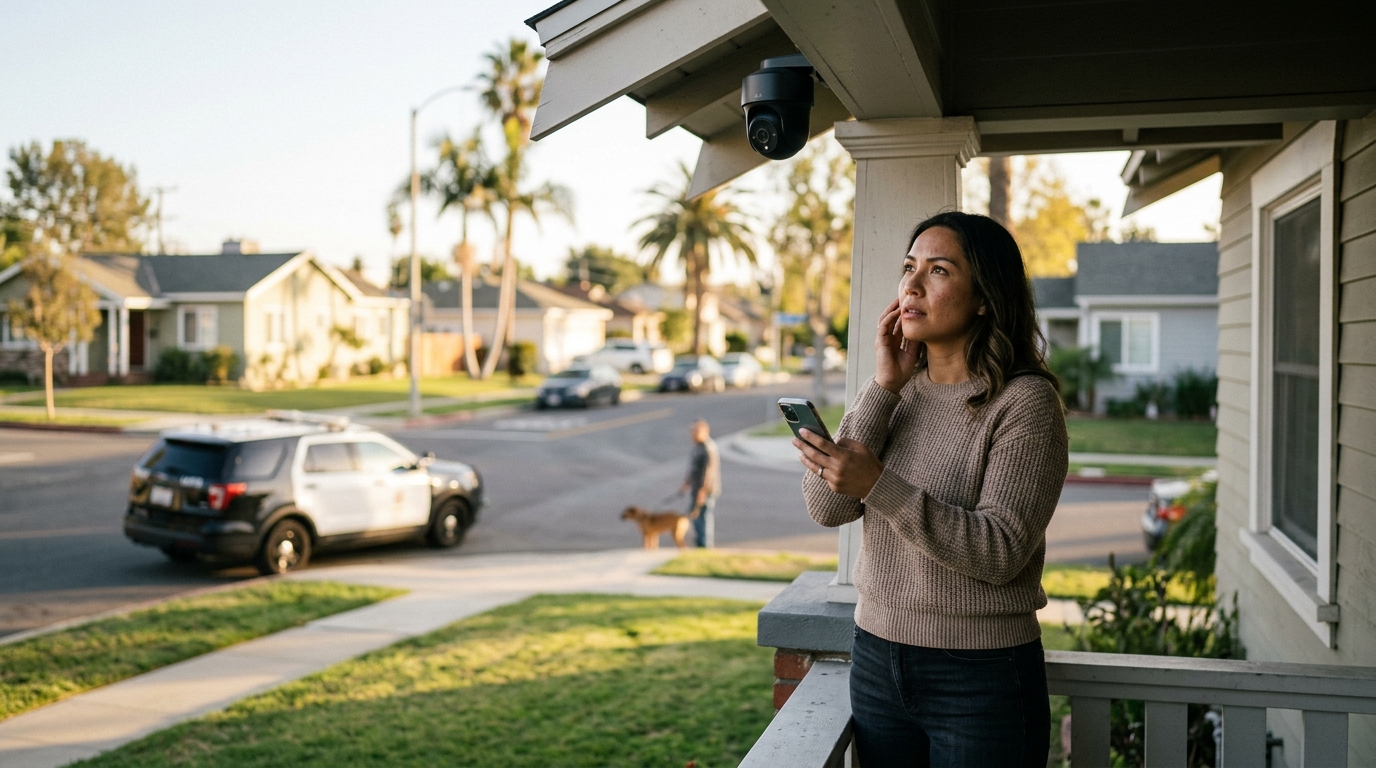
In the heart of the San Fernando Valley, a silent revolution in policing is unfolding as local authorities and residents turn to Artificial Intelligence to combat a disturbing surge in residential burglaries. Traditional security cameras, which once passively recorded events, have now given way to "smart" surveillance systems capable of recognizing patterns, identifying vehicles, and alerting police in real-time. However, this technological fortification brings with it a host of ethical questions that touch the core of modern democracy.
The Technology Behind the Vigilance
The new systems being installed at strategic points across the San Fernando Valley are not mere recording lenses. They are advanced Automated License Plate Recognition (ALPR) platforms enhanced with machine learning algorithms. These cameras can distinguish not only the license plate number but also the make, model, color, and even unique features of a vehicle, such as stickers or roof racks, under any lighting conditions. When a vehicle linked to previous criminal activity enters their field of vision, the system instantaneously sends an alert to patrol cars in the area.
The effectiveness of these systems is indisputable according to the Los Angeles Police Department (LAPD). In many instances, the "burglary crews" preying on affluent suburbs use stolen vehicles or vehicles with cold plates. AI can detect these inconsistencies in seconds, allowing authorities to intervene before a crime is even completed. This shift from reactive to proactive policing is the strongest argument put forward by the technology's proponents.
The Ethical Price of Safety
Despite the benefits, the proliferation of AI surveillance is sending shivers of concern through civil liberties advocates. The primary argument is the so-called "surveillance creep"—the gradual societal normalization of ubiquitous monitoring. When every movement of a citizen is recorded and archived in a central database, the right to anonymity in public spaces is effectively abolished. Who has access to this data? How long is it retained? And what prevents its use for purposes beyond crime fighting, such as monitoring political dissidents or targeting minorities?
"Safety is a public good, but when it is achieved through indiscriminate surveillance, we risk turning our neighborhoods into digital prisons," say digital rights activists.
Furthermore, there is the issue of algorithmic bias. If the historical crime databases feeding the AI contain biases, the system will tend to target specific social groups or areas, reinforcing a vicious cycle of police scrutiny. In the San Fernando Valley, a region with vast socioeconomic disparities, this risk is particularly visible.
A Society at a Crossroads
The case of the San Fernando Valley is not an isolated one. It is a microcosm of a global trend where technology is called upon to fill the gaps in social infrastructure and traditional policing. Residents, terrified by the rise in violent break-ins, often express a willingness to sacrifice a portion of their privacy for the sense of protection. However, history has shown that liberties surrendered in times of crisis are rarely returned.
The future of urban survival seems inextricably linked to algorithms. The challenge for lawmakers is to create a framework of transparency and accountability. The use of AI must be accompanied by strict audits, regular data purging, and, most importantly, community consent. The question is no longer whether technology can protect us, but whether we can protect ourselves from the very technology we created.