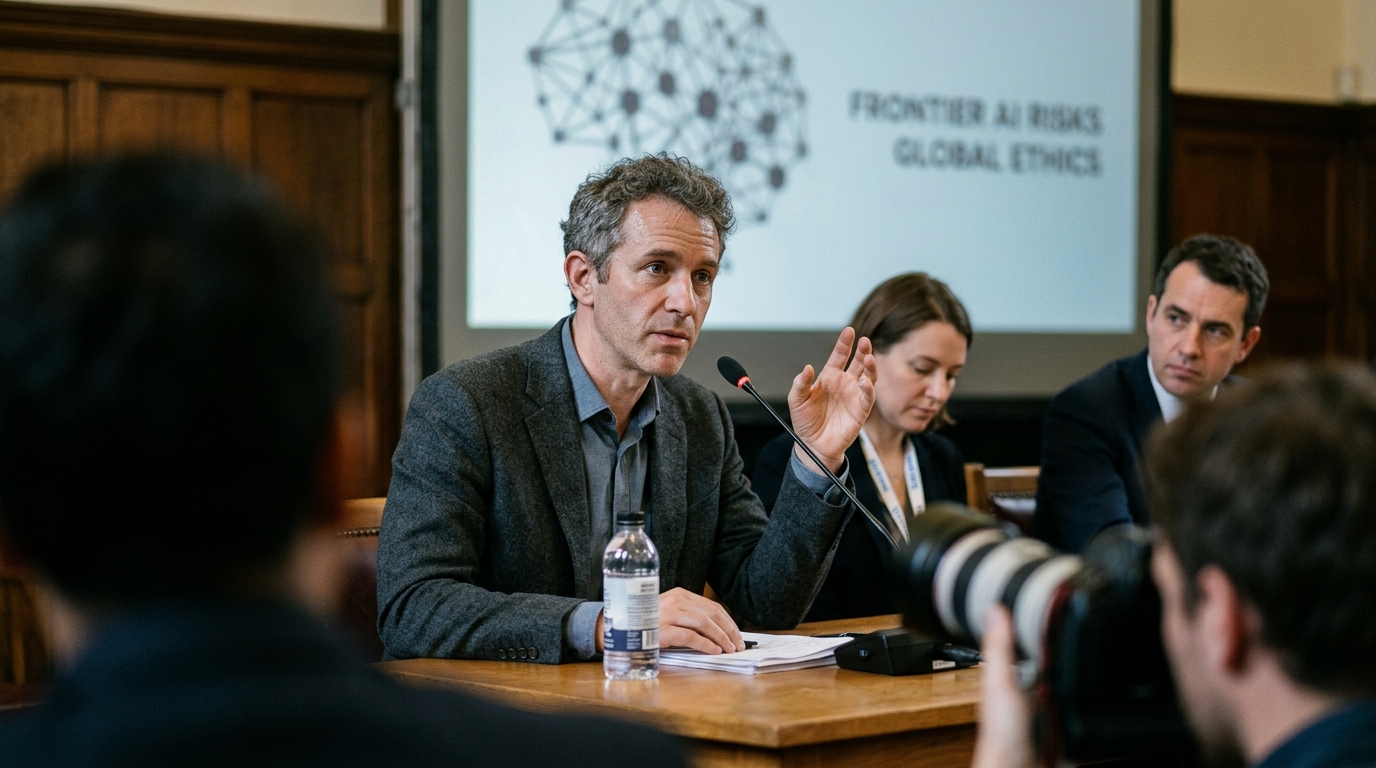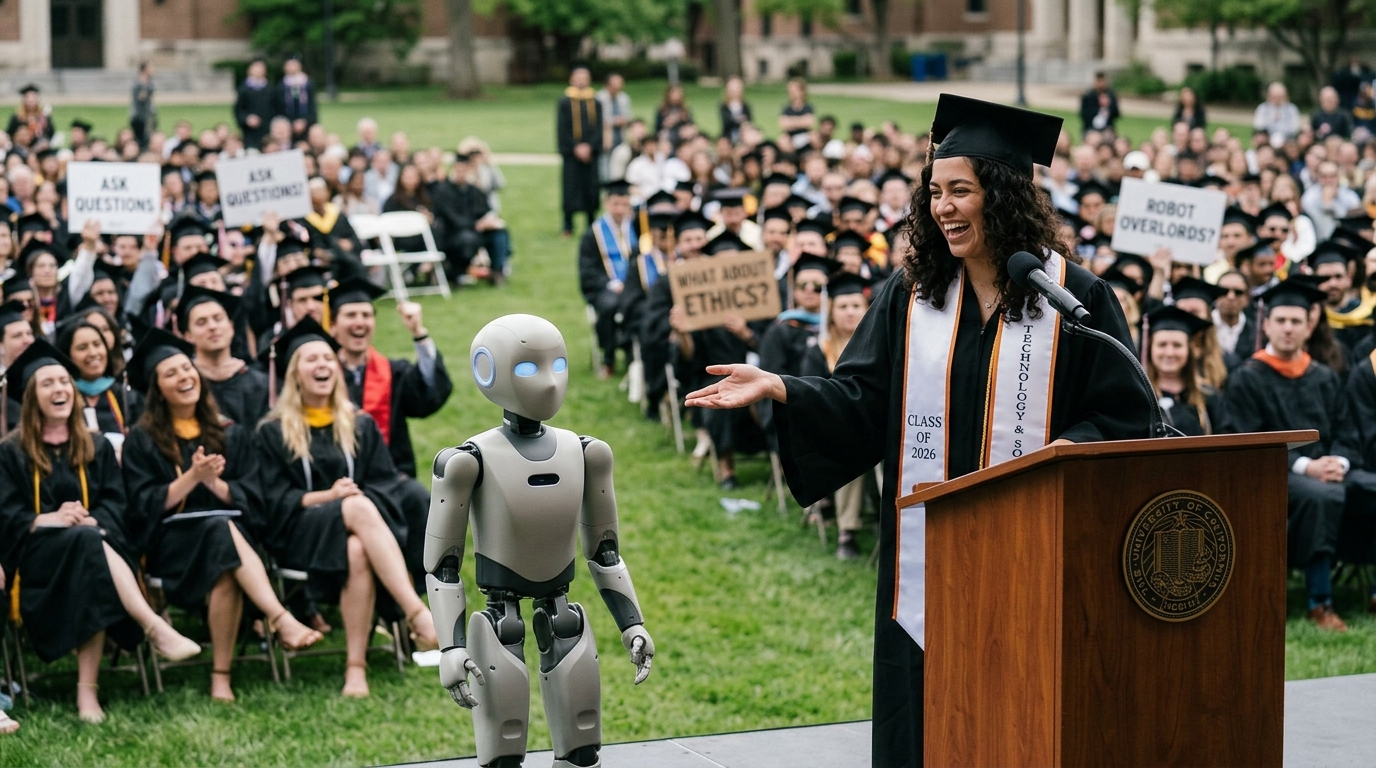
May 2026. On the manicured lawns of universities worldwide, from Stanford to Oxford and the University of Tokyo, the atmosphere of commencement season felt fundamentally different this year. The Class of 2026 is no ordinary cohort; they are the first generation to have spent their entire collegiate journey in the shadow—and light—of generative AI. For these graduates, Artificial Intelligence (AI) was never a futuristic novelty; it was their study partner, their research assistant, and now, their most formidable competitor in the job market.
As reported by Business Insider, this year's commencement speeches, typically filled with platitudes and soaring rhetoric, became a battleground for cultural and existential anxieties. The reactions from the sea of caps and gowns ranged from thunderous cheers to icy silence and visceral jeers. The underlying theme? A desperate, vocal demand for the one thing AI cannot replicate: raw, unvarnished human experience.
The Trap of the 'Lazy' Oration
One of the most polarizing moments of the season occurred at a prestigious technical institute, where a keynote speaker admitted, with a smirk, that 80% of his address had been generated by a GPT-5 model. The response was not the laughter he expected, but a wave of booing. For a generation that spent four years navigating the ethical minefields of AI-assisted learning and facing rigorous 'human-centric' proctoring, seeing their final send-off outsourced to a machine felt like a betrayal.
"We spent four years proving we weren't bots just to be lectured by one on our way out?" one graduate remarked. This sentiment highlights a growing 'AI fatigue.' As the internet becomes saturated with synthetically generated content that mimics human tone without possessing human soul, the Class of 2026 has developed a keen radar for inauthenticity. The speeches that resonated were those that leaned into vulnerability—discussing failure, heartbreak, and the chaotic unpredictability of life—elements that an LLM can describe but never truly embody.
The Job Market Ghost and 'The Elephant in the Room'
Beyond the ethics of speechwriting, the primary source of tension was the economy. The 2026 graduates are entering a labor market where entry-level white-collar roles have been decimated by automation. When speakers attempted to gloss over this reality with techno-optimism—calling AI a 'personal assistant that will liberate your creativity'—they were often met with skepticism or outright derision.
- Graduates jeered at speakers who ignored the displacement of junior roles in law, coding, and marketing.
- They cheered for those who addressed the need for systemic change, such as Universal Basic Income (UBI) or a decoupling of human worth from productivity.
- The loudest applause was reserved for advice focused on 'irreplaceable' human traits: empathy, ethical discernment, and physical presence.
In a particularly viral moment at a New York university, a tech CEO was laughed at when he repeated the trope: "AI won't take your job; a human using AI will." A student shouted back, "Not if the company replaces both with a script!" This exchange encapsulated the disconnect between the corporate narrative and the lived anxiety of the youth.
A Return to Radical Humanism
The message from the Class of 2026 is unmistakable: the more pervasive technology becomes, the more we will prize the authentically human. The speeches that will be remembered from this year were not those that offered career hacks, but those that served as manifestos for a new humanism.
"Do not let the algorithm decide who you are. The algorithm only knows who you were. Your future belongs to you only if you have the courage to be unpredictable,"a renowned poet told graduates, sparking a standing ovation that lasted minutes.
In conclusion, the 2026 commencement ceremonies served as a mirror to our current societal state. AI is no longer a guest in our world; it is part of the architecture. However, our need for connection, recognition, and truth remains unchanged. These graduates aren't asking for less technology; they are demanding more humanity from those who lead the world they are about to inherit.