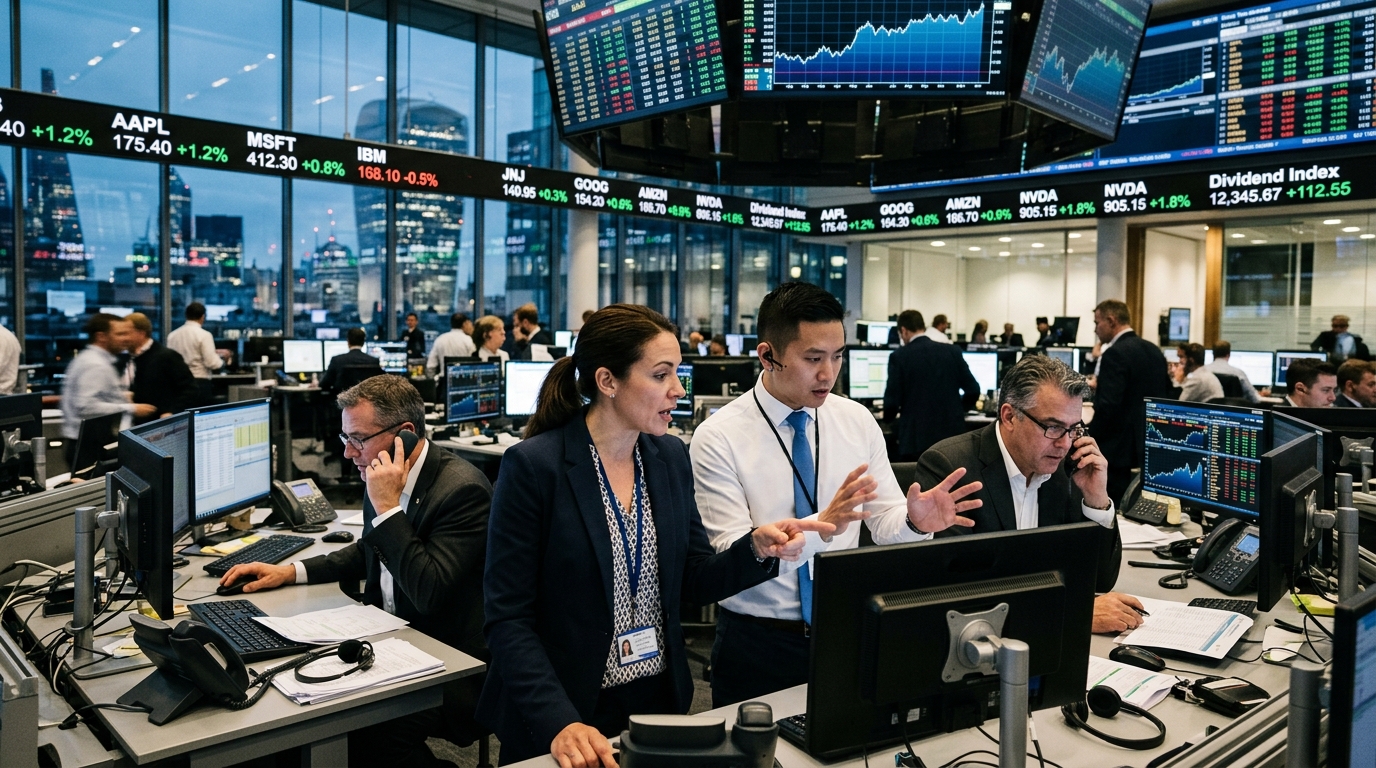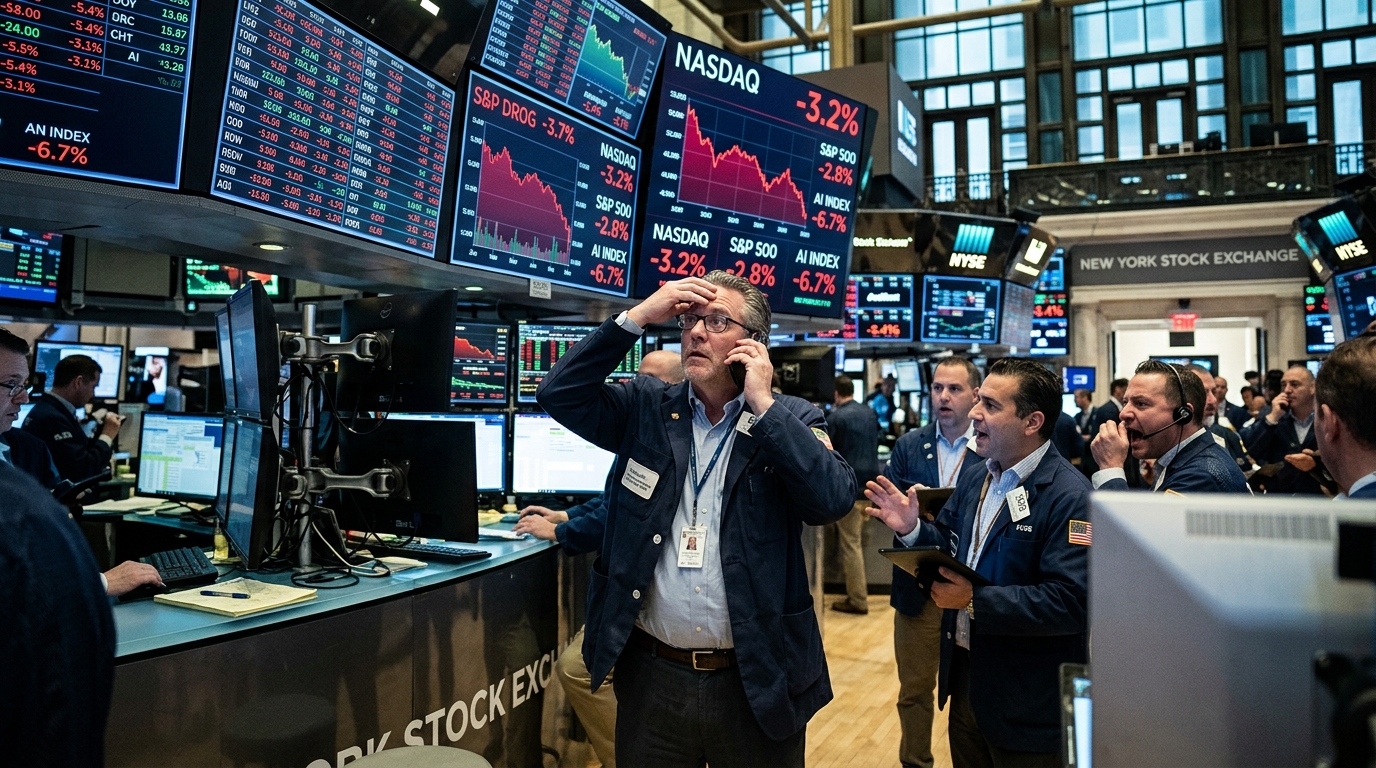
In the glass towers of Manhattan and Canary Wharf, the word "efficiency" has acquired a new, exorbitant price tag: $25,000 a day. This is the fee being paid by the world's leading banking institutions to a new caste of consultants who promise to unlock the next great frontier of the financial sector: Agentic Artificial Intelligence.
The Gap Between Investment and Results
Despite the billions spent on cloud infrastructure and licenses for Large Language Models (LLMs), Wall Street is facing what technocrats call "the last mile problem." Banks have the data and the models, but they lack the knowledge of how to integrate them into their daily, complex workflows. Enter the new AI "gurus," many of whom are former executives from Goldman Sachs and JPMorgan, who understand the inner workings of banks as well as they do the algorithms.
The shift from "Generative AI," which simply synthesizes text or code, to "Agentic AI" is the key. AI agents are not just chatbots. They are autonomous systems capable of making decisions, executing trades, managing risks, and communicating with other systems without constant human intervention. For a bank, the ability to automate credit risk analysis or real-time compliance is not just an upgrade; it is an existential necessity.
Why Does Expertise Cost So Much?
The question often asked in shareholder circles is why these services cost $25,000 a day. The answer lies in scarcity. There are thousands of AI engineers, but very few of them understand the labyrinthine regulatory requirements of the SEC or the subtle nuances of derivative products. These consultants act as translators between two worlds that traditionally speak different languages: Silicon Valley and Wall Street.
"We aren't selling software. We are selling the ability to turn a 50,000-person organization into a machine that moves at the speed of silicon," says one of the consultants featured in the Bloomberg report.
This "translation" involves redesigning entire departments. Instead of armies of junior analysts spending 14 hours a day reviewing spreadsheets, banks envision a future where a single senior banker oversees a fleet of ten digital agents. The long-term cost savings are immense, making $25,000 a day seem like a rational capital investment.
Cultural Resistance and the Fear of Replacement
However, the path to full automation is not without obstacles. Internal resistance is fierce. Middle managers fear, rightly so, that the success of these consultants will signal the end of their own careers. There is also the issue of liability. If an autonomous AI agent makes a flawed investment decision costing hundreds of millions, who is responsible? Regulators are watching closely, and AI gurus must convince not only CEOs but also lawmakers that their systems are robust and safe.
Furthermore, the reliance on external consultants highlights a weakness of traditional banks: their failure to cultivate an internal technological culture. While tech giants like Google and Microsoft develop their own tools, banks remain shackled to their legacy systems, forced to pay astronomical sums to bridge the gap.
The Future of Work in Finance
At the end of the day, the rise of high-priced AI consultants is the harbinger of a profound change. Wall Street in 2026 looks nothing like it did in 2016. Value is no longer found in possessing information, but in the speed of processing and execution. As AI agents become more sophisticated, the need for human intervention will be limited to high-level strategic decisions and managing client relationships that require empathy.
The question remains: will banks manage to complete this transformation before tech companies themselves invade the banking services space? At $25,000 a day, banks are betting that the answer is yes. But on Wall Street, every bet has its risk, and in this case, the risk is the very human nature of the banking system itself.