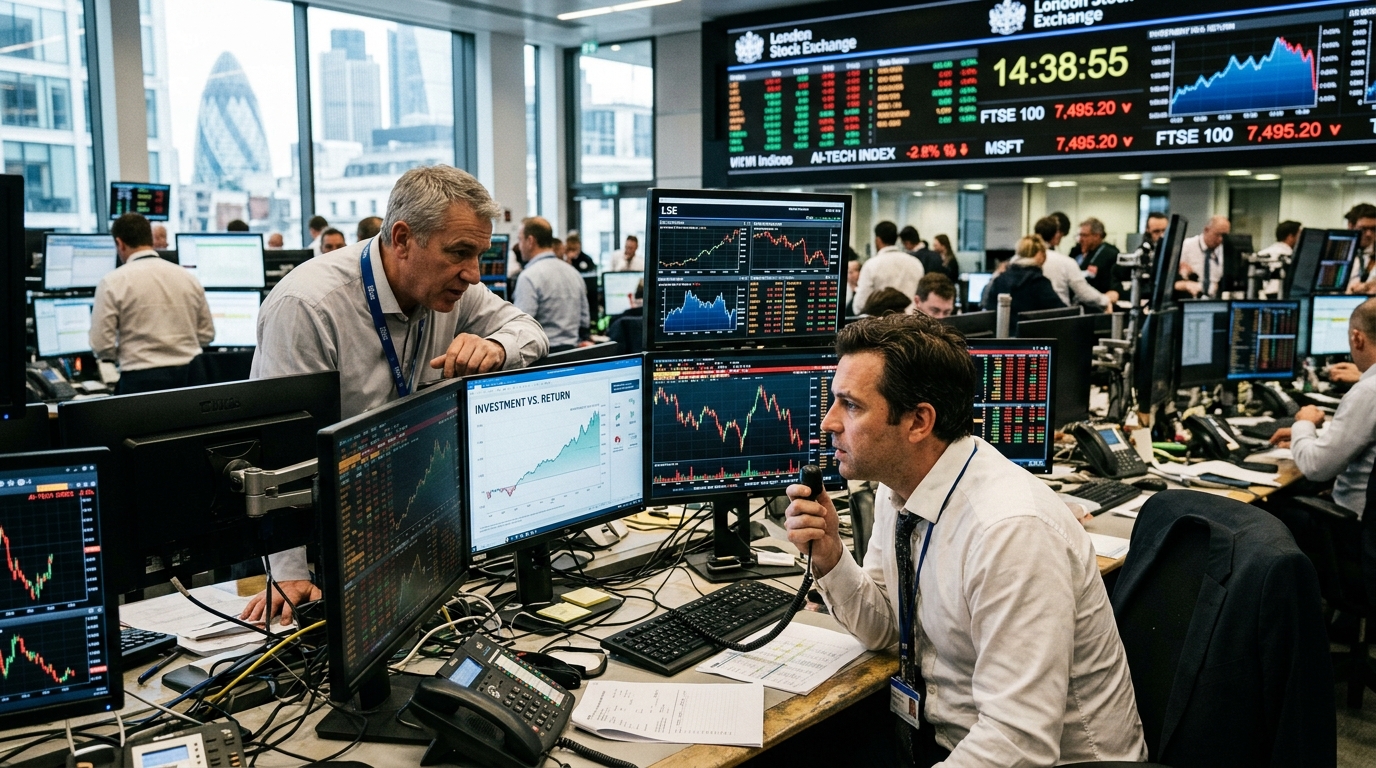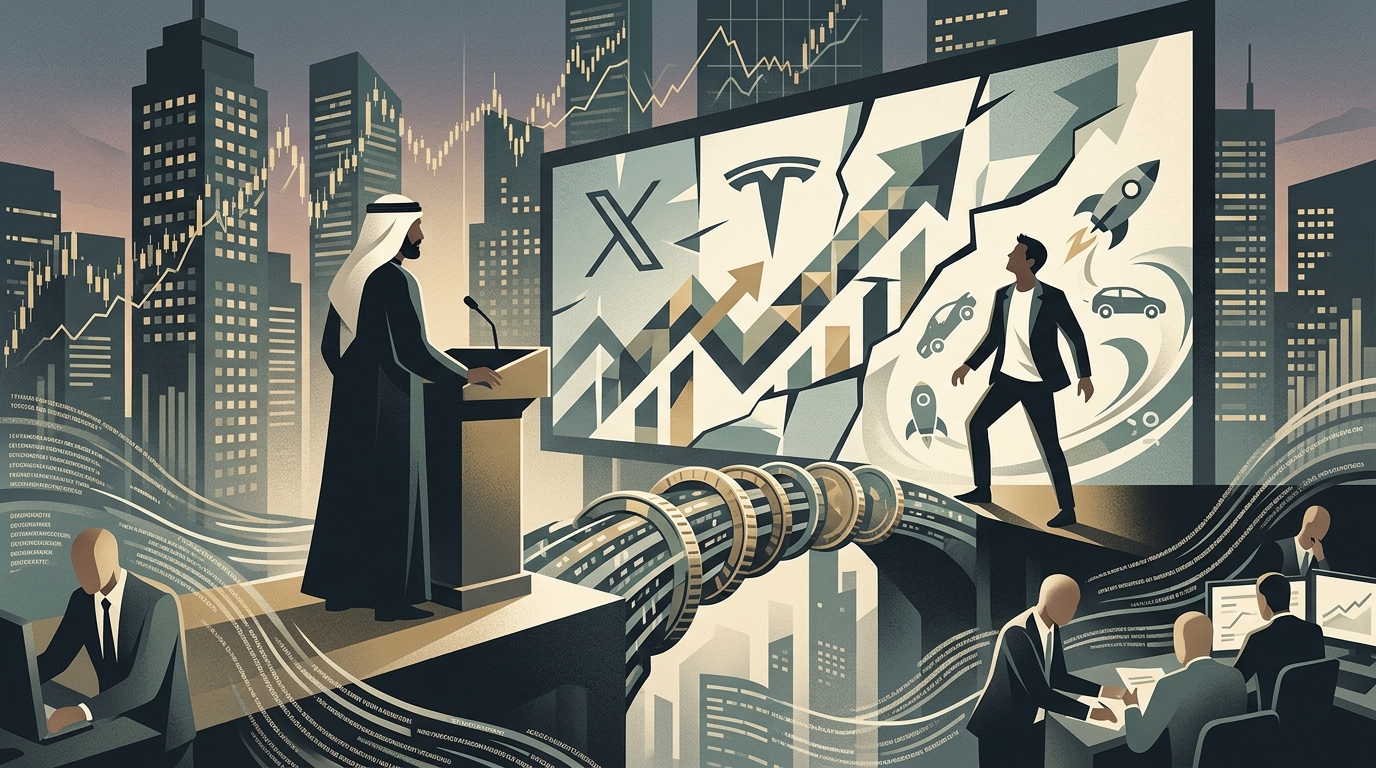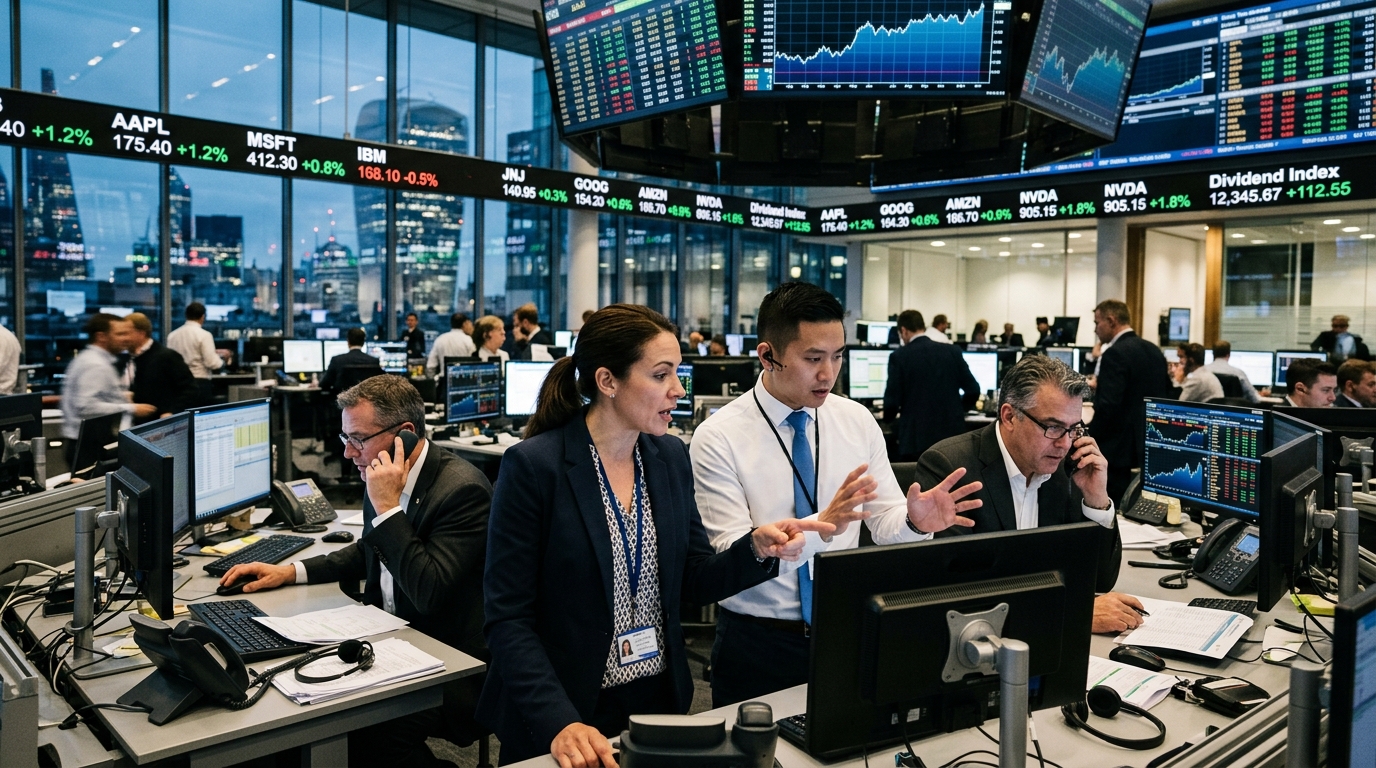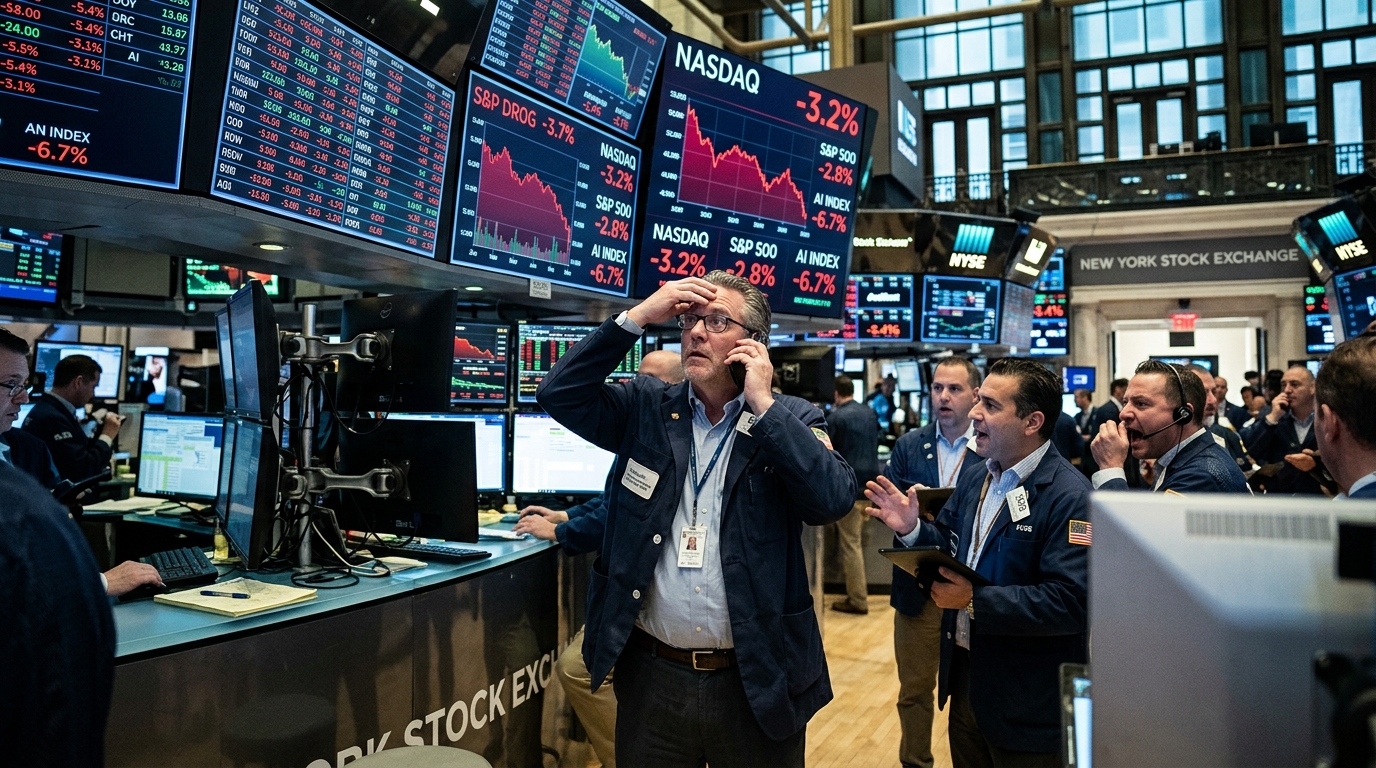
The history of financial markets is a succession of euphoric cycles followed by abrupt landings. Today, as the first half of 2026 unfolds, the question looming over Wall Street and global decision-making centers is not whether Artificial Intelligence (AI) is revolutionary, but whether its valuation has transcended all rational limits. According to recent Bloomberg analyses, the possibility of an AI 'bubble' is no longer a fringe scenario but a systemic threat that demands urgent attention.
Echoes of 2000 and Today's Parallels
Comparing the current environment to the dot-com bubble of the late 1990s is inevitable. Back then, the promise of the internet led to astronomical valuations for companies that often lacked revenue models. Today, the situation is qualitatively different but structurally similar. The 'Magnificent Seven' (Apple, Microsoft, Alphabet, Amazon, Meta, Nvidia, and Tesla) have seen their stocks soar on the expectation that AI will transform every facet of global productivity.
- Nvidia's Dominance: The company has become the symbol of the era, providing the 'picks and shovels' (GPUs) for the AI gold rush.
- Capital Expenditure (Capex) Surge: Tech giants are spending hundreds of billions on data centers, yet they have yet to demonstrate proportional profits from consumer-facing AI products.
- The Revenue Gap: While infrastructure is being built at a record pace, enterprise adoption lags due to high implementation costs and technical complexity.
"The market is pricing in perfection, but the reality of AI is still fraught with hallucinations and immense operational costs," notes a Bloomberg senior analyst.
The Burst Scenario: From Wall Street to Main Street
What happens if investors suddenly decide that the Return on Investment (ROI) for AI will take significantly longer than anticipated? A sharp correction in stock prices could trigger a chain reaction. First, household wealth in the US and Europe, which is closely tied to pension funds and tech-heavy mutual funds, would take a massive hit, stifling consumer spending.
Second, the tech labor market, which has already experienced significant volatility, could face a total freeze. Startups relying on a steady stream of venture capital would see their funding evaporate, leading to a wave of bankruptcies. What begins as a stock market correction could rapidly evolve into a credit crunch for the broader innovation sector.
Geopolitical and Regulatory Uncertainty
The bubble isn't just threatened by financial metrics; it faces institutional headwinds as well. The European Union, with its AI Act, and the US, through ongoing Congressional oversight, are attempting to rein in the technology. If regulations become overly restrictive, compliance costs could render many AI applications economically unviable. Furthermore, the rivalry with China is creating a 'digital cold war' that forces companies into expensive localization efforts and semiconductor export restrictions.
The Day After: A Necessary Cleansing?
Many economists argue that a bubble burst might not be catastrophic in the long run. Just as the 2000 crash left behind the fiber-optic infrastructure that built the modern digital economy, an AI correction could clear the landscape. Companies with genuine value and sustainable business models will survive, while the 'AI tourists'—startups with more hype than substance—will be forced out.
Bloomberg's conclusion is clear: The technology is here to stay, but the prices we are paying for it today may belong to the realm of science fiction. The adjustment to reality will be painful, but it is a prerequisite for the healthy growth of the sector over the next decade.