As we navigate the middle of 2026, the global financial architecture faces a challenge that transcends traditional cybersecurity threats. Artificial Intelligence (AI), the very technology that promised to revolutionize transactional efficiency, has become a double-edged sword. In the United States, mobilization is total. From the Treasury Department to the giants of Wall Street, fortifying against AI-driven attacks is no longer a future concern—it is a daily battle for survival.
The New Generation of Cyber Threats: From Deepfakes to Algorithmic Warfare
The days of simplistic phishing emails are long gone. Today, banks confront "hyper-personalized" attacks. Using Generative AI, attackers can create voice clones of bank executives with eerie precision, convincing employees to authorize multi-million dollar transfers. What experts call "vishing" (voice phishing) has become the number one threat in 2026, leveraging the human element of trust through technological deception.
Furthermore, AI enables hackers to conduct brute-force attacks at unprecedented speeds, cracking encryptions that were once considered impregnable. Most concerning, however, is the emergence of algorithmic market attacks. Through "data poisoning"—manipulating the datasets that feed bank AI models—malicious actors can induce artificial volatility or "blind" fraud detection systems while a major heist is underway.
The Treasury’s Strategy and Regulatory Intervention
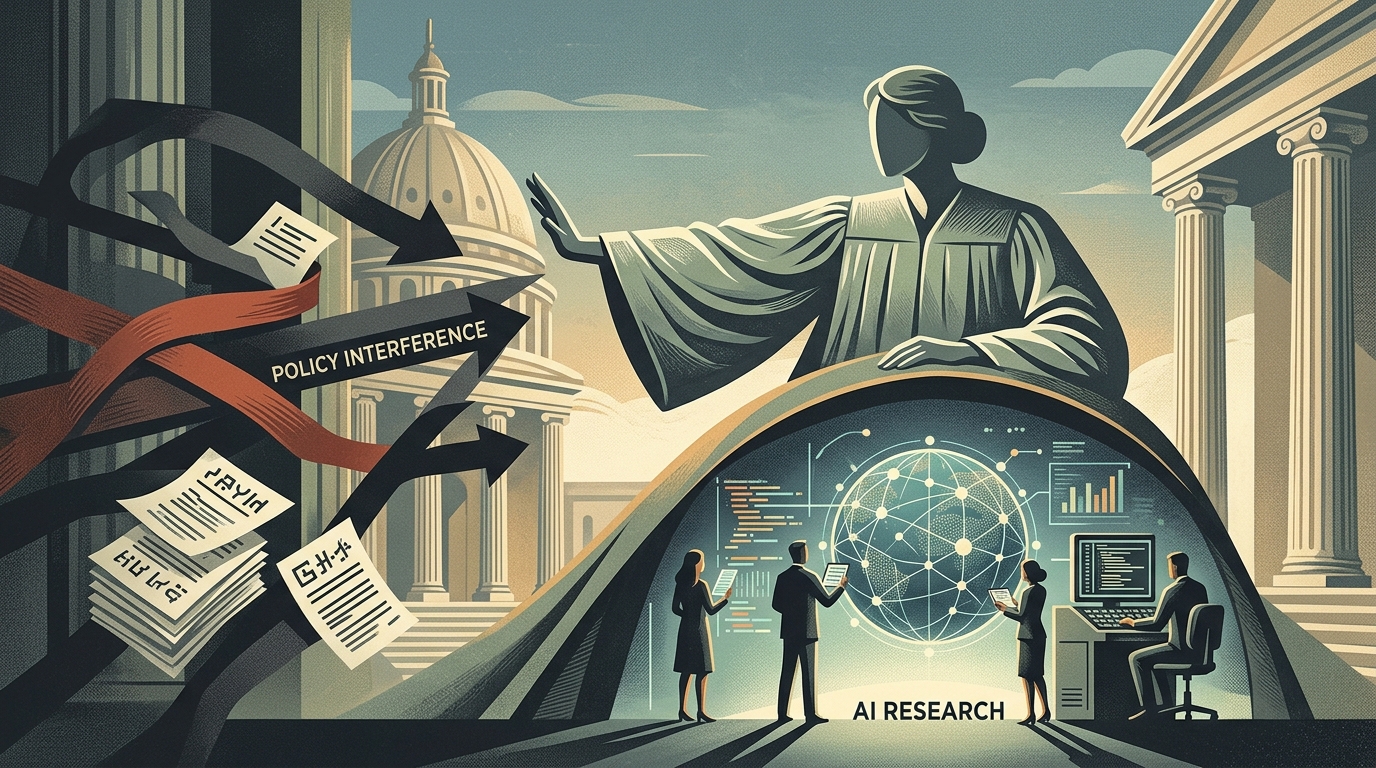
The US government, via the Department of the Treasury, recently issued a comprehensive report mapping the risks of AI for the financial sector. This report is not merely a warning; it is the blueprint for a new regulatory regime. Authorities are now mandating that banks implement "Zero Trust" architectures, where every access request, even within internal networks, must be verified with multiple layers of AI-resistant biometric data.
- Heightened Oversight: The SEC and the Federal Reserve now require institutions to perform "AI Stress Tests," simulating scenarios where their own algorithms are turned against them.
- Public-Private Partnership: The establishment of a shared Information Sharing and Analysis Center (ISAC) allows banks to share real-time data on new AI attack vectors without compromising banking secrecy.
- Investment in Defensive AI: Banks are pouring billions into "Defensive AI"—systems specifically designed to detect the subtle digital footprints left by adversarial AI during an intrusion.
The Economic Dimension and the Psychology of Trust
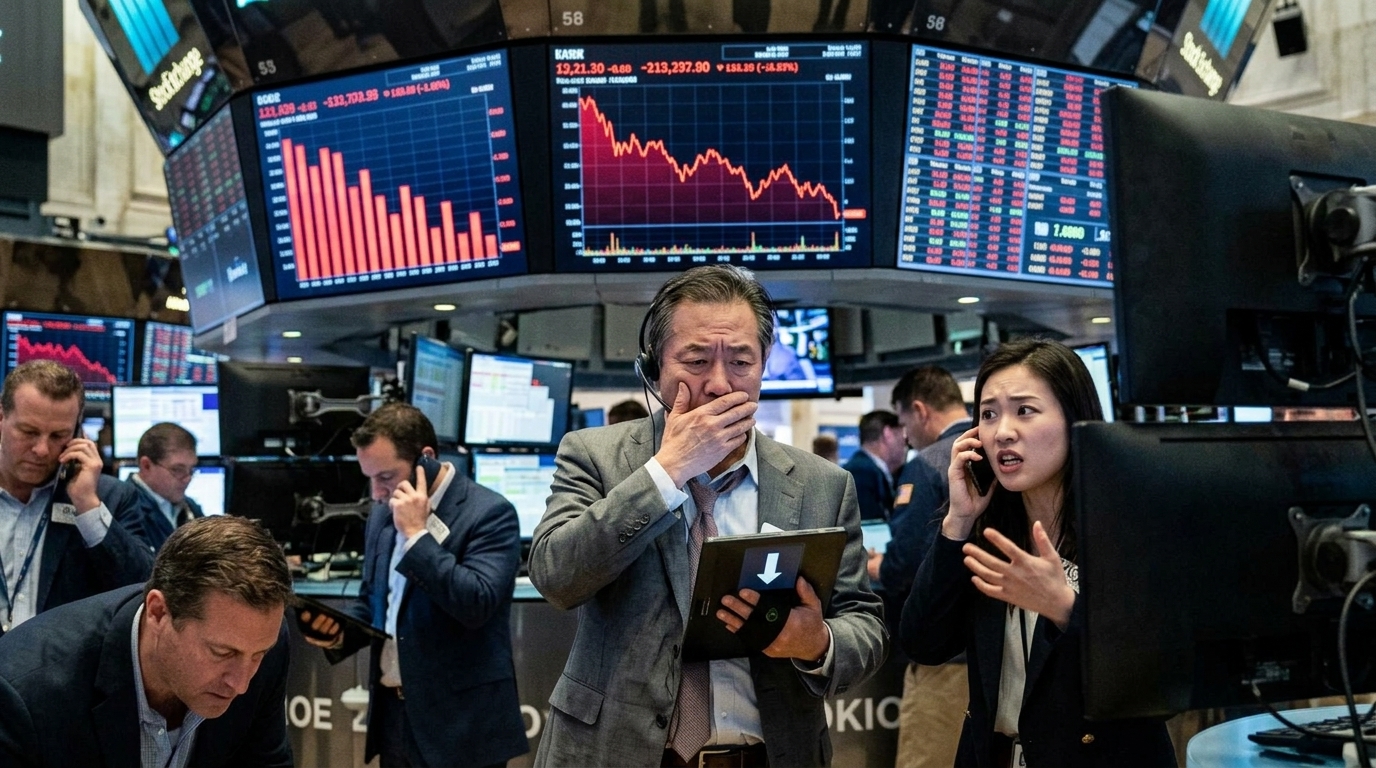
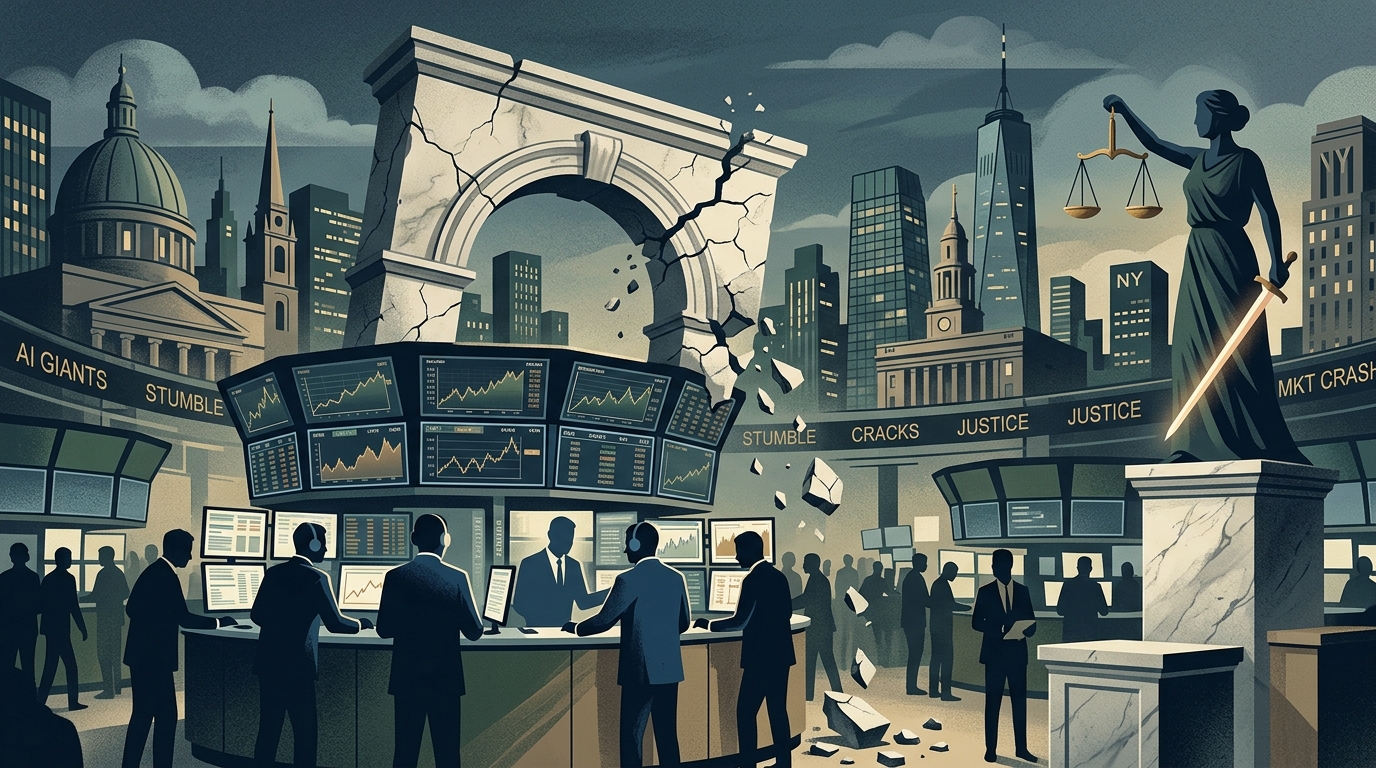
The cost of this digital fortification is astronomical. Major US banks are expected to spend over $15 billion in 2026 alone on AI-related security measures. However, the cost of inaction would be far greater. A successful attack on a Systemically Important Financial Institution (SIFI) could trigger a domino effect across international markets, shattering depositor confidence and destabilizing the dollar.
"Security in the 21st century is no longer a static wall, but a living organism that must evolve faster than the threat it faces," stated a senior JP Morgan executive during a recent Cybersecurity summit in Washington D.C.
In conclusion, the battle for bank security in the US is a harbinger of what is to come for Europe and the rest of the world. Artificial Intelligence is not just changing how we transact; it is redefining the very meaning of financial sovereignty and security. Fortification is no longer an option—it is a prerequisite for the survival of the global financial order.