For decades, Hong Kong has served as China's 'golden gateway' to global capital markets. Today, as the Artificial Intelligence (AI) revolution reshapes the geopolitical landscape, the city is called upon to play a role far more complex and substantial than that of a mere broker. While the initial public offerings (IPOs) of Chinese AI giants like SenseTime and 4Paradigm dominate the headlines, the real opportunity for Hong Kong lies in its ability to become a global laboratory for governance, ethics, and cross-border data flows.
The Strategic Shift to the Hong Kong Stock Exchange (HKEX)
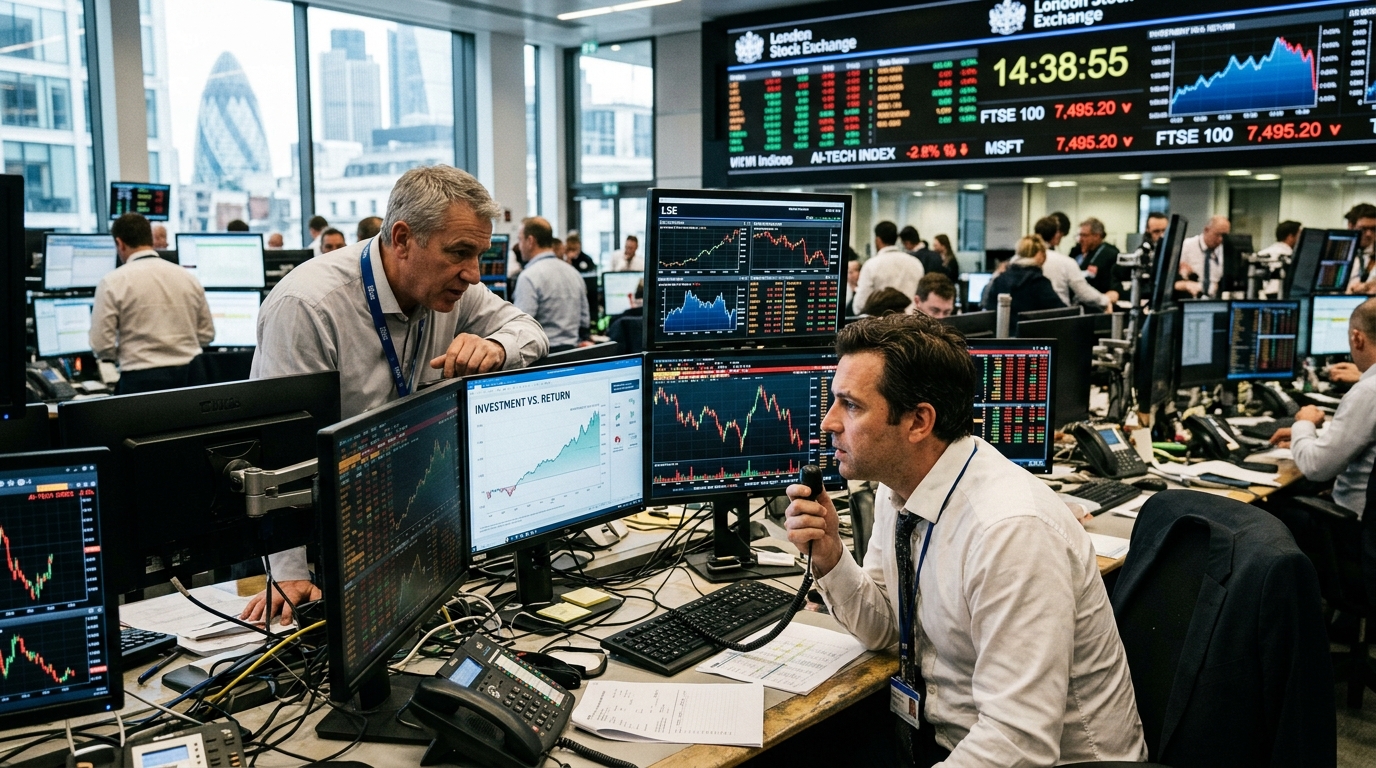
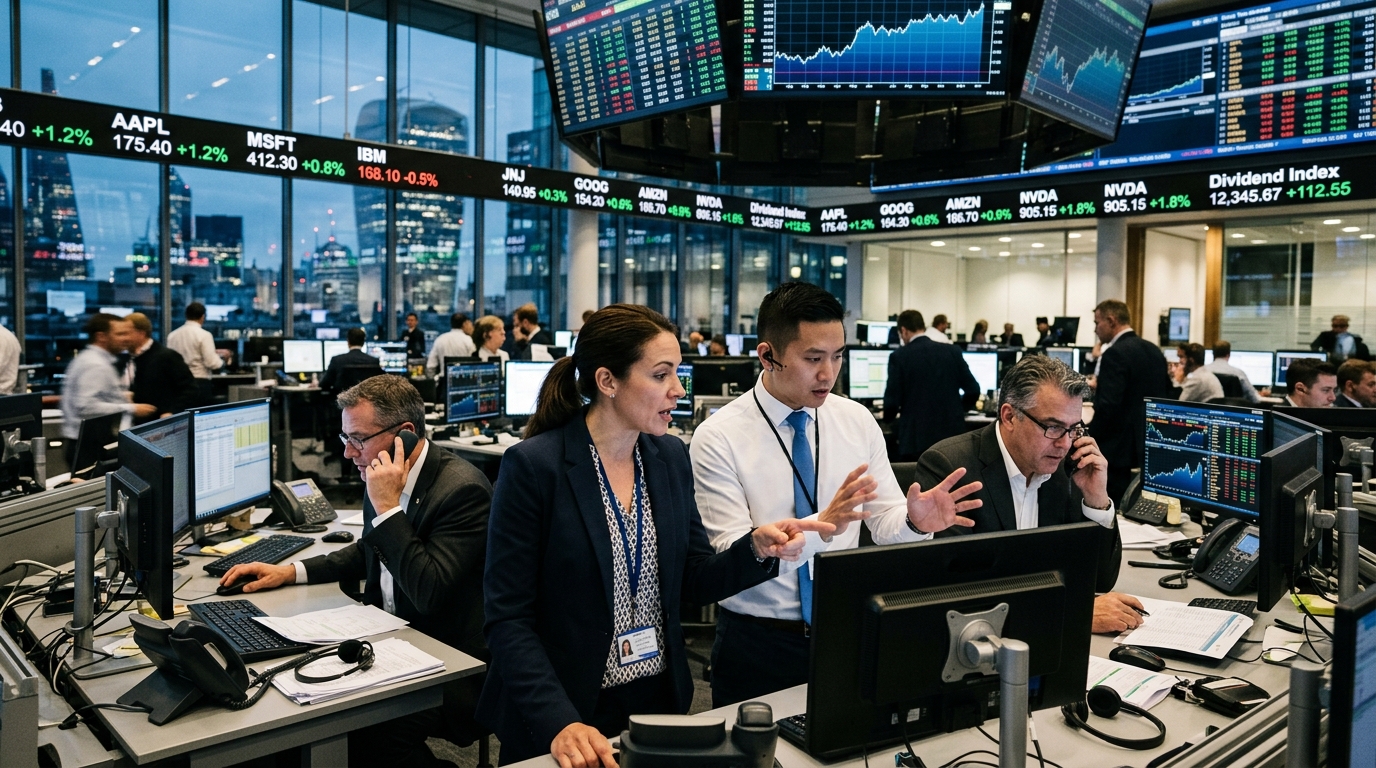
Rising tensions in US-China relations and tighter scrutiny from the US Securities and Exchange Commission (SEC) have made Wall Street an increasingly inhospitable place for Chinese tech firms. In this environment, the Hong Kong Stock Exchange (HKEX) has emerged as the natural destination for Chinese AI 'unicorns.' The introduction of Chapter 18C to the listing rules, which allows pre-revenue specialist technology companies to raise capital, is a clear sign of the city's intent to attract the next generation of innovators.
However, the financial dimension is only the tip of the iceberg. Mainland AI companies, such as Moonshot AI and Zhipu AI, are not just looking for Hong Kong dollars; they seek the international legitimacy offered by the city's legal system, which is based on common law. This 'seal of quality' is essential for their expansion into markets in Southeast Asia, the Middle East, and Europe.
Governance as a Comparative Advantage
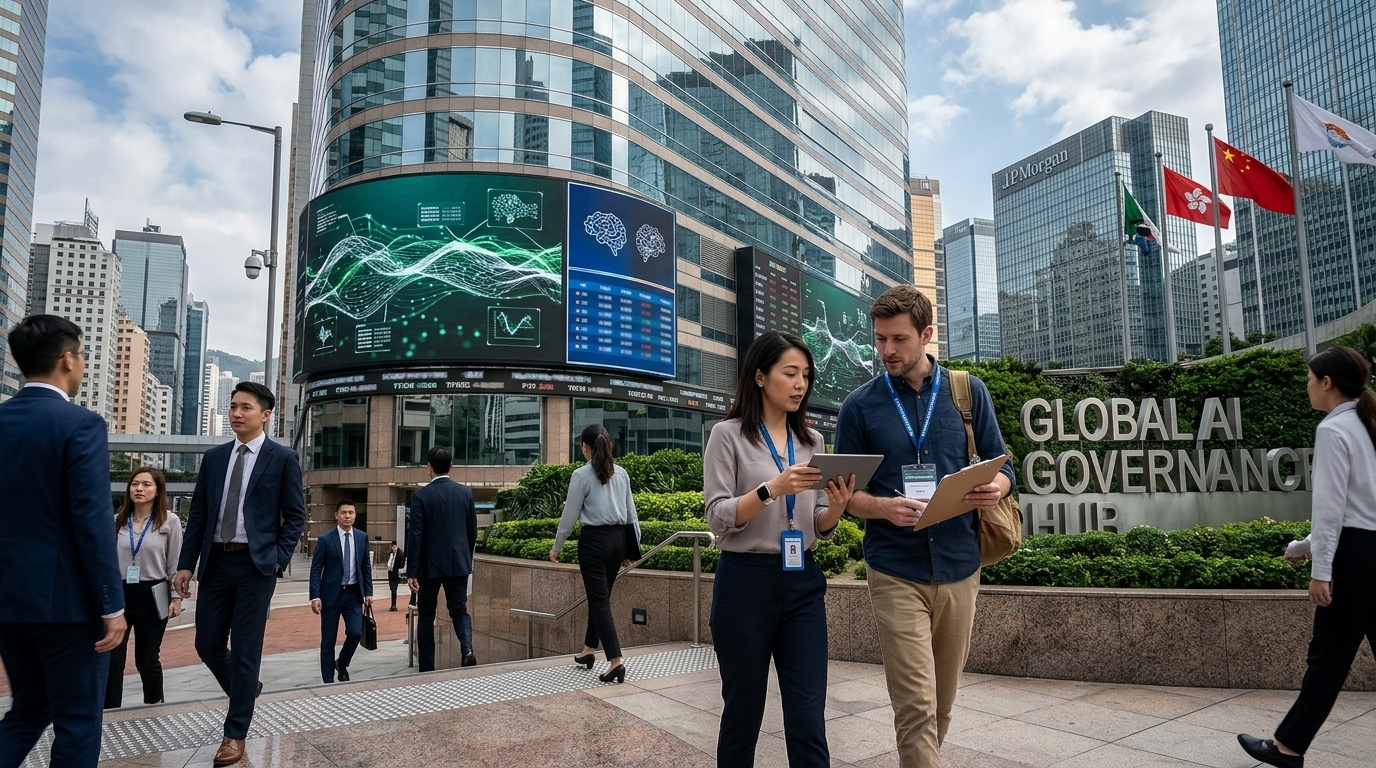
The big bet for Hong Kong is its emergence as a hub for AI governance. As the world becomes divided between the EU's strict regulatory framework (AI Act) and the more liberal approach of the US, Hong Kong can act as a bridge. The city has the unique capability to synthesize Chinese safety standards with international requirements for transparency and privacy protection.
"Hong Kong is no longer just a place where capital meets technology, but a space where Chinese innovation meets global norms," market analysts suggest.
Data management is at the heart of this effort. Through the Greater Bay Area (GBA) initiative, Hong Kong is experimenting with mechanisms that allow the secure flow of data from mainland China to the city for R&D purposes. This data 'sandbox' is invaluable for training Large Language Models (LLMs) that need to be compatible with international sensitivities.
Infrastructure and Talent: The New Ecosystem
The Hong Kong government is investing billions in AI infrastructure. Cyberport and the Hong Kong Science and Technology Park (HKSTP) already host hundreds of startups, while the creation of the AI Supercomputing Centre is expected to provide the necessary computing power that smaller companies often lack due to US chip export restrictions.
Furthermore, Hong Kong remains a magnet for global talent. Despite the political challenges of recent years, its universities consistently rank among the world's best for computer science research. The city's ability to attract researchers from both the West and the East simultaneously gives it an edge that neither Beijing nor Singapore can fully replicate. The 'Northern Metropolis,' an ambitious residential and technological project on the border with Shenzhen, promises to create a new Silicon Valley of the East, where production and finance coexist in close proximity.
Conclusion: The Balancing Act
Hong Kong's future as an AI hub depends on a delicate balance. It must remain 'Chinese' enough to have privileged access to the mainland's vast market and data, yet 'international' enough to maintain the trust of global investors and regulators. If successful, it will not just be the place where Chinese AI companies go public, but the place where Chinese AI goes global.