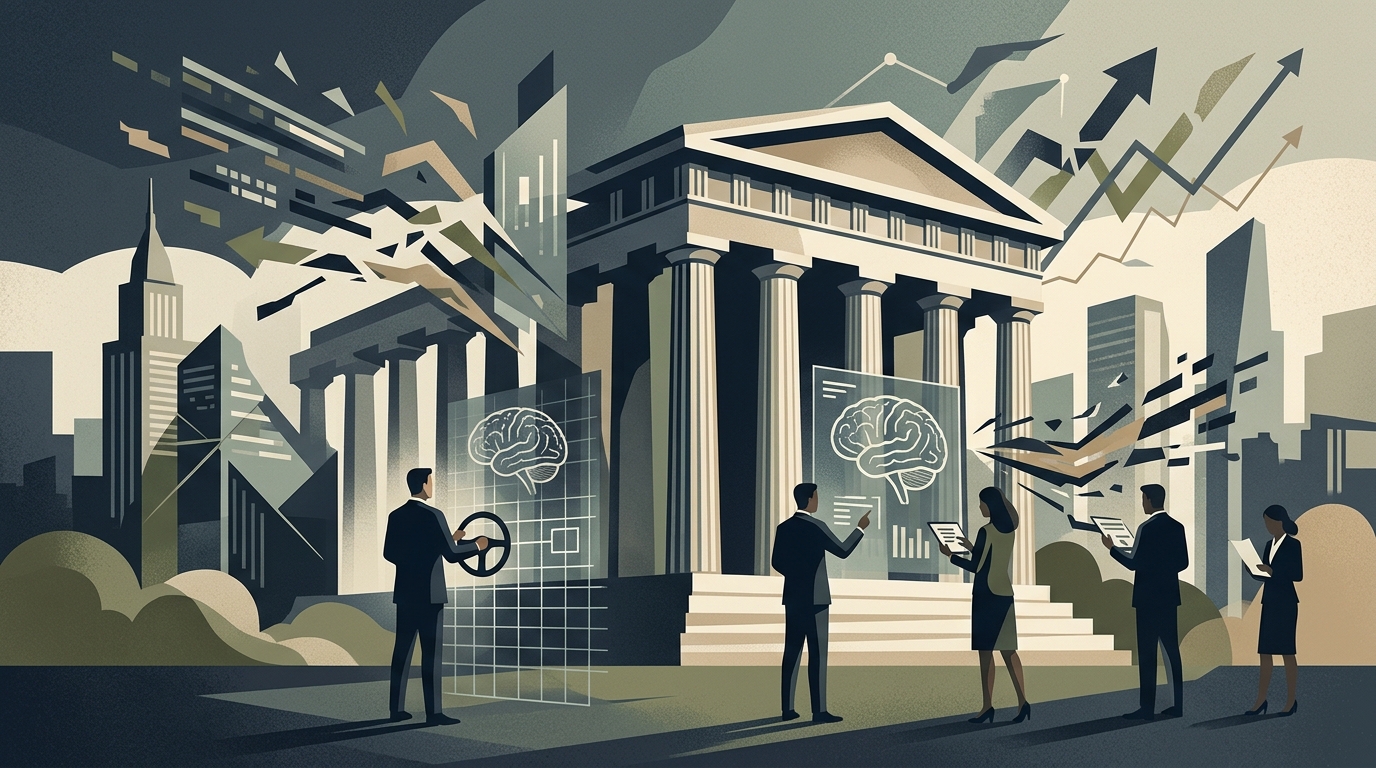
In the Washington of 2026, where political polarization often feels like an unbridgeable chasm, an unexpected phenomenon is taking place in the corridors of the Capitol. Democrats and Republicans, who disagree on almost every aspect of public life—from climate change to economic policy—seem to be finding a common enemy, or at least a shared existential challenge: the unchecked rise of Artificial Intelligence (AI). This convergence does not stem from a sudden love for cooperation, but from a deep, almost primal fear of the consequences of a technology moving faster than the law's ability to comprehend it.
The Threat to the Democratic Process
The first and most immediate concern uniting the political spectrum is election integrity. With the ease of producing "deepfakes," the potential to manipulate public opinion has reached levels that alarm both progressives and conservatives. Democrats worry about the spread of misinformation that could suppress minority votes or distort their candidates' positions. On the other hand, Republicans express fears about the use of AI by foreign powers or "tech elites" who could influence the electorate against them.
We have already seen instances where cloned voices of politicians were used in robocalls to discourage citizens from heading to the polls. This "digital poison," as many analysts call it, does not discriminate by party affiliation. The common consensus is that if trust in information collapses, so will the democratic system itself. Consequently, we are seeing legislative initiatives, such as bills for labeling AI-generated content, gaining support from both sides of the aisle.
Economic Uncertainty and the Fate of Labor
Beyond the ballot box, the economy serves as the second major field of convergence. Traditionally, Republicans favor free markets and minimal regulation, while Democrats emphasize worker protections. However, AI is upending these constants. The prospect of mass job displacement—not just in manual labor but in "white-collar" sectors such as law, medicine, and programming—is sending shivers down the spines of both camps.
Conservatives see a threat to social stability and traditional work values, while progressives focus on the widening income inequality. The idea that Big Tech companies could concentrate even more wealth and power, leaving millions of citizens sidelined, is a nightmare that unites populists from both parties. This shared anxiety is leading to discussions about imposing "robot taxes" or strengthening social safety nets—topics that would have previously been considered taboo for the Republican Party.
National Security and the Competition with China
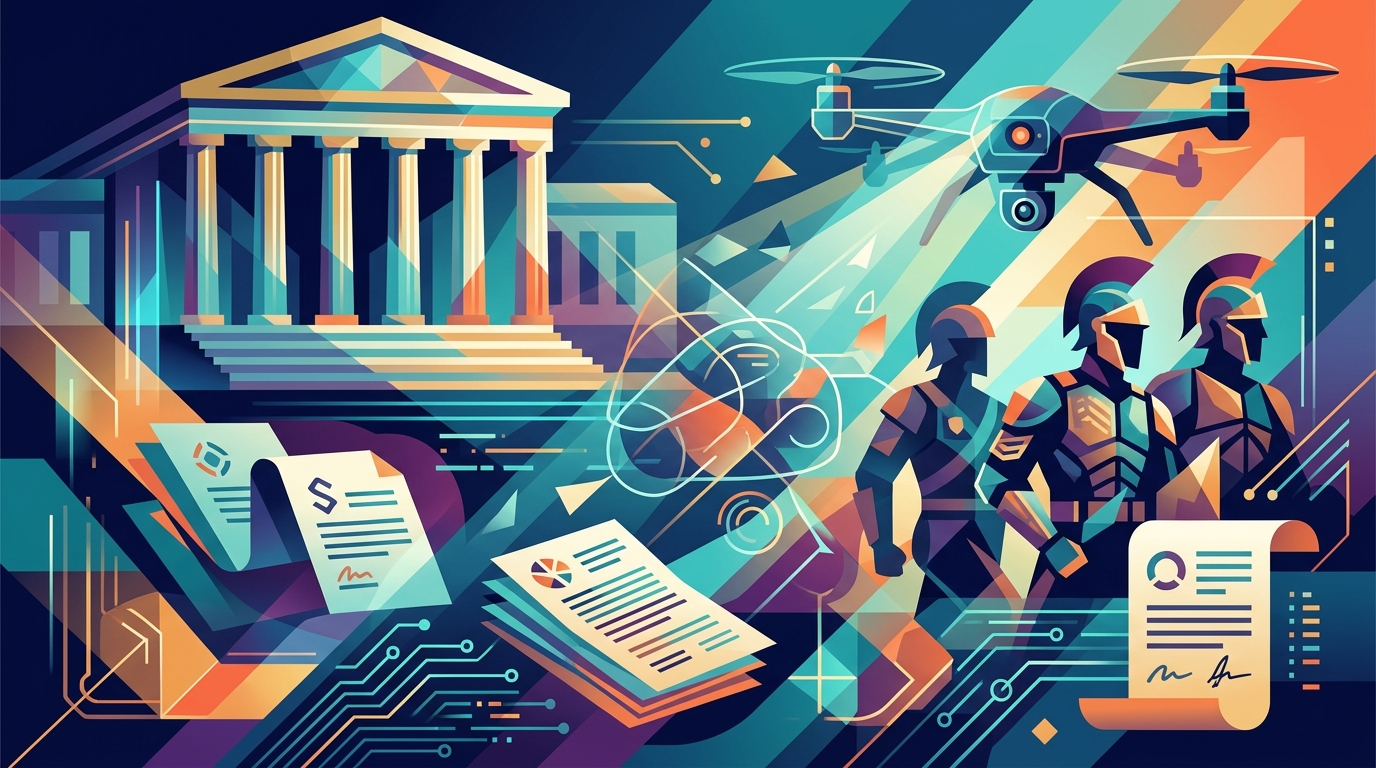
Perhaps the strongest cohesive bond is the geopolitical dimension. In Washington, AI is not viewed merely as a productivity tool, but as the ultimate weapon of the 21st century. The belief that the U.S. is in an AI arms race with China is universal. Here, the concern is not just about domestic use but the possibility of America losing its technological edge.
This "Sputnik moment" of our era has led to a rare unanimity regarding research funding and the imposition of export restrictions on critical microchips. Lawmakers agree that AI must be developed in a way that aligns with "democratic values," in contrast to the surveillance model promoted by authoritarian regimes. Nonetheless, the challenge remains: how can you regulate technology domestically without hindering the innovation required to win the global competition?
The Regulatory Dilemma
Despite the shared diagnosis of the problem, the cure remains a subject of intense debate. Democrats tend toward a stricter regulatory framework, similar to the EU's AI Act, focusing on civil rights and the prevention of algorithmic discrimination. Republicans, while acknowledging the risks, fear that excessive bureaucracy will hand the keys to technological development to Beijing.
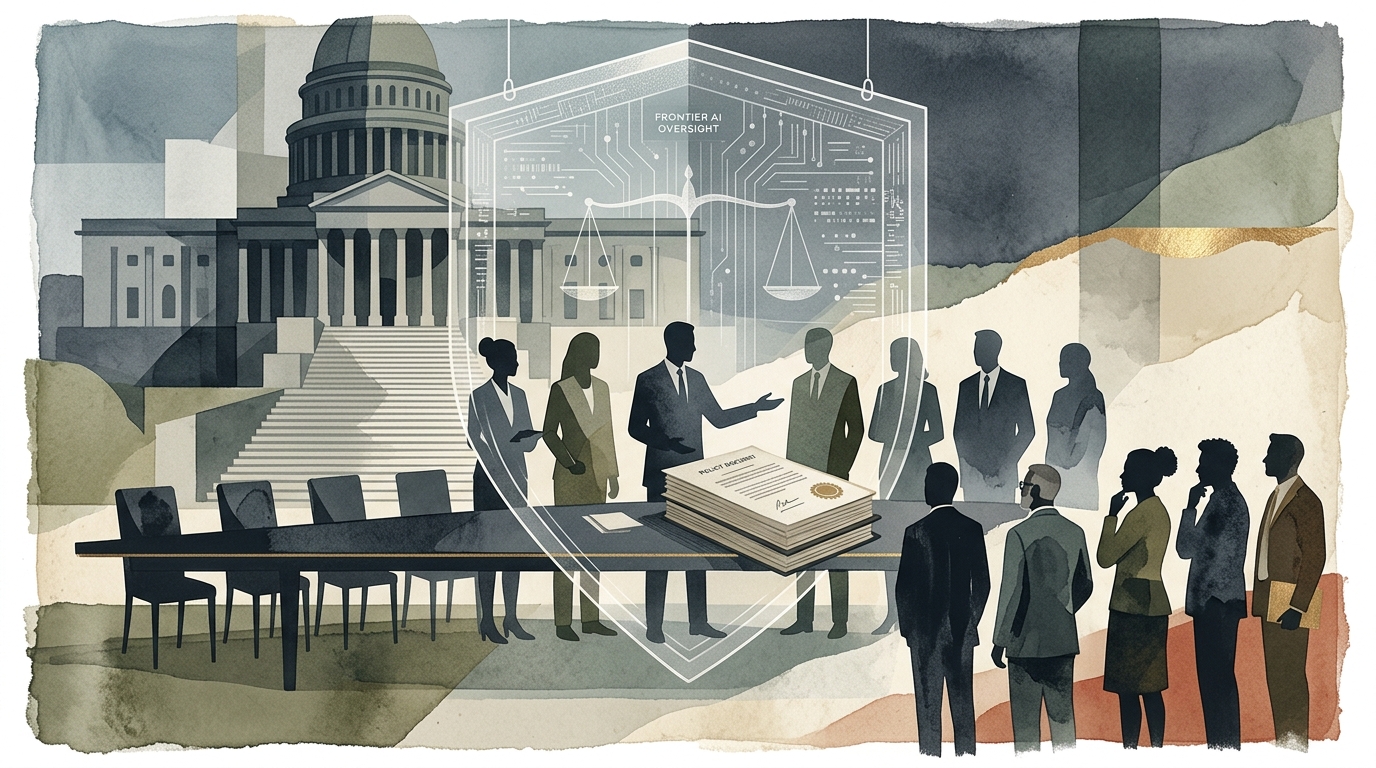
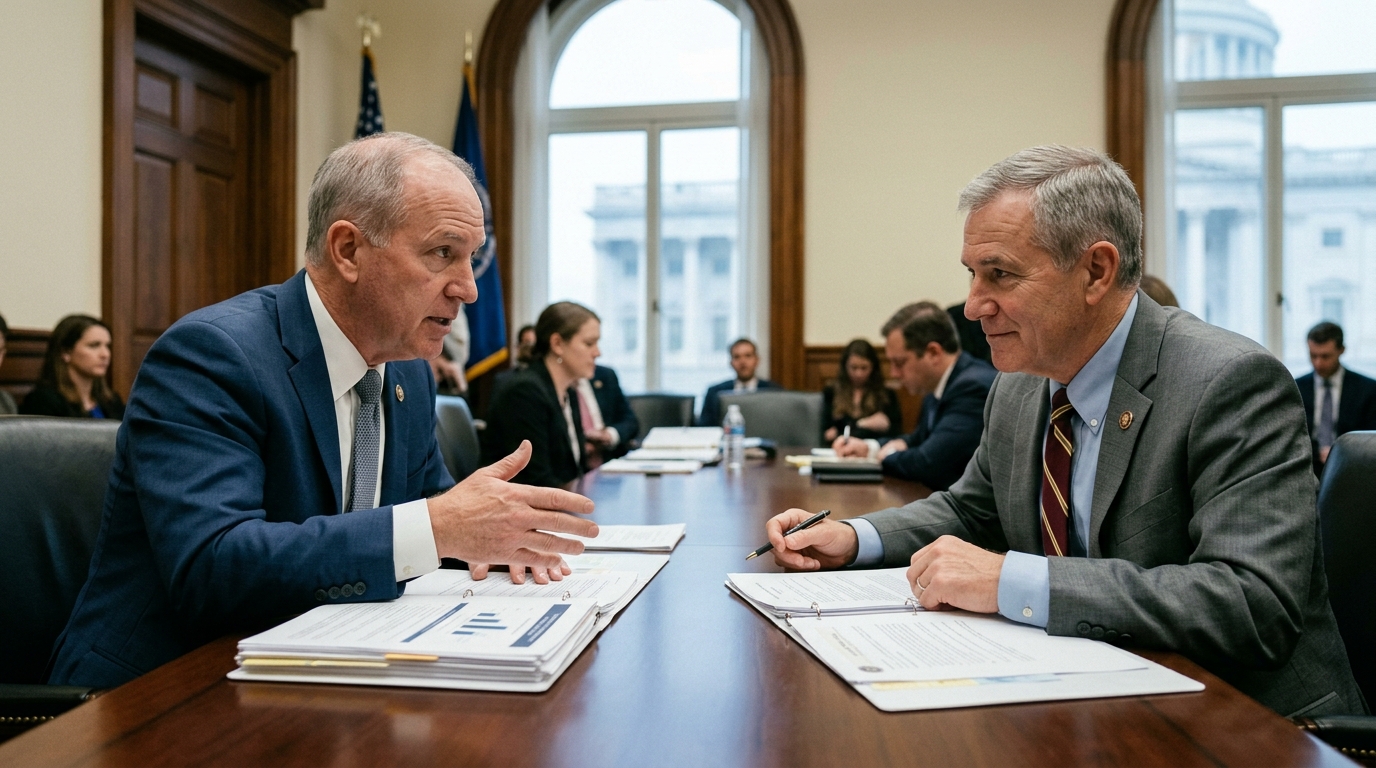
However, the very existence of this dialogue is a sign of hope. In an era where American democracy is tested by internal division, the need to address AI acts as an external catalyst forcing political actors to sit at the same table. The question is no longer whether there will be regulation, but what form it will take and how quickly it can be implemented before the technology surpasses any possibility of control. History will show whether this rare convergence will lead to meaningful results or if it will remain a mere footnote in a perpetual political war.