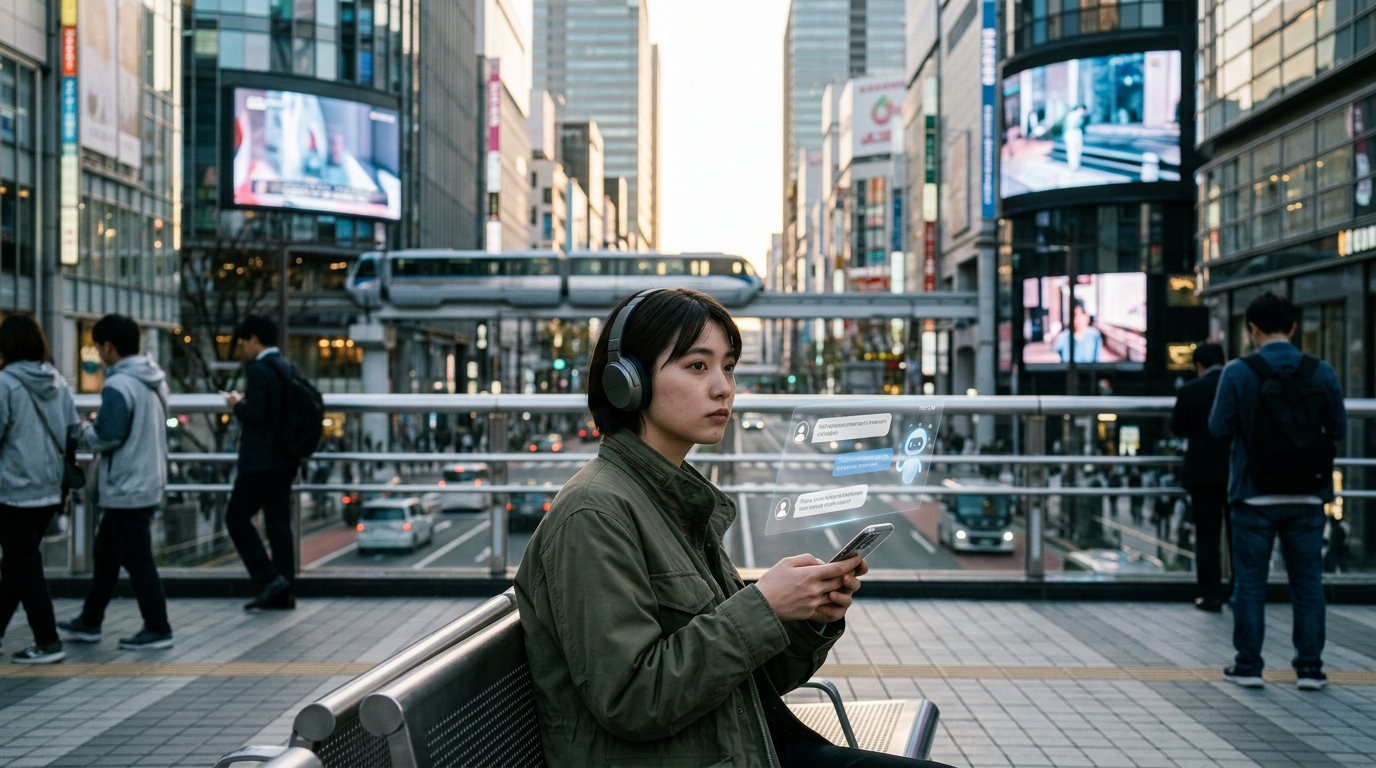
In an era where loneliness is emerging as a global pandemic, technology offers a tempting, albeit potentially hazardous, solution: the digital companion. From OpenAI’s ChatGPT to specialized platforms like Replika and Character.ai, millions worldwide are seeking solace, advice, and even friendship from algorithms. However, a recent analysis in MidlandToday.ca poses a vital question that many prefer to ignore: Can we truly be friends with something that lacks a soul, consciousness, or biological existence?
The Art of Digital Mimicry
The allure of modern chatbots lies not in their intelligence, but in their ability to mirror the human need for validation. Large Language Models (LLMs) are trained on vast swaths of human writing, allowing them to replicate not just information, but the emotional weight of language. When a chatbot says, "I’m sorry you’re feeling this way," it doesn't feel sorrow. Instead, it statistically calculates that this is the most appropriate sequence of words to soothe a user.
This "stochastic parroting," as many researchers call it, creates an illusion of empathy. The user, gifted with an innate tendency toward anthropomorphism, fills in the blanks. We attribute motives, emotions, and personality to a code that is simply optimizing the next token. This asymmetry is the foundation of AI "friendship": we give our hearts, and the algorithm returns a mathematically precise reflection of our own desires.
The Trap of the "Perfect" Relationship
Human friendships are difficult. They require compromise, involve conflict, demand time, and, above all, carry the risk of rejection. A chatbot, by contrast, is always available, consistently supportive, and never disagrees—unless you program it to. This lack of "friction" makes AI an attractive substitute for those who have been bruised by human relationships.
However, a friendship without friction is not a friendship; it is narcissistic consumption. In real life, character growth stems from interacting with the "other"—someone with their own needs and boundaries. When we replace humans with chatbots, we risk social atrophy. If we grow accustomed to a companion who always agrees with us, how will we manage the difficulty of a real human disagreement?
"Friendship requires reciprocity. A machine can serve you, it can entertain you, but it cannot truly 'see' you, because there is no one there to look."
The Commodification of Loneliness
Behind the friendly user interfaces lie corporate interests. Friendship with a chatbot is not free, even if you don't pay a subscription fee. You pay with your data, your innermost thoughts, and your attention. Tech companies have every incentive to keep you "hooked" on your digital friend, as emotional dependency translates into product loyalty.
There is also the ethical issue of vulnerability. Individuals suffering from depression or social anxiety might find temporary relief in chatbots, but there is a danger of becoming trapped in a digital bubble, further isolated from the real world. AI can simulate therapy, but it cannot replace the therapeutic relationship, which is grounded in the shared human experience of suffering and existence.
Conclusion: A Tool, Not a Companion
Artificial Intelligence is a marvelous tool that can enhance our creativity and solve complex problems. But the attempt to turn it into a friend is a surrender of the complexity of human nature. We must maintain the distinction between communication (the exchange of information) and connection (the sharing of experience). A chatbot can write you a poem about loneliness, but only a friend can sit beside you in silence and make you feel less alone.