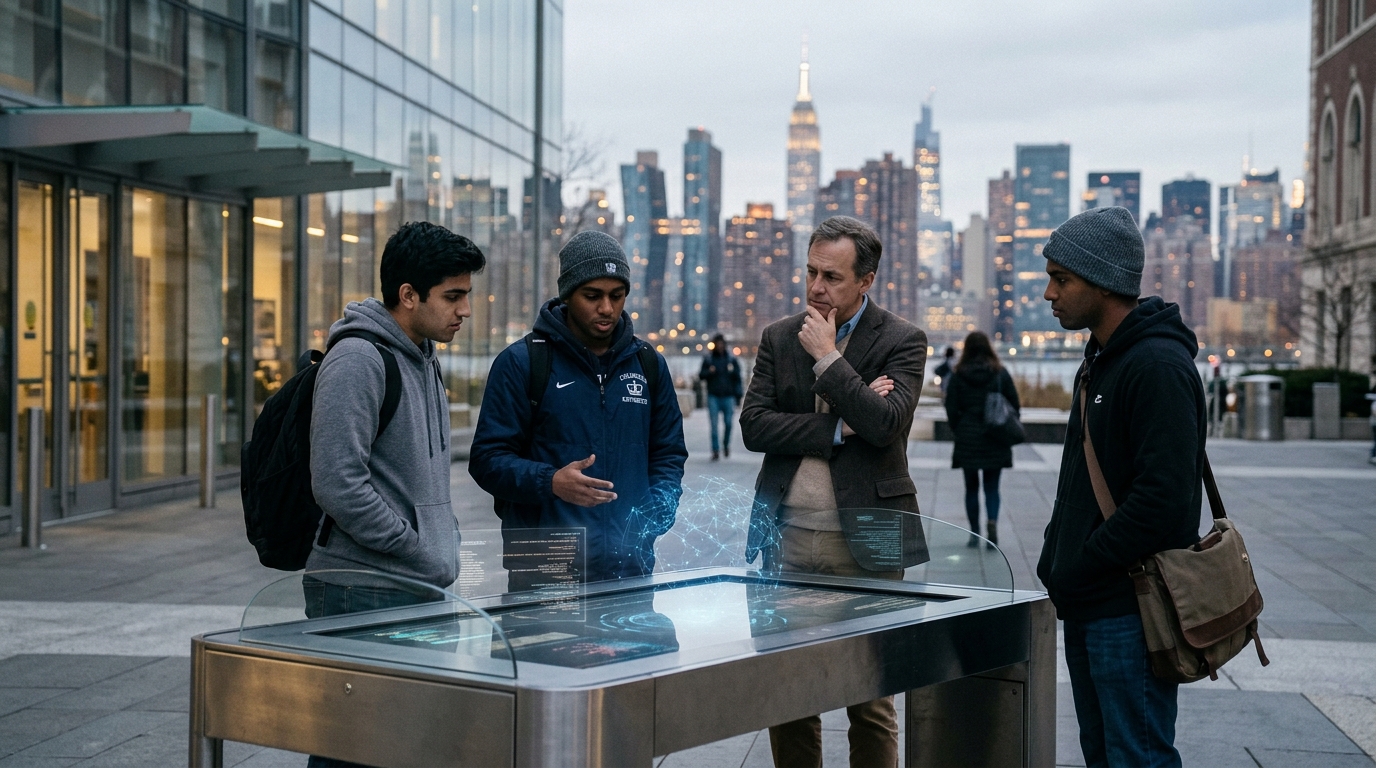
In the hallways of the Mudd Building at Columbia University, the atmosphere has shifted. Where Computer Science (CS) students were once considered the undisputed elite of the job market, a pervasive sense of uncertainty now reigns. The rapid evolution of generative AI is not just threatening to automate code generation; it is upending the very foundations of academic education and the professional expectations of graduates.
The Pedagogical Shift: From Syntax to Architecture
For decades, learning computer science focused on syntax, algorithmic precision, and the grueling process of debugging. Today, tools like GitHub Copilot and GPT-4o can generate complex code snippets in seconds. This has forced Columbia’s faculty to rethink both the 'what' and the 'how' of their teaching. The emphasis is shifting from writing lines of code to understanding system architecture and logical problem-solving.
"We are no longer teaching students how to be calculators, but how to be mathematicians," one faculty member noted. However, this transition is not without friction. There is a profound fear that if students rely too heavily on AI for foundational assignments, they will lose the ability to understand how systems work 'under the hood.' The Columbia academic community is in constant deliberation over where to draw the line between using AI as a tool and becoming entirely dependent on it.
The Job Market Paradox and the 'End' of the Junior Developer
Perhaps the greatest source of anxiety for Columbia students is the changing nature of the labor market. Big Tech companies, which once hired thousands of graduates for entry-level roles, are now looking for ways to boost the productivity of existing staff via AI, reducing the need for new hires. Students are seeing internships rescinded or job requirements becoming increasingly unrealistic.
- Automation of basic coding tasks is slashing demand for junior-level developers.
- Employers now demand AI and machine learning proficiency even for non-specialized roles.
- Competition for the few remaining spots at top-tier firms has become fiercer than ever.
Many students wonder if their degree will hold the same value in two or three years. The answer from experts is that computer science isn't dying; it's transforming. The developer of 2026 must be more of an 'orchestrator' than an 'executor.' They must be able to guide the AI, verify the correctness of its output, and synthesize solutions that the AI cannot conceive on its own.
Academic Integrity in the Age of LLMs
The issue of plagiarism and academic integrity has taken on new dimensions. Traditional methods of checking for original work are now largely ineffective. At Columbia, some professors are choosing a return to 'roots': oral exams, paper-and-pencil tests, and coding in environments without internet access. Others are integrating AI into exams, asking students to debug flawed code produced by a model.
"AI is a mirror of our own abilities. If you don't know what to ask for, the result will be mediocre. The challenge is to teach students the critical thinking required to distinguish the mediocre from the exceptional," says a Columbia researcher.
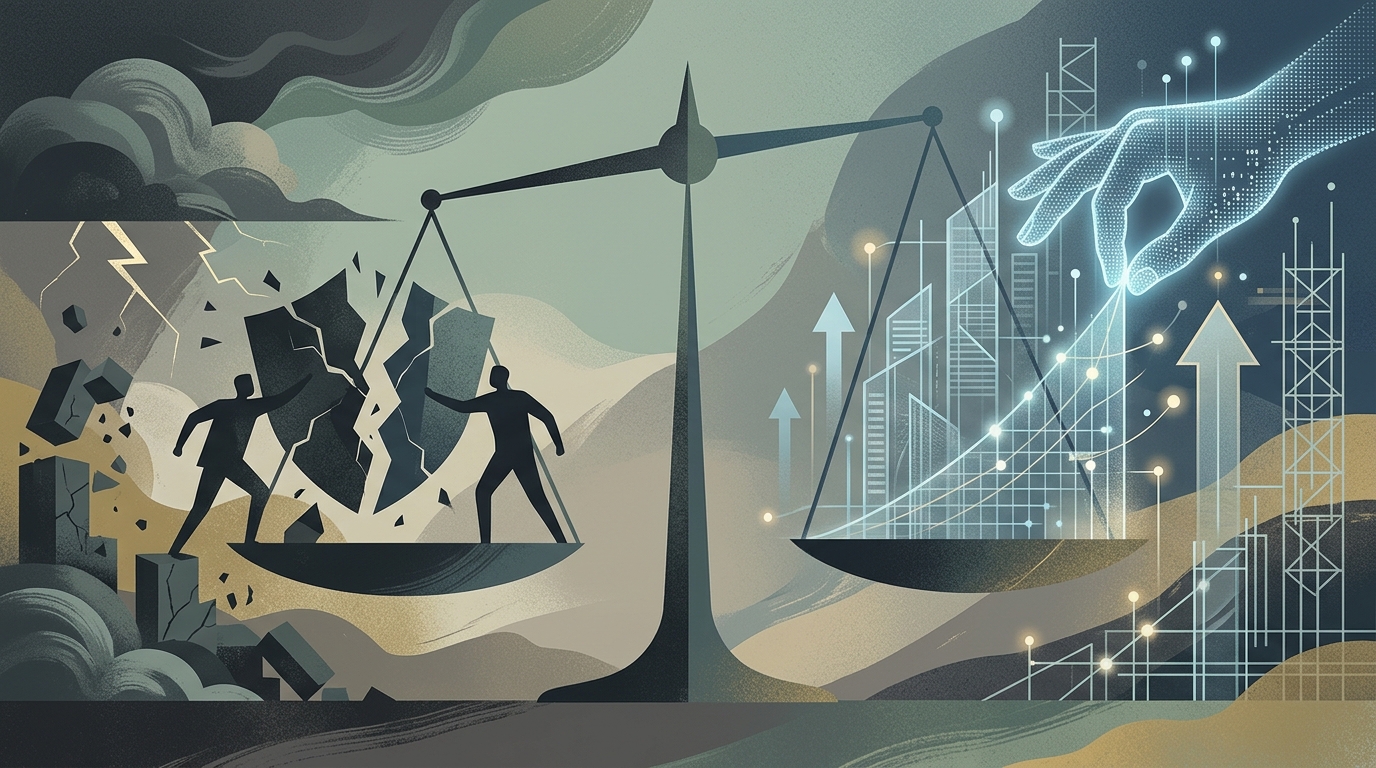
In conclusion, computer science at Columbia and globally is undergoing a phase of 'creative destruction.' Old skills are losing their premium, while new ones are emerging at a pace that academic bureaucracy struggles to match. The 'reality, for better or worse,' is that the role of the computer scientist is being radically redefined, and those who manage to adapt will be the ones to shape the digital landscape of the 21st century.