When Nintendo released the first set of Pokémon cards in Japan in 1996, few could have imagined that these small pieces of cardboard would end up three decades later being treated with the same reverence—and speculative fervor—reserved for Picasso masterpieces or Apple stocks. What began as a simple trading game for children has morphed into a multi-billion dollar global market, attracting investors, scalpers, and cryptocurrency enthusiasts alike.
The 'Perfect Storm' of the Pandemic
The explosion of the Pokémon market didn't happen gradually; it experienced a violent acceleration during the COVID-19 pandemic. Locked in their homes, many Millennials sought solace in the nostalgia of their childhood. Simultaneously, stimulus checks in many countries and a lack of alternative consumption outlets funneled massive liquidity into alternative markets. 2020 and 2021 marked the turning point where cards that once cost a few hundred dollars began selling for tens of thousands.
The role of influencers was pivotal. Logan Paul's decision to wear a 'Pikachu Illustrator' card valued at $5.27 million to a wrestling match served as the ultimate entry signal for the general public. Suddenly, Pokémon cards were no longer 'children's toys' but symbols of status and financial prowess.
The Science of Grading and the Rise of Scalpers
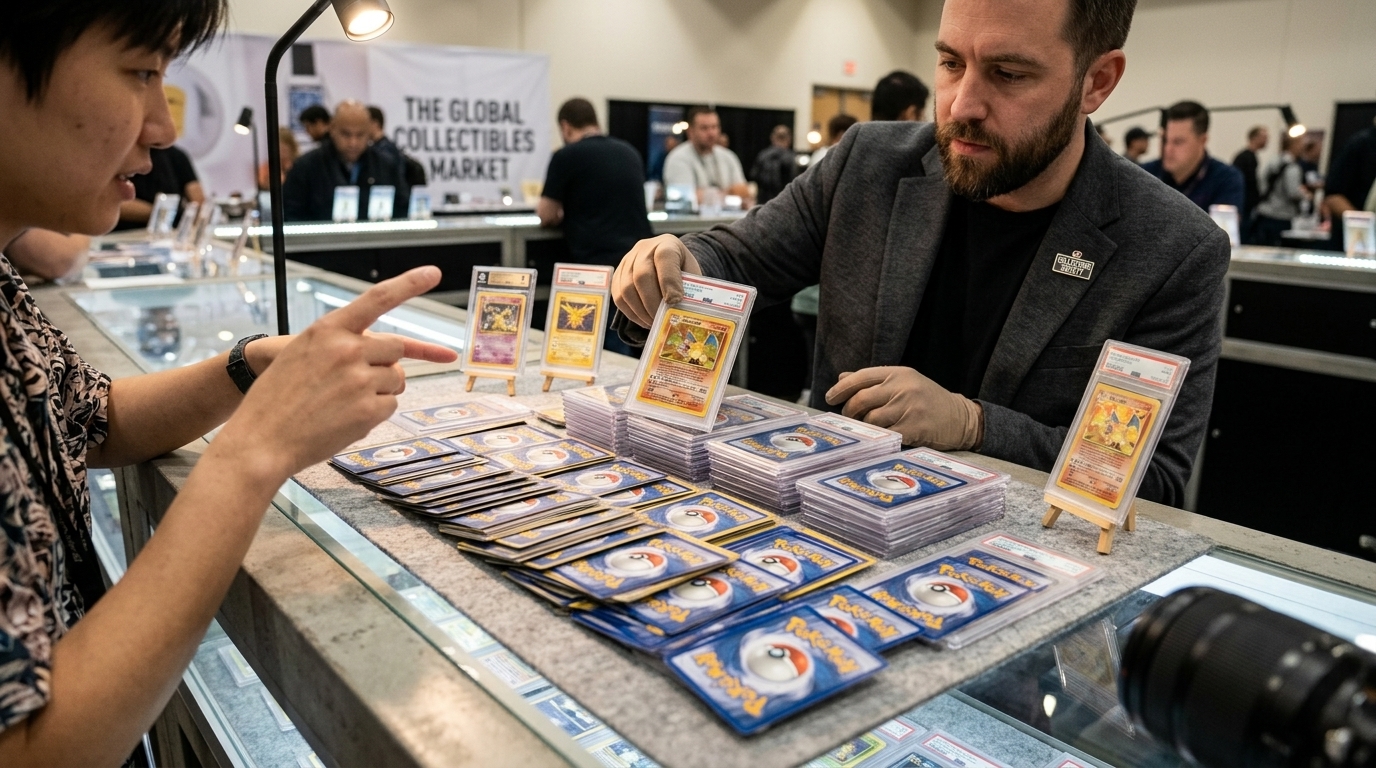
Central to this economy are grading companies like PSA (Professional Sports Authenticator) and BGS (Beckett Grading Services). A card that might cost 100 euros in 'raw' form can skyrocket to 5,000 euros if it receives a 'Gem Mint 10' grade. This objectification of a card's condition allowed institutional investors to enter the market, as it provided a standardized unit for measuring value.
However, this demand also created a dark side: scalpers. These are individuals who use sophisticated bots to buy up the entire stock of new releases from retail stores, creating artificial scarcity and reselling the products at multiple times their original price on platforms like eBay. The situation became so dire that major chains, such as Target in the US, were forced to temporarily stop selling cards in their physical stores for safety reasons, following incidents of violence among collectors.
"We are no longer buying paper and ink. We are buying the cultural memory of an entire generation, packaged in a plastic case with a barcode," says a local collector and investor.
The Connection to Crypto and Fractional Ownership
The Pokémon market shows striking similarities to the world of cryptocurrencies and NFTs. The concept of 'digital scarcity' has been translated into 'physical scarcity.' In fact, 'fractional ownership' platforms have emerged, where one can buy a 'share' of an incredibly expensive card, much like buying a fraction of a Bitcoin. This allows micro-investors to have exposure to multi-million dollar assets, which are kept in high-security vaults.
Despite the recent price correction—as the initial pandemic-driven hype subsided—the market appears to be maturing. Investors are no longer looking for just any card; they are focusing on historical pieces with proven rarity. The question remains: Is this market a bubble waiting to burst, or the beginning of a new era where collectibles will be a core pillar of any diversified portfolio?
Conclusions and Outlook
The case of Pokémon highlights a broader shift in the global economy: the dematerialization of value. In a world of high inflation and volatile stock markets, a 'hard' asset you can hold in your hand (or see in your digital wallet) gains new significance. For Nintendo and The Pokémon Company, the challenge is to maintain the balance between commercialization and preserving the magic that made the brand successful in the first place. For investors, the rule remains the same: Caveat Emptor—let the buyer beware.