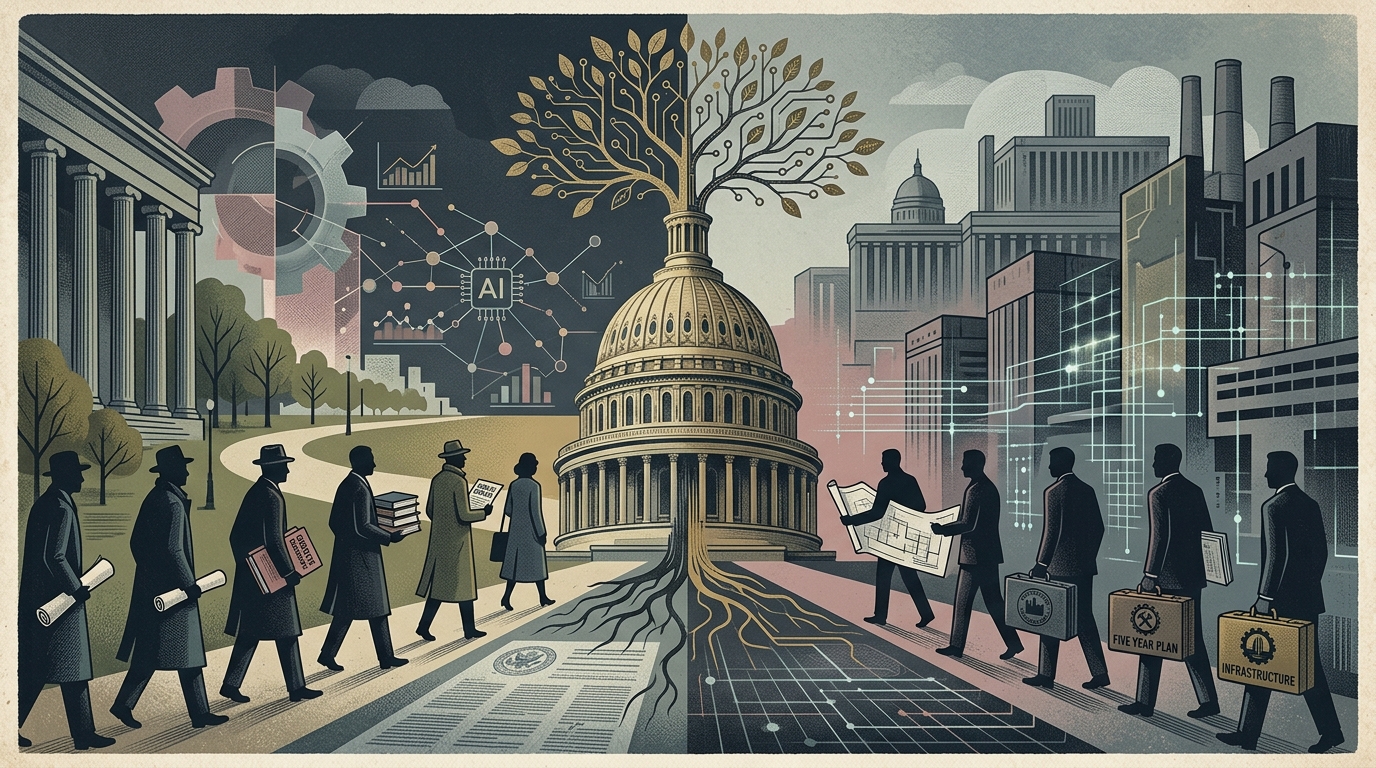
The global economy is once again facing the specter of semiconductor supply chain disruptions, but this time the culprit is not a pandemic, but the insatiable thirst of artificial intelligence (AI). A powerful coalition of US business groups, representing sectors from automotive manufacturing to medical device production, has sent an urgent plea to the Trump administration, demanding immediate measures to bolster the production of memory chips.
The crux of the problem lies in the rapid pivot of major manufacturers—such as Micron, Samsung, and SK Hynix—toward High Bandwidth Memory (HBM). These specialized components are essential for training and running the massive large language models that dominate the technological landscape in 2026. However, the intense focus on HBM has led to a dramatic reduction in the production of traditional DRAM and NAND chips, which form the backbone of the 'humble' yet critical devices of our daily lives.
The Voracious Nature of Artificial Intelligence
The rise of AI is no longer just a software phenomenon; it is a physical challenge. The data centers housing the next generation of AI agents require quantities of memory that defy historical precedent. Producing HBM is an incredibly complex process, with significantly lower yields compared to standard memory. This means that for every HBM chip produced, the industry sacrifices the capacity to manufacture multiple units of standard memory.
Trade associations warn that without government intervention, consumer goods prices will skyrocket, and production delays could mirror the dark days of 2021. "We cannot allow AI to 'swallow' the entire semiconductor ecosystem at the expense of public health and national security," the coalition's letter states. The demand for compute is cannibalizing the resources needed for basic digital infrastructure.
Automobiles and Medical Equipment in the Crosshairs
Automakers, who had only recently begun to recover from the previous chip crisis, are again on high alert. Modern electric vehicles (EVs) require vast amounts of memory for driver-assistance systems and infotainment. Without a steady supply of DRAM, production lines in Detroit and Germany risk new shutdowns. The complexity of modern cars makes them more like computers on wheels, making them uniquely vulnerable to these specific shortages.
Even more concerning is the situation in the healthcare sector. Manufacturers of medical devices, such as defibrillators and MRI imaging systems, are now competing directly with Silicon Valley tech giants for the same basic memory components. The difference is that an AI company can afford to absorb price spikes, whereas a hospital or a medical equipment manufacturer operates on much tighter margins and regulated pricing structures.
The Political Dimension and US Strategy
The Trump administration is now called upon to balance its desire to maintain US primacy in artificial intelligence with the need to protect the traditional industrial base. Analysts suggest we might see an expansion of the CHIPS Act, with specific subsidies directed exclusively at the production of non-AI memory on US soil. This would be a shift from focusing on the 'leading edge' to securing the 'essential edge.'
However, there is also a geopolitical dimension. With China investing billions into its own production of legacy memory chips, the US risks becoming dependent on a strategic rival for the core components of its industry while chasing the AI summit. The plea from business groups is not just economic; it is a cry for strategic autonomy in a world where memory is the new oil. The administration's 'America First' policy will be tested by whether it prioritizes Big Tech or the broader industrial heartland.
Conclusion: A Delicate Balance
The memory chip crisis of 2026 highlights a fundamental truth of the digital age: progress at the top of the technological pyramid can undermine its base. Artificial intelligence promises to solve global problems, but if its development means we cannot build CT scanners or safe cars, then the cost of innovation may be too high. Government intervention now seems inevitable, but the question remains whether the market can self-regulate before these shortages become a permanent drag on the global economy.