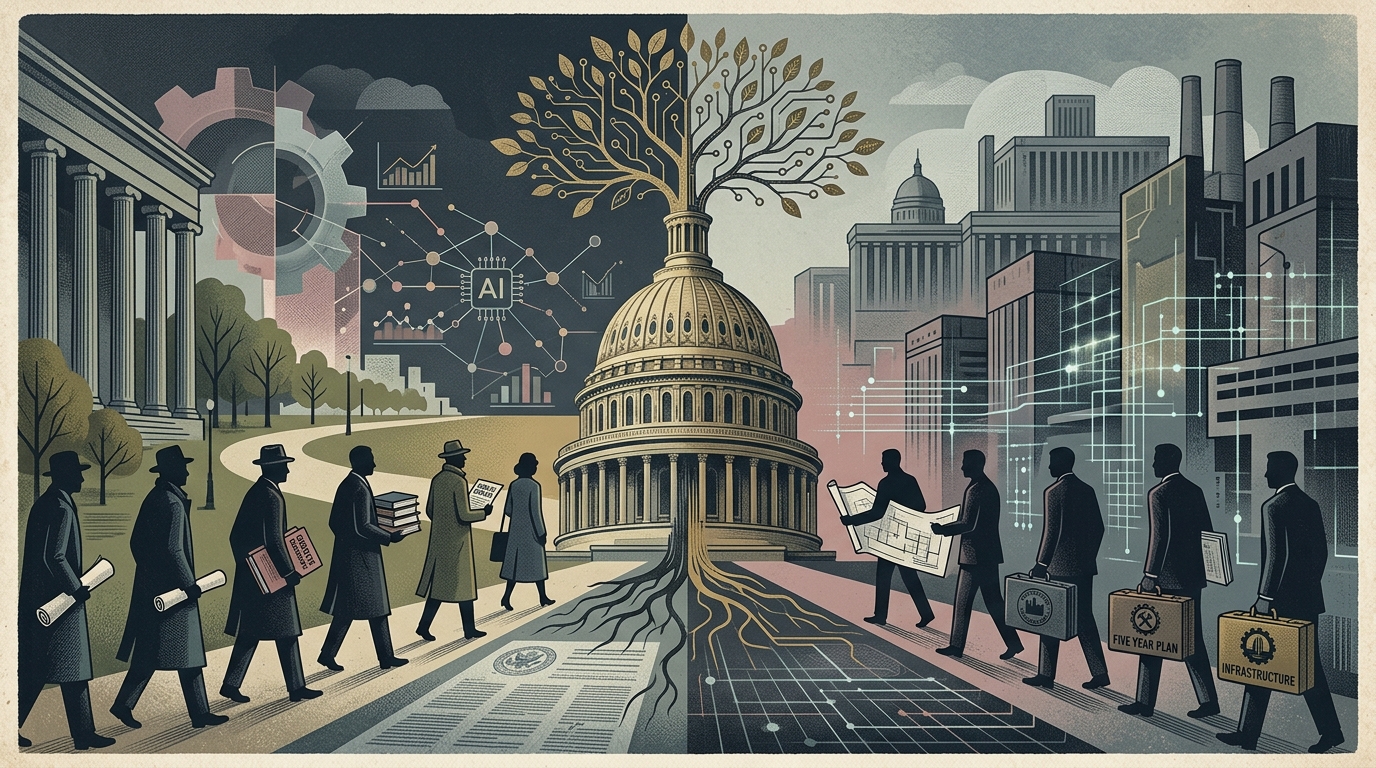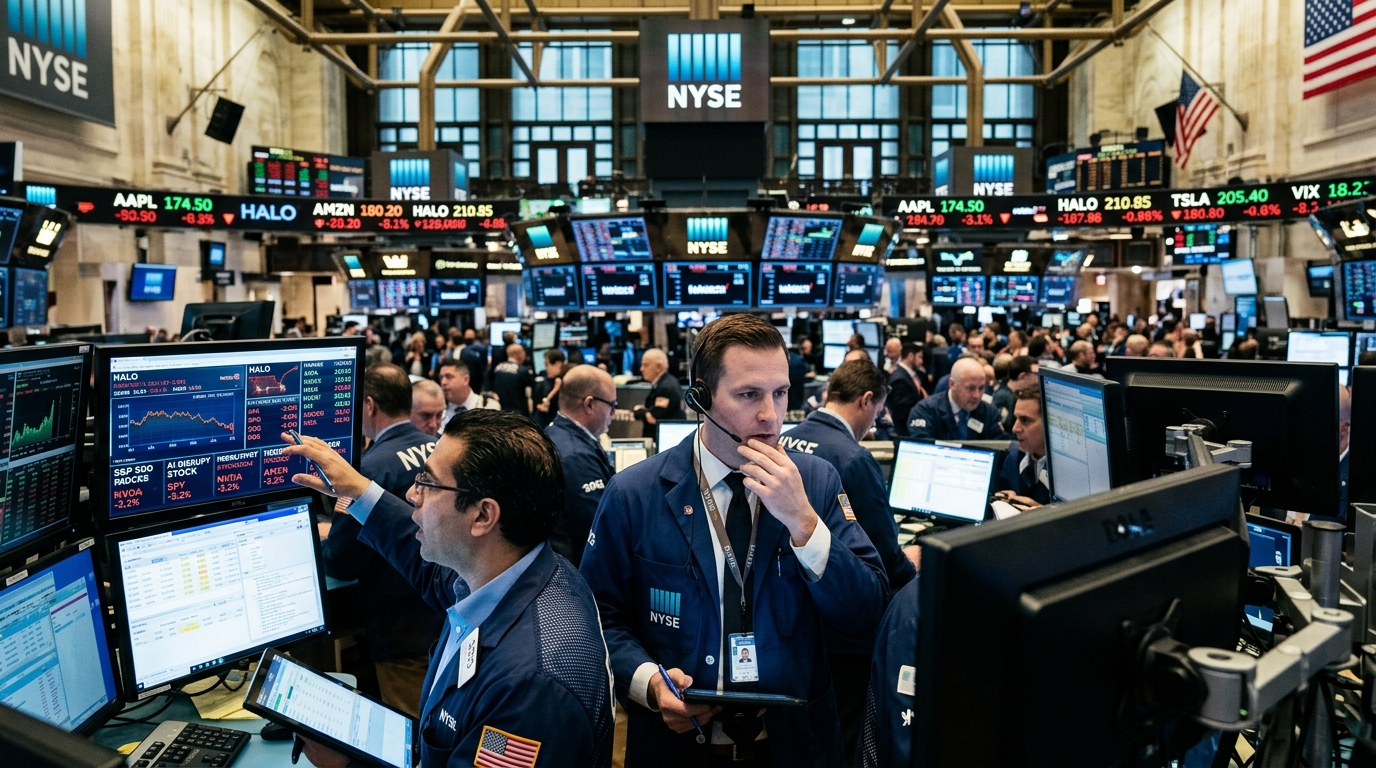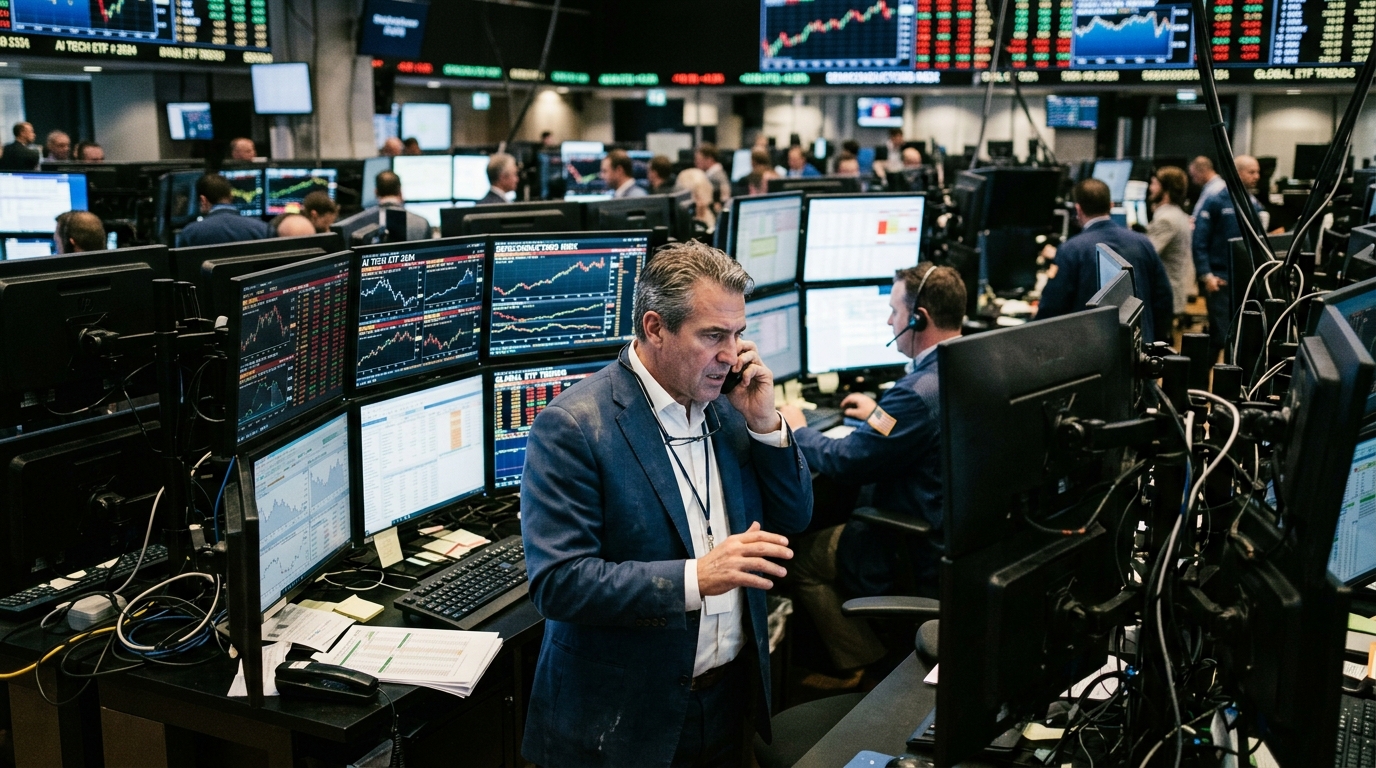
In an era where digital transformation is hailed as the 'holy grail' of economic growth, the two most powerful pillars of global financial stability, the International Monetary Fund (IMF) and the European Central Bank (ECB), are sounding the alarm. The rapid integration of Artificial Intelligence (AI) into the banking sector, while promising increased productivity and personalized services, appears to be opening a 'Pandora's Box' of a new kind of cyber-chaos that could shake the foundations of the global economy.
The Digital Toolbox of Chaos
The primary concern of regulators lies not only in potential system failures but in the weaponization of AI by malicious actors. According to recent reports, cyberattacks have become more complex, automated, and difficult to detect. The use of Generative AI enables the creation of highly convincing phishing campaigns and deepfakes that can deceive even the most sophisticated security systems or, worse, bank executives themselves.
As the ECB points out, AI's ability to generate malware code in minimal time and adapt to bank defenses in real-time creates an asymmetric threat. Banks are called to defend against an 'enemy' that never sleeps and evolves at an exponential pace, while the bureaucratic structures of financial institutions often delay the adoption of corresponding countermeasures.
The Risk of Systemic Concentration
Beyond direct cyberattacks, the IMF focuses on a more subtle but equally devastating risk: power concentration. Most banks worldwide rely on a very small number of Cloud Providers and AI models (such as Microsoft, Google, and Amazon). This dependency creates a 'single point of failure.' If one of these tech giants were attacked or suffered a technical failure, hundreds of banks could be knocked offline simultaneously, paralyzing global transactions.
Furthermore, the 'black box' of algorithms—the lack of transparency in how AI makes decisions—creates oversight problems. If banks begin using similar algorithms for risk management or investments, there is a fear of 'herding behavior.' In a moment of crisis, algorithms might react simultaneously in the same way, exacerbating market instability and leading to flash crashes that no central bank will have time to intercept.
The Speed of Fear and 'Digital Bank Runs'
The ECB also warns of the phenomenon of AI-driven bank runs. In the age of social media, AI-generated disinformation can spread in seconds. A deepfake video of a central bank governor or a fake news story about a bank's collapse, presented with absolute conviction, can trigger mass withdrawals via mobile apps. The speed at which digital money moves today means a bank can go bankrupt within hours, before regulators even have time to issue a denial.
The Response: Regulations and Stress Tests
In response to this landscape, Europe is attempting to lead with the AI Act and the Digital Operational Resilience Act (DORA). The ECB has already begun conducting 'cyber resilience stress tests,' examining not only bank capital but also their ability to recover from a major cyberattack. The IMF, for its part, calls for closer international cooperation, emphasizing that cyberspace has no borders and that a security breach in a bank of an emerging economy could serve as the entry point for the collapse of a systemic institution on Wall Street or in Frankfurt.
In conclusion, Artificial Intelligence in the banking system is an arms race. Victory will not be determined solely by who has the best algorithm, but by who manages to maintain public trust in a digital environment that is becoming increasingly uncertain.