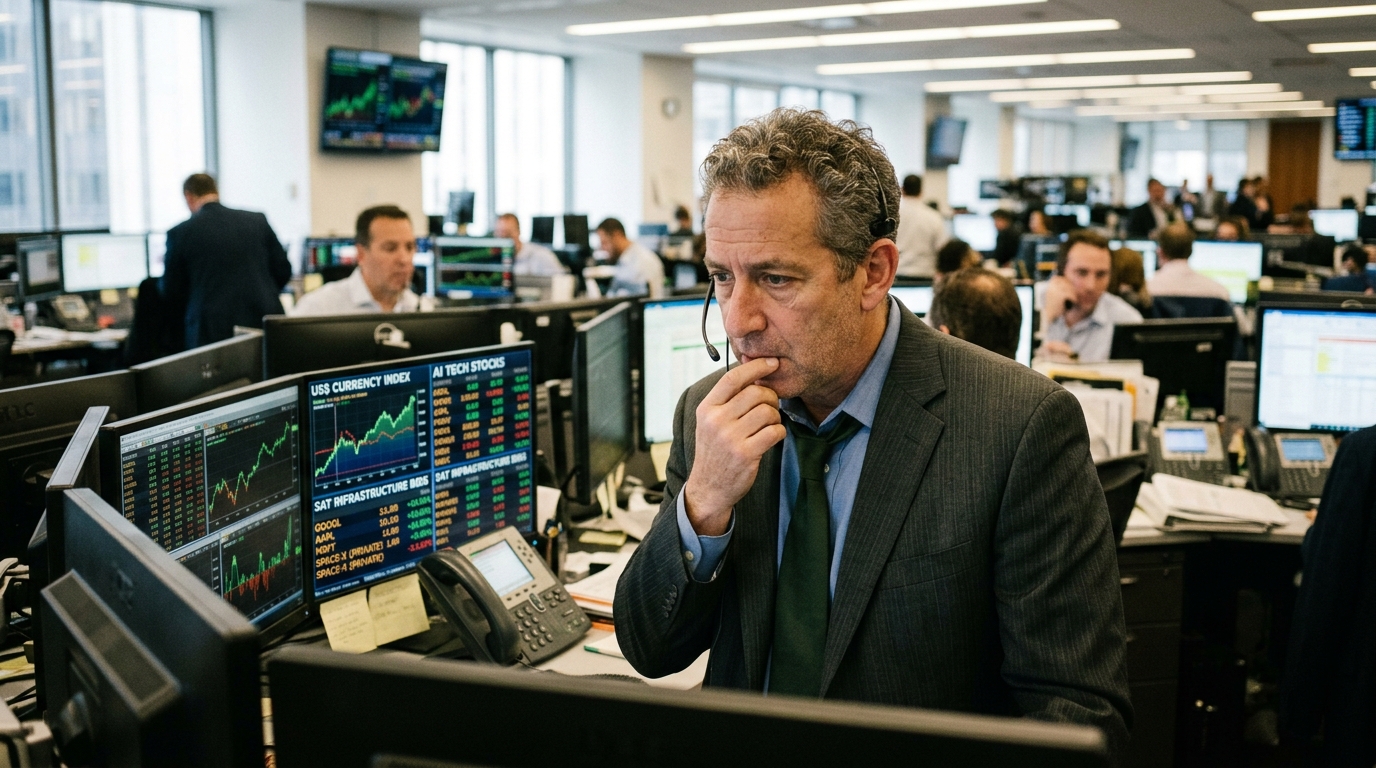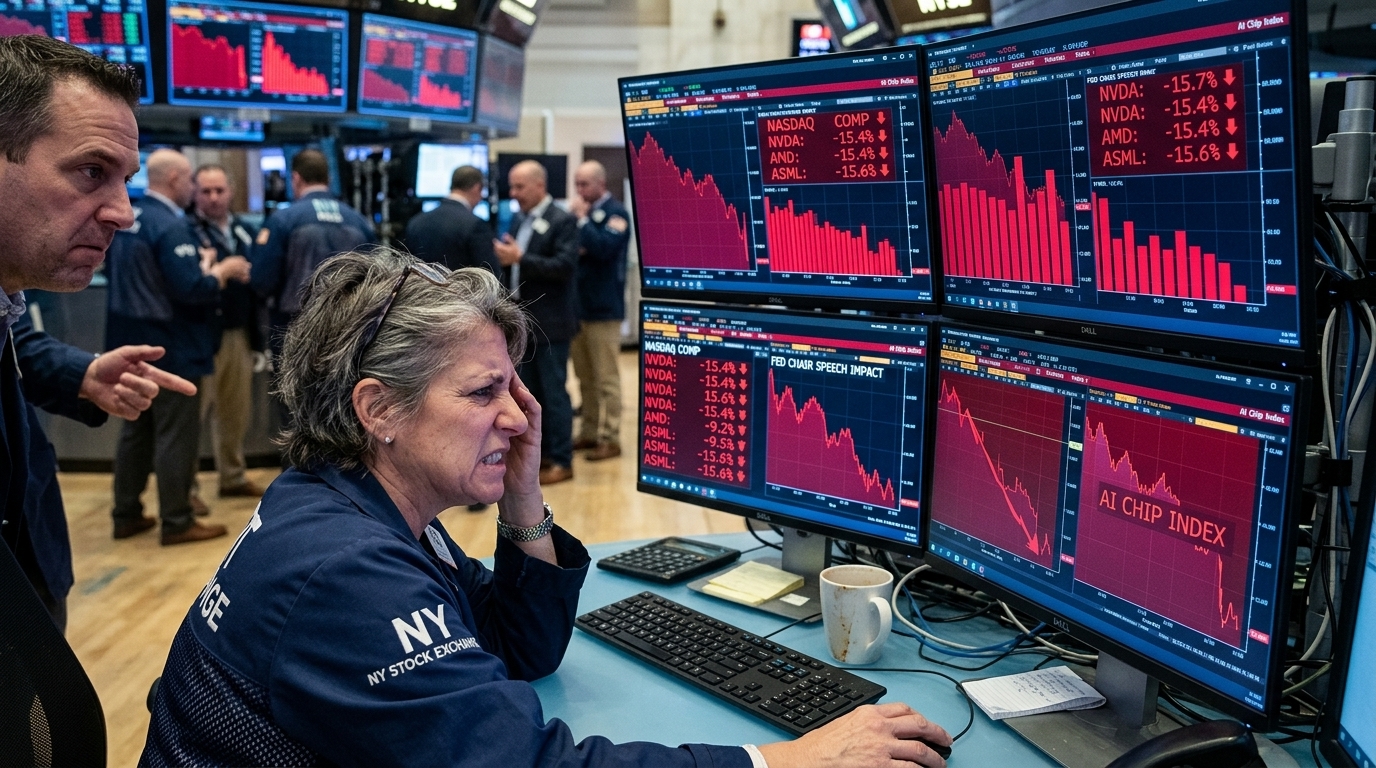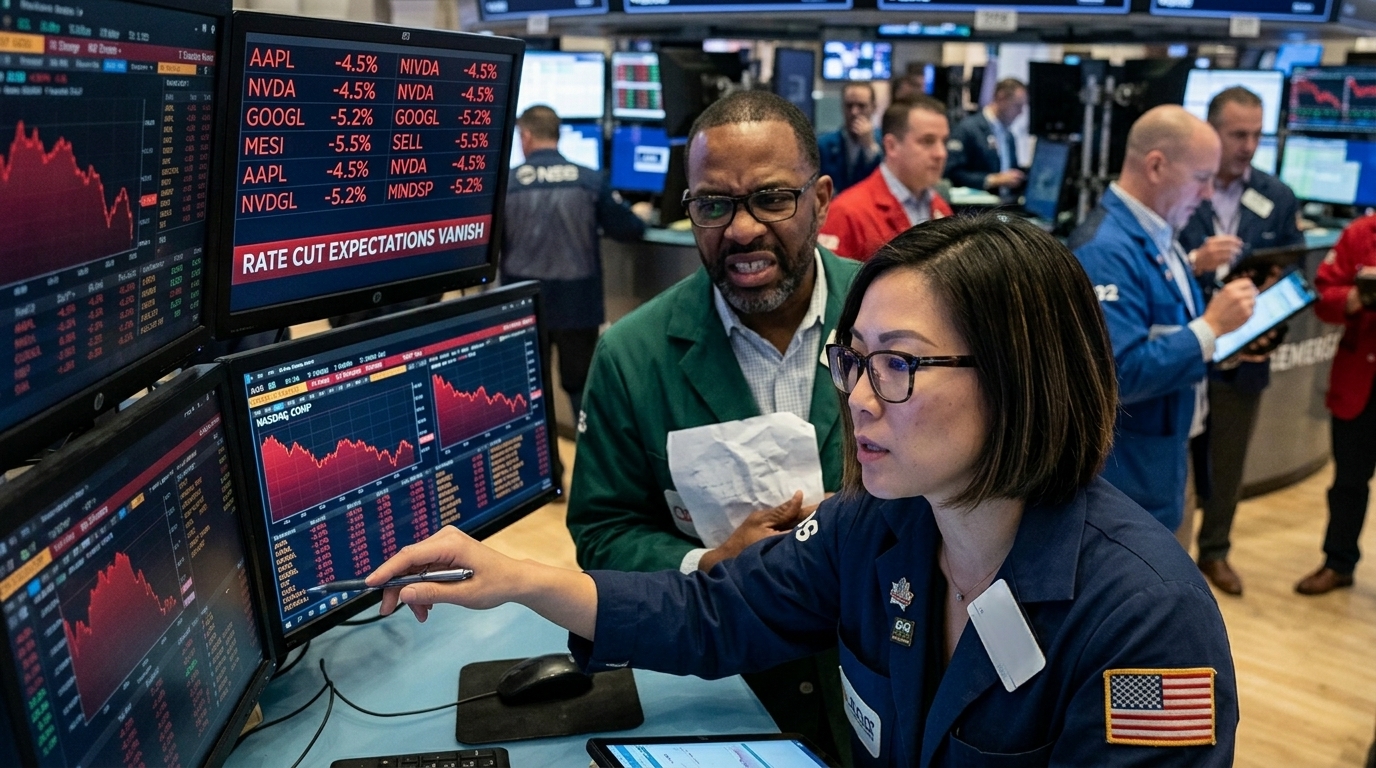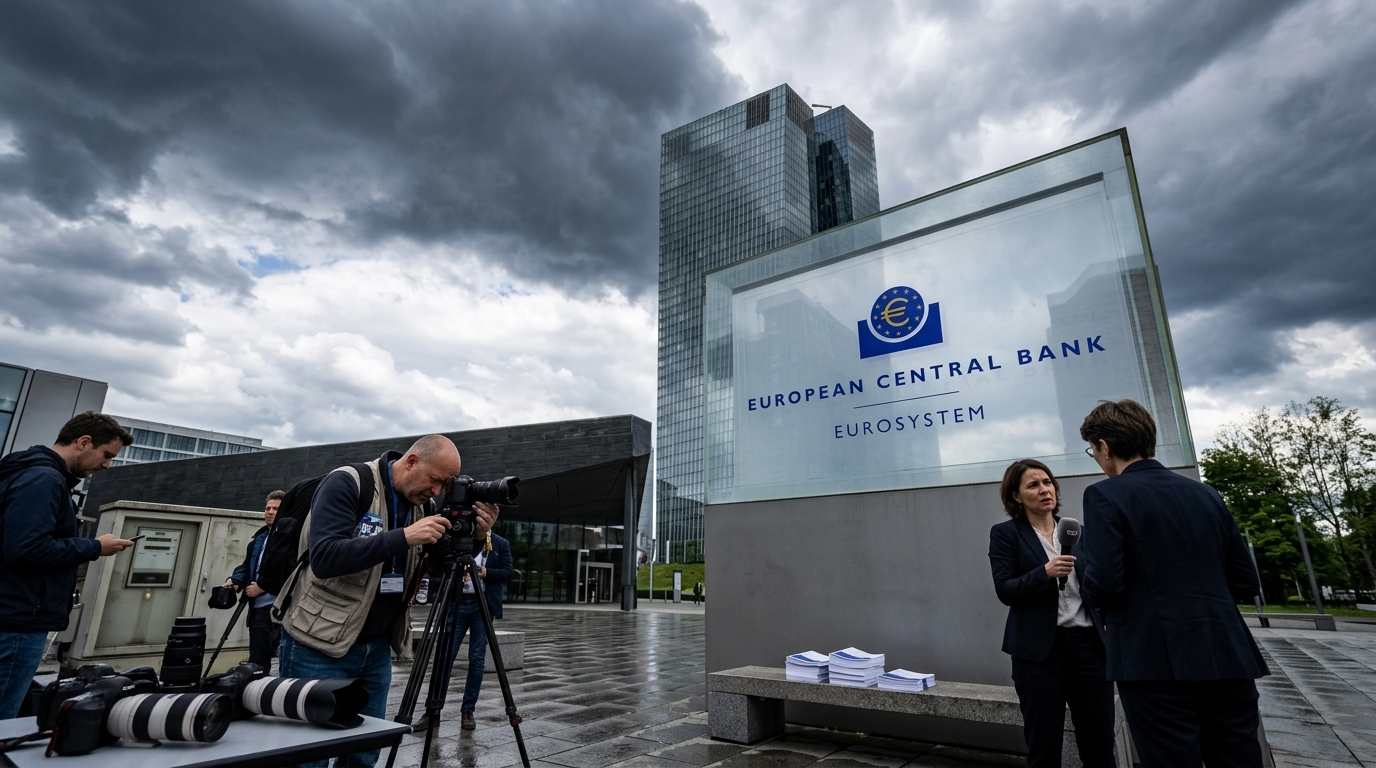
At a time when the global economy is attempting to balance between recovery and uncertainty, the latest reports from Bloomberg place the European Central Bank (ECB) back in the spotlight. Despite previous estimates suggesting a steady path of easing, Frankfurt appears to be preparing the ground for an interest rate hike this coming June. This decision is not made in a vacuum; it is the result of a complex equation dominated by energy prices, geopolitical instability involving Iran, and the persistent nature of core inflation.
Inflationary Persistence and the Geopolitical Shadow
The ECB's strategy under Christine Lagarde has always been anchored in the principle of "data-dependency." However, the data for May 2026 indicates a concerning trend. While the headline Consumer Price Index (CPI) had shown signs of cooling, energy prices remain the great unpredictable variable. Escalating tensions in the Middle East, specifically actions involving Iran, have created a "risk premium" in international oil and gas markets, which is directly passed on to European industry and households.
According to analysts, a rate hike in June would constitute a pre-emptive strike to avoid a second round of inflationary pressures. The ECB fears that if it allows inflation expectations to become de-anchored, the damage to the euro's credibility will be irreversible.
"Price stability is not just a technical target; it is the social contract that keeps the Eurozone together,"a senior official at the Frankfurt-based bank recently remarked.
The Energy Equation: Impact of Middle East Tensions
The link between foreign policy and monetary policy has never been tighter. Europe, despite its efforts toward energy transition and decoupling from fossil fuels, remains vulnerable to crude oil price fluctuations. A potential disruption in the Strait of Hormuz or a further deterioration of relations with Tehran could skyrocket transportation and production costs. For the ECB, this means the "cost of money" must remain high to dampen demand and offset supply-side shocks.
Furthermore, the Eurozone labor market remains historically tight. Wage increases, while necessary to cover the cost of living, fuel fears of a wage-price spiral. Raising interest rates acts as a "brake" on this process, discouraging excessive spending and risky investments that could overheat the economy.
Monetary Policy in the Age of AI: A New Variable?
An interesting parameter being discussed in the corridors of the ECB is the impact of Artificial Intelligence (AI) on productivity. There is hope that investments in AI could lead to disinflationary pressures in the long run by increasing production efficiency. However, this transition requires both time and capital. Raising interest rates may slow down these critical investments, creating a paradox: the effort to fight inflation today might deprive the economy of the tools for its permanent resolution tomorrow.
- Industrial sectors are facing higher borrowing costs for AI integration.
- The venture capital environment in Europe remains sensitive to ECB rate pivots.
- Long-term growth projections are being adjusted to reflect the "higher for longer" reality.
Structural Challenges for the Eurozone Periphery
The prospect of a June hike is particularly daunting for the Mediterranean members of the Eurozone. Countries like Greece and Italy, which have shown remarkable resilience and growth in 2025, now face the risk of a "sudden stop" in credit expansion. While the banking sector is healthier than in previous decades, the transmission of monetary policy is often more painful in the periphery.
As we approach the June meeting, the ECB must weigh the risk of doing too little against the risk of doing too much. A hike could stabilize the euro and anchor expectations, but it could also tip fragile economies into recession. The "hawkish" members of the Governing Council argue that the cost of inaction is higher, while the "doves" warn of a potential policy error that could stifle the green and digital transition.
In conclusion, the ECB's move in June will be a stress test for the European economic architecture. If the hike materializes, it will send a clear message that fighting inflation remains the absolute priority, even at the risk of an economic slowdown. The balance is delicate, and the margin for error is razor-thin.