In the complex geopolitical landscape of May 2026, few locations remain as pivotal yet as precarious as the Strait of Hormuz. This narrow stretch of water, separating Iran from Oman and the United Arab Emirates, serves as the primary artery through which the lifeblood of the global economy—oil and liquefied natural gas (LNG)—flows. However, recent escalations in regional tensions have transformed this passage into a strategic trap for hundreds of vessels, giving rise to a "trapped fleet" that threatens to destabilize global supply chains.
The Strategic Chokepoint and the "Trapped Fleet"
The Strait of Hormuz measures only 33 kilometers at its narrowest point, yet it carries approximately 20% of the world's daily oil consumption. The concept of the "trapped fleet" no longer refers merely to seized vessels, but to an entire class of merchant ships operating under a cloud of extreme uncertainty. With war risk insurance premiums soaring to unprecedented levels, shipowners face an impossible choice: risk the transit or remain anchored, incurring massive costs and disrupting the flow of energy.
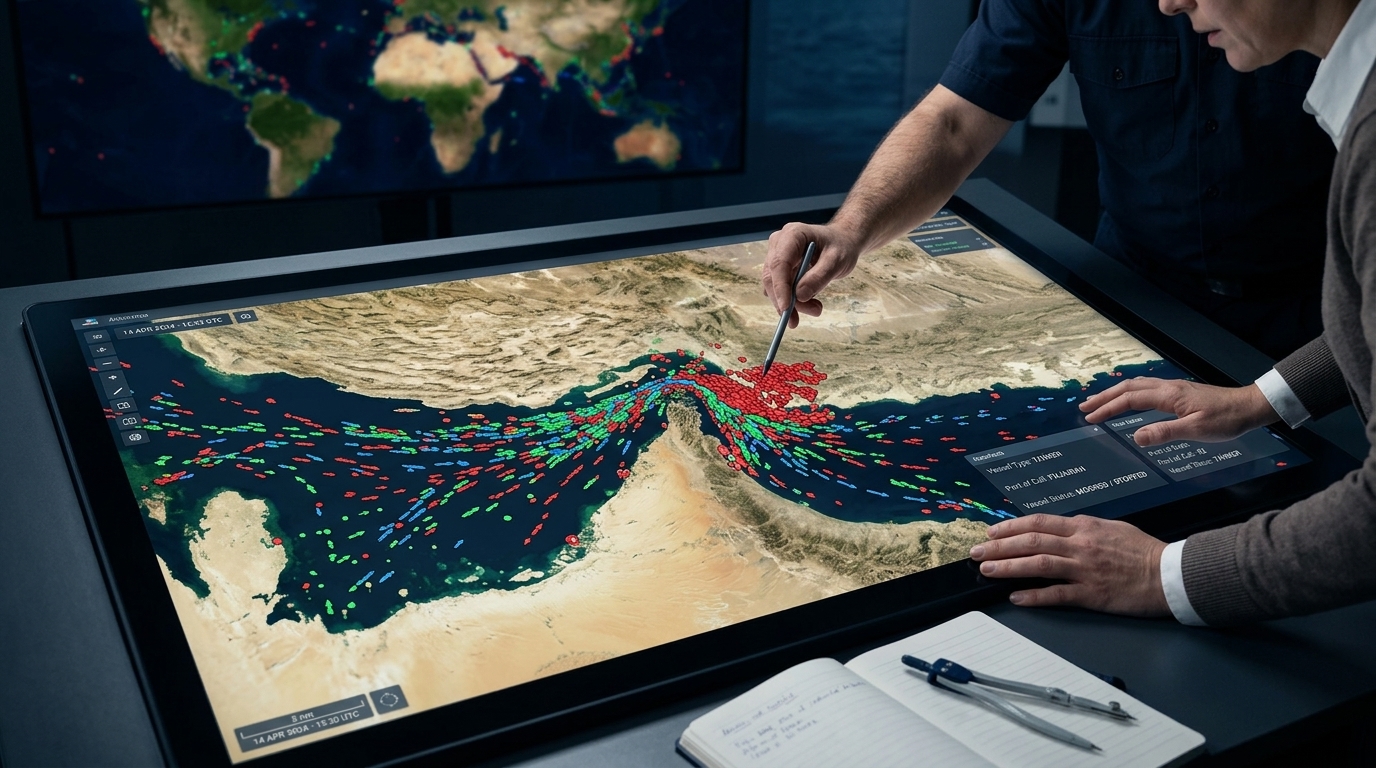
The situation is further complicated by the proliferation of "dark fleets"—vessels used by states to circumvent international sanctions. These ships, often aging and poorly maintained, frequently disable their Automatic Identification Systems (AIS), significantly increasing the risk of maritime accidents in one of the world's busiest waterways. The presence of these vessels creates a "gray zone" where accountability is murky and the threat of an environmental catastrophe is a constant shadow over the region.
Economic Implications and the Role of Greek Shipping
For Greece, the world's leading maritime nation, the crisis in the Strait of Hormuz has immediate and painful repercussions. Greek shipowners, who control a vast portion of the global tanker fleet, find themselves on the front lines. The surge in insurance costs does not merely impact corporate balance sheets; it is ultimately passed on to consumers through higher energy prices and increased costs for manufactured goods.
- Freight rates are skyrocketing due to the reduced supply of available and willing vessels.
- War Risk premiums can now reach up to 1% of a vessel's total value per single transit.
- Delivery delays are creating a domino effect across European and Asian industrial sectors.
Unlike the Red Sea crisis, where ships can be rerouted around the Cape of Good Hope, there is no simple alternative for Gulf oil. Pipelines across Saudi Arabia and the UAE have limited capacity and cannot fully replace the maritime route. This lack of flexibility makes the Strait of Hormuz a unique and terrifying point of failure for the global economy.
Technology as a Shield: AI and Satellite Surveillance
In this volatile environment, technology is emerging as a critical ally. The application of Artificial Intelligence to analyze satellite imagery and data allows for the real-time tracking of vessels attempting to operate "dark." Predictive analytics systems can now assess the specific risk profile for individual ships based on flag state, ownership history, and real-time geopolitical movements.
"Shipping is no longer just about navigation; it is about data management and geopolitical intelligence," notes a senior analyst at Lloyd's List.
The integration of autonomous surveillance systems and the use of blockchain for cargo and route verification offer new layers of security and transparency. However, technology cannot solve the underlying political friction. The security of the Strait remains hostage to the diplomatic relations between major powers and regional actors. The international community is challenged to find a balance between enforcing international maritime law and avoiding a full-scale conflict that would plunge the global economy into a deep recession.