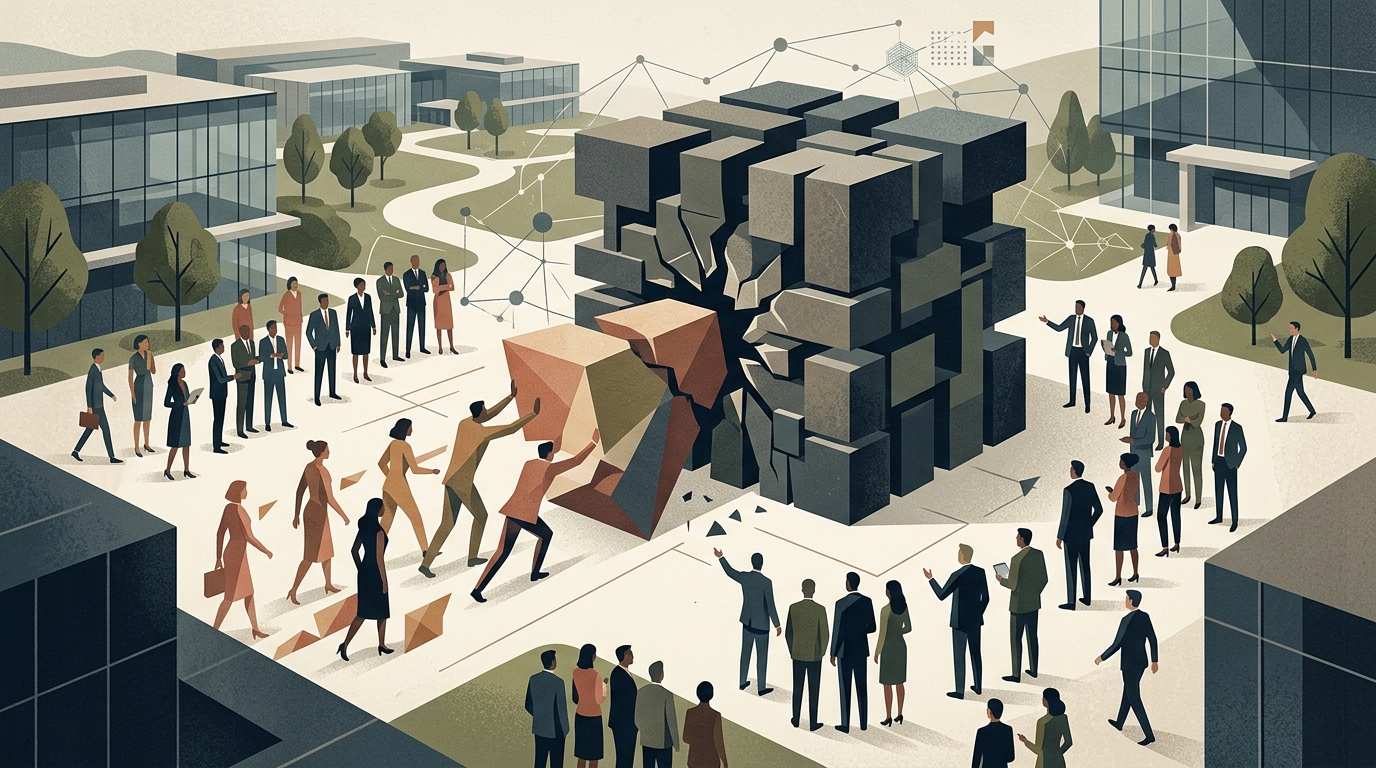
Europe, once the global beacon of social mobility and institutional stability, is facing an existential crisis that transcends borders and currencies. It is a crisis of the social contract itself. The Baby Boomer generation, born into the golden age of post-war growth, successfully reaped the rewards of an unprecedented economic boom. Today, however, as this generation retires, they leave behind an economic landscape of stagnation and suffocation for the youth. The "European Dream"—the promise that each generation would live better than the last—appears to be fundamentally broken.
The Housing Trap: Asset Inflation as a Barrier
Perhaps the single greatest obstacle for today's youth is access to homeownership. In the 1970s and 80s, a middle-class worker could purchase a home with a few years of disciplined savings. Today, the concentration of wealth in the hands of older generations, combined with decades of loose monetary policy from central banks, has propelled property prices to unreachable heights. Boomers do not merely own their homes; they hold the lion's share of global wealth, transforming housing from a social necessity into a speculative investment vehicle.
In major hubs like Paris, Berlin, and Athens, young professionals are forced to spend upwards of 40-50% of their income on rent. This rent often flows directly into the pockets of older landlords. This massive wealth transfer from the productive young to the retired asset-owners has created a "renter economy," where saving for the future or investing in entrepreneurship becomes a mathematical impossibility for the majority.
The Demographic Burden and the Pension Time Bomb
The issue extends far beyond real estate. Europe's aging population is creating a demographic pyramid that is dangerously inverted. With life expectancy rising and birth rates plummeting, a shrinking workforce is being asked to support a ballooning retired population. The costs of social security and geriatric healthcare are swelling, forcing governments to levy increasingly heavy taxes on labor.
- Social security contributions disproportionately burden low-wage young workers.
- Public investment is being diverted from education and R&D toward elder care and pension subsidies.
- The political establishment, beholden to the "silver vote," is paralyzed when it comes to structural reforms that might disadvantage the elderly.
"Europe has effectively become a gerontocracy that consumes its future to preserve the present of its retirees," argue social policy analysts.
Political Inertia and the Dominance of the Silver Vote
Why does the status quo persist? The answer lies at the ballot box. Boomers are the most consistent and numerous voting bloc in Western democracies. No politician dares to propose significant pension adjustments or wealth taxes on property, as doing so would be political suicide. Consequently, the cost of economic adjustment is invariably shifted onto the shoulders of those with the least political leverage: the youth and future generations.
This imbalance fosters a deep sense of injustice and resignation. Young Europeans, despite being the most highly educated generation in history, find their prospects limited to the precarious "gig economy" and delayed milestones, such as starting a family. If Europe fails to find a way to redistribute this burden and incentivize its youth, it risks becoming a vast museum of past prosperity, devoid of a dynamic future.
Conclusion: The Necessity of a New Intergenerational Contract
The solution is not intergenerational warfare, but a fundamental renegotiation. We need policies that unlock the housing market, shift the tax burden from labor to unproductive wealth, and invest heavily in technology and the green transition—the only sectors where the youth can still gain a competitive edge. The "European Dream" must cease to be an exclusive club for those who arrived early and return to being an open promise for all.