In an era where digital technology is no longer merely a tool but a transformative force reshaping the very essence of human creativity, Emily Blunt has added her voice to a growing chorus of concern. Her statement that she is "afraid of artificial intelligence" is not a simple expression of technophobia, but a profound cultural and ethical stance that touches the core of artistic creation.
Blunt, renowned for her ability to portray characters with depth and emotional complexity, poses the question: can an algorithm replicate the "inexplicable" nature of the human soul? Her concern is not just about job losses, but about the degradation of the viewer's experience, who is now tasked with discerning the real from the synthetic in an increasingly blurred environment.
The Soul of Acting and the Digital Double
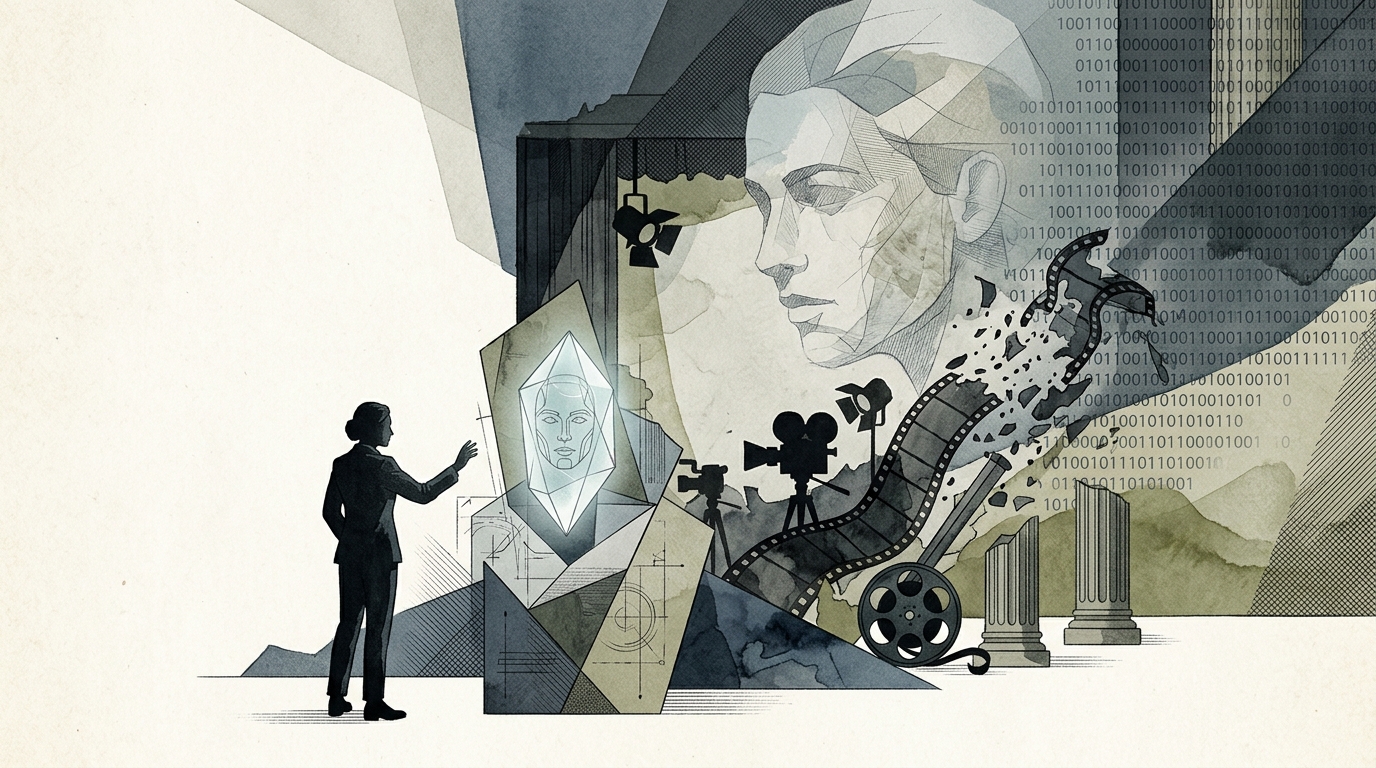
Blunt's primary objection, shared by many of her peers, lies in the belief that acting is an act of empathy and connection. When an actor stands before the camera, they bring with them their experiences, traumas, and joys. Artificial intelligence, by contrast, operates through the statistical analysis of billions of data points. It can mimic an expression, but it cannot "feel" it.
"There is something eerie about the idea that my voice or my face could be used without my soul," the actress has stated in previous interviews, highlighting the danger of deepfakes.
By 2026, technology has advanced to such a degree that creating digital "twins" is now feasible at a minimal cost. This creates an existential threat for emerging actors, who may see their opportunities limited by digital models that don't tire, don't ask for raises, and have no ethical qualms about the content they participate in.
The Legacy of the Strikes and the Legal Vacuum
Despite the agreements reached following the major SAG-AFTRA strikes in 2023, the reality on the ground remains complex. Major production companies continue to push for the use of AI in background roles and visual effects, often with clauses that are opaque to artists. Blunt points out that the protection of "digital identity" must be considered a fundamental human right.
- The need for explicit consent for every use of a digital likeness.
- Fair compensation for the use of data that trains AI models.
- Transparency for the audience: viewers must know when what they are seeing is a product of AI.
The actress's concern also reflects a broader social distrust. In a world flooded with misinformation, art has always been the sanctuary of truth. If art itself becomes a product of "mechanical production," then we risk losing our compass as a society.
The Uncanny Valley and Viewer Psychology
There is a psychological term called the "Uncanny Valley," which describes the aversion people feel when they see something that looks almost, but not quite, human. Blunt argues that the excessive use of AI in cinema leads to a "cold" aesthetic that alienates the audience.
The cinematic experience is based on identification. When the viewer knows that the tear they see on screen is the result of an algorithm rather than a human moment, the emotional investment collapses. This "void" is what Blunt fears: a world where entertainment is perfectly manufactured but entirely devoid of substance.
Conclusion: Technology in Service of Humans, Not the Reverse
Emily Blunt's stance is not an attempt to stop progress, but a call for responsibility. Artificial intelligence can offer amazing tools to creators – from restoring old films to assisting in scriptwriting – but it must never replace the human element. The conversation she initiates is critical: What kind of culture do we want to inherit? One that celebrates human imperfection, or one that hides it behind flawless but soulless pixels?