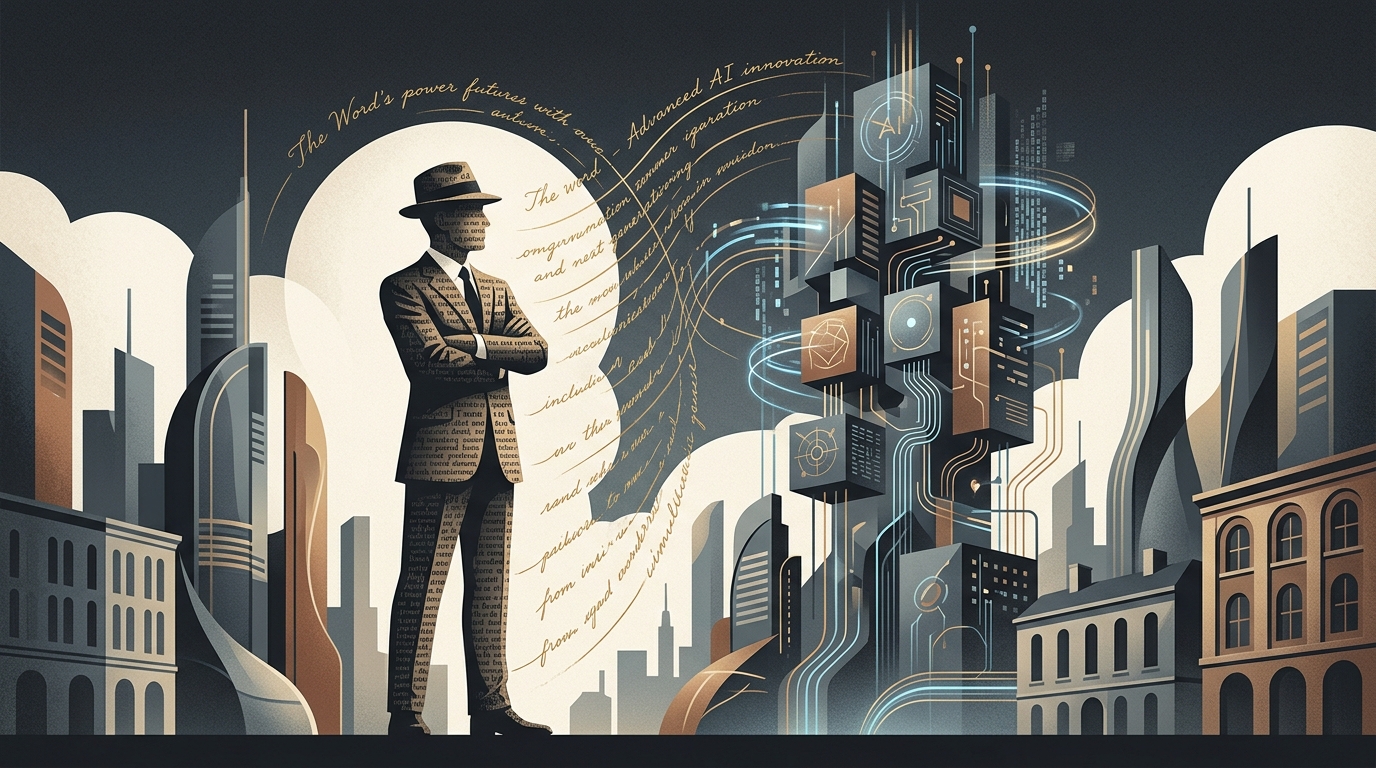
In an era where Artificial Intelligence (AI) is no longer a science fiction trope but a daily reality, Jay Casbon, through his insightful contributions to Noozhawk, poses some of the most pressing questions of our decade. How will the algorithmic revolution reshape our spiritual lives? Can a machine possess moral authority? And what role do local communities, like Santa Barbara, play in shaping a human-centric future?
Pope Leo XIV as a Symbol of Ethical Transition
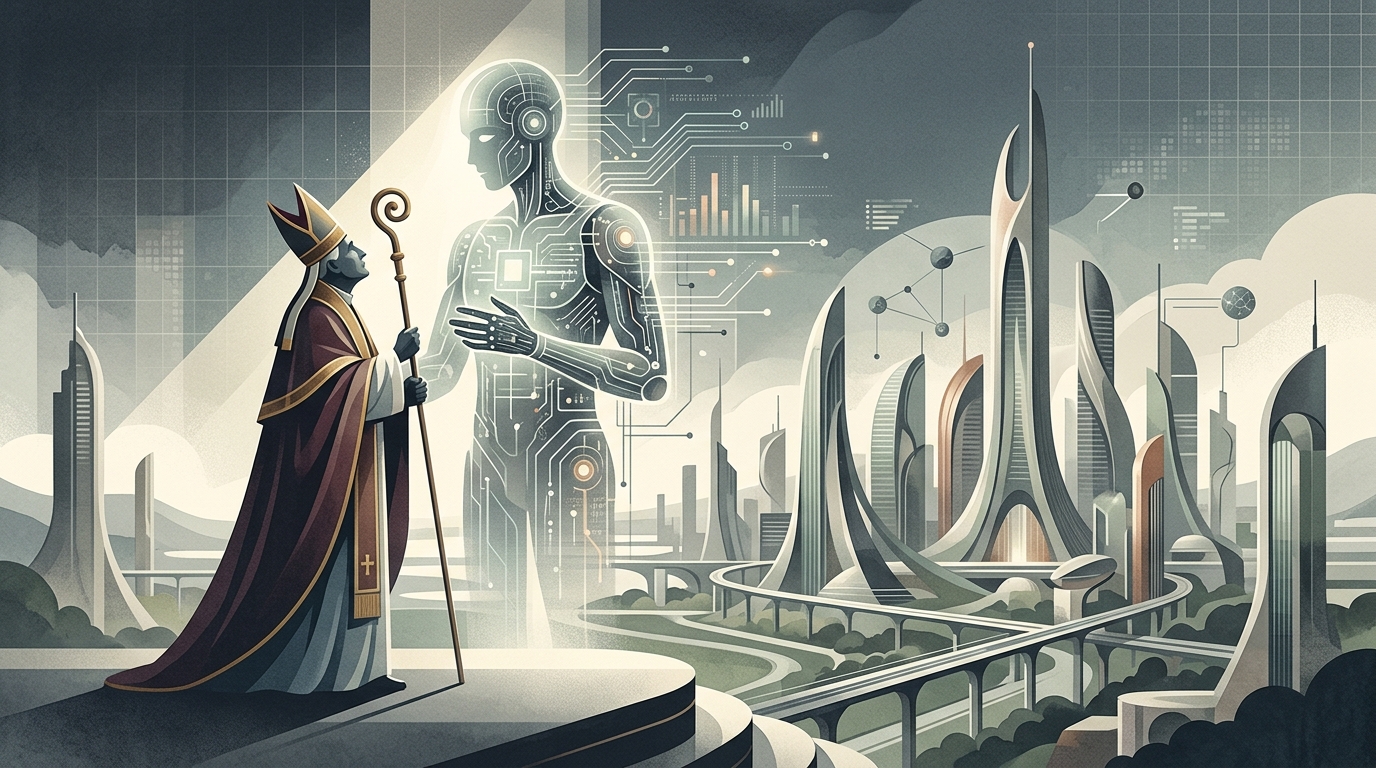
Casbon utilizes the character of Pope Leo XIV—a fictional yet hauntingly relevant figure—to explore the collision between tradition and technological acceleration. In his vision, the Pope is not merely a religious leader but a moral mediator in a world governed by data. The choice of the name "Leo" historically references Popes who confronted major social shifts, such as the Industrial Revolution. Today, the challenge is ontological: if AI can simulate empathy, what remains of the human soul?
This discussion is far from academic. As early as 2024, the Vatican initiated the "Rome Call for AI Ethics," attempting to lay the groundwork for "algorethics." Casbon pushes this logic further, wondering if an AI could ever offer "absolution" or spiritual guidance. The answer emerging from his analysis is a stern warning: technology can organize information, but only human experience can birth wisdom.
Santa Barbara: A Laboratory for Tomorrow
Translating his analysis to the local level, Casbon examines how Santa Barbara can serve as a blueprint for integrating AI into the community. The city, known for its rich history and spiritual tradition, stands at a crossroads. While AI promises to solve urban management issues—from water conservation to fire prevention—Casbon sounds the alarm regarding the loss of social cohesion.
- The automation of local services and the risk of citizen alienation.
- The need for "digital sanctuaries"—spaces where technology is prohibited to protect human interaction.
- The role of education in fostering critical thinking against algorithmic bias.
Casbon argues that Santa Barbara’s future depends on its ability to remain "human" amidst an ocean of automation. He proposes the creation of local ethics boards to oversee AI implementation, ensuring that technology serves humanity and not the other way around.
The AI Challenge to Spirituality
Perhaps the most provocative point in Casbon’s thought is the idea that AI could act as a mirror to our own flaws. If we feed machines our biases, we will create a "digital god" that reproduces the injustices of the past. Pope Leo XIV in his work acts as the voice demanding "humility" from the creators of algorithms.
"Technology is a tool, but the intent is either divine or demonic," Casbon notes, emphasizing that moral responsibility can never be outsourced to code.
In conclusion, Jay Casbon’s analysis invites us not to be passive recipients of progress. Whether it is the future of religion under the leadership of a future Pope or the daily life in a California coastal city, the key remains the preservation of the human essence. AI may be our companion, but we must be the ones holding the map.