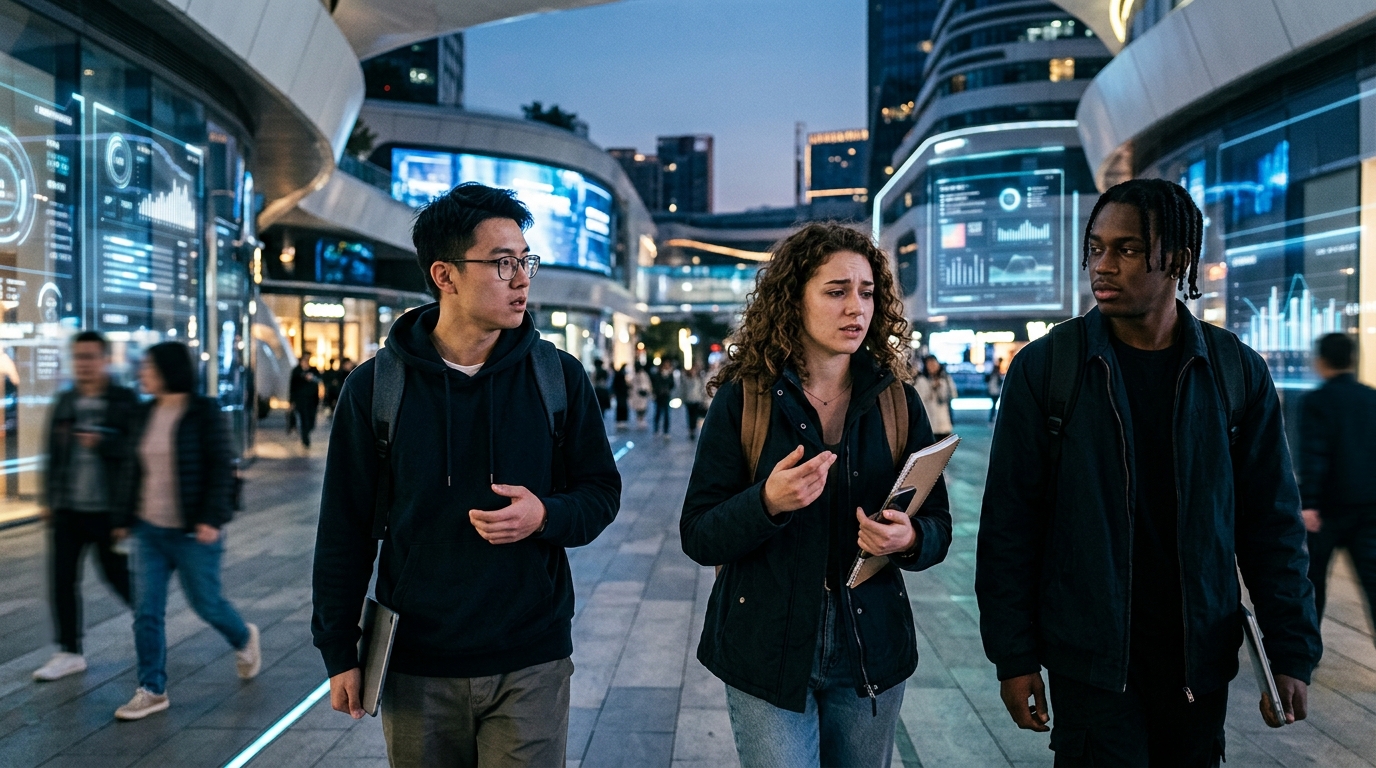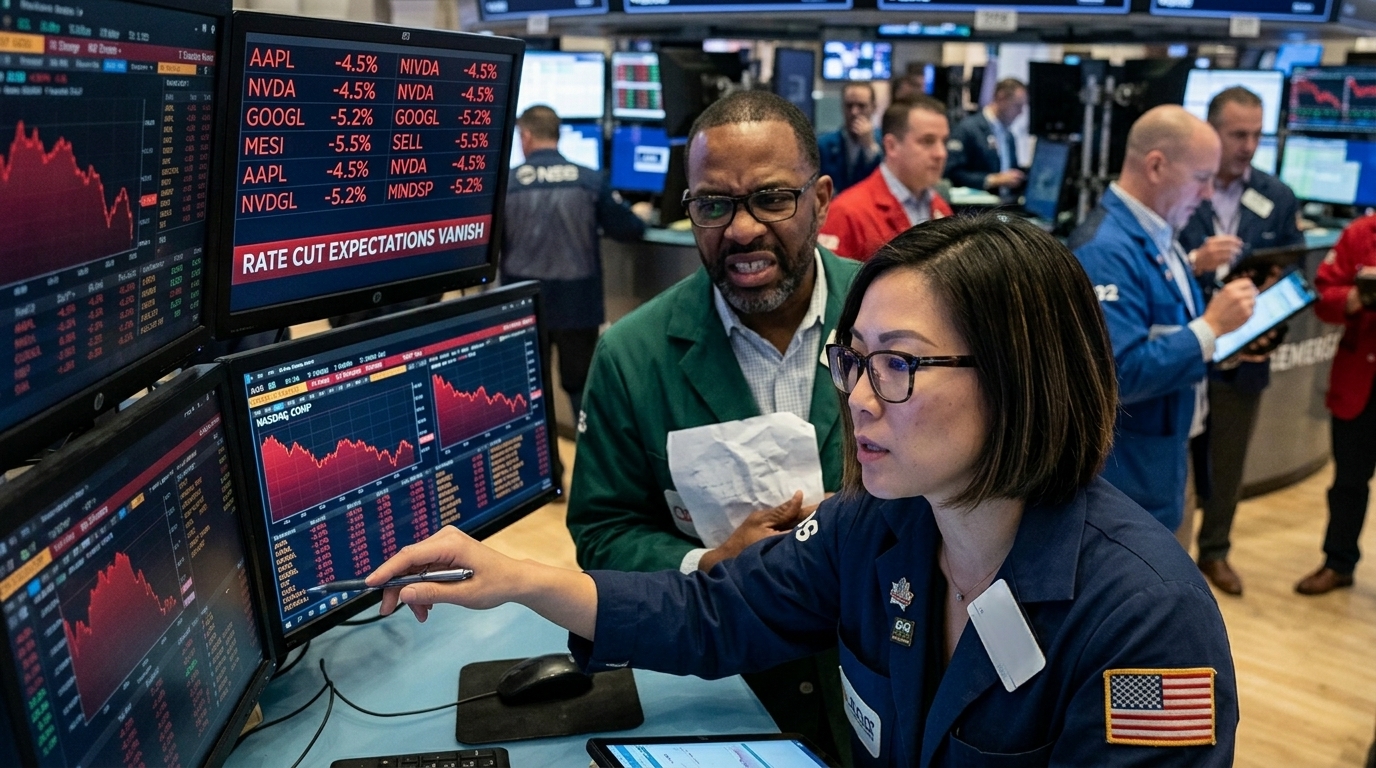
As we navigate the latter half of the 2020s, the intersection of Artificial Intelligence (AI) and e-commerce is no longer a futuristic promise but a dominant, present reality. According to recent market analyses, the AI e-commerce sector is poised for unprecedented growth through 2033, fundamentally transforming how consumers discover, evaluate, and purchase goods.
The driving force behind this surge is not merely automation, but the ability of algorithms to understand human intent at a depth previously thought impossible. Companies like Amazon, Google, and Salesforce are leading this race, investing billions into infrastructure that turns raw data into hyper-personalized shopping experiences.
The Shift Toward Hyper-Personalization
The era of generic "you might also like" recommendations is coming to an end. The new generation of AI, powered by Large Language Models (LLMs) and multimodal intelligence, allows retailers to create "digital concierges." These assistants do not wait for a user to search with keywords; instead, they predict needs based on context, mood, and behavioral history.
- Dynamic Pricing: Algorithms adjust prices in real-time, considering demand, inventory levels, and competitor movements.
- Virtual Try-on: Augmented Reality (AR) combined with generative AI enables consumers to see how clothes or furniture fit in their lives with absolute precision.
- Predictive Logistics: Amazon is already deploying models that predict what a customer in a specific region will buy, moving inventory to nearby hubs before an order is even placed.
"We are no longer just selling products; we are selling the elimination of friction in the buying decision," says a retail strategy executive.
Key Players and Their Strategic Moves
Amazon remains the undisputed leader, having integrated AI into every facet of its operations—from warehouse robotics to its Rufus shopping assistant. Google, conversely, leverages its search dominance to turn every query into a shopping opportunity via Search Generative Experience (SGE), making the transition from "information seeking" to "transaction execution" seamless.
Salesforce, with its Einstein platform, targets B2B and B2C enterprises, providing tools that allow even smaller players to access Fortune 500-level analytics. The democratization of these tools is critical, as the market moves toward a model where the absence of AI will be synonymous with business obsolescence.
Challenges and Ethical Dilemmas
Despite the optimistic growth projections, the path to 2033 is not without hurdles. Data privacy remains the central issue. As AI requires more personal data to function effectively, the friction with regulations like Europe's GDPR or the evolving AI Act becomes more pronounced.
Furthermore, there is the looming threat of an oligopoly. If only Big Tech firms possess the computational power to run the most sophisticated models, small and medium enterprises (SMEs) might find themselves at a disadvantage, forced to pay high "rents" to tech giants to remain competitive.
Conclusion: The Future of Autonomous Commerce
By 2033, e-commerce will likely be largely "autonomous." Algorithms won't just assist in buying; they will manage household replenishment automatically, negotiating prices with other seller algorithms. The challenge for humanity will be to maintain oversight over a system designed to maximize consumption, ensuring that technology serves human well-being and not just the bottom line.